
Apartment Cleanout Dumpster Guide for NY Property Managers
Why Is Summer the Worst Time for a Tenant to Leave a Mess Behind? (Apartment Cleanout Dumpster Basics)
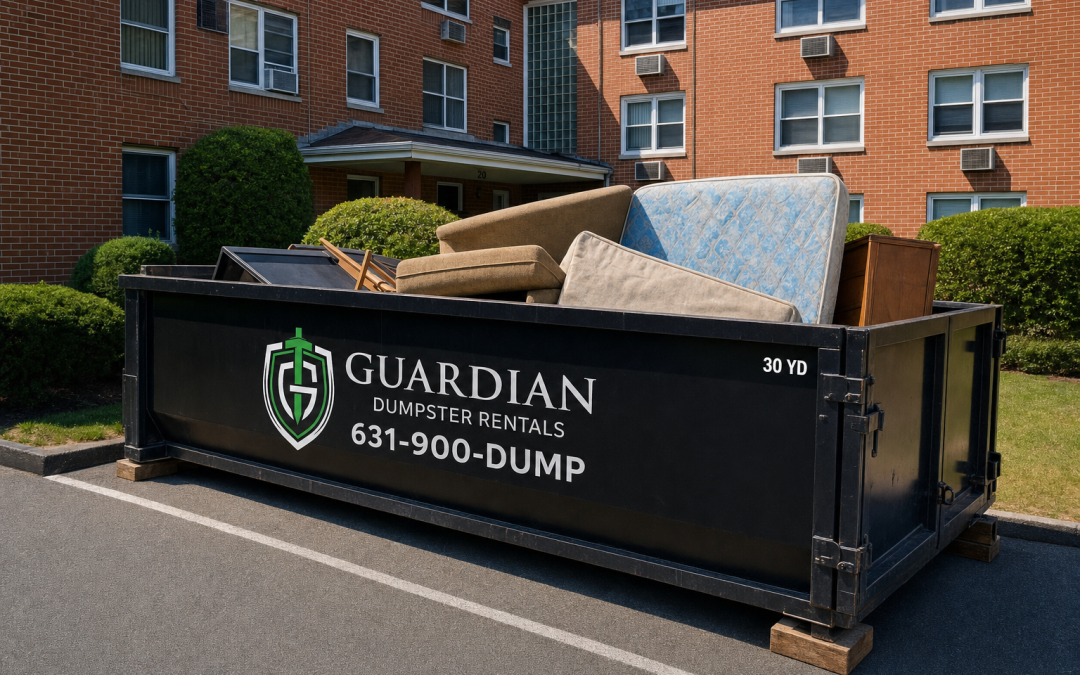
An apartment cleanout dumpster is the fastest way to handle a trashed unit in summer, when NY lease turnovers peak and heat turns abandoned food, mattresses, and bagged garbage into an odor and pest problem within days. With re-rental windows measured in days, not weeks, one properly sized dumpster on-site keeps the cleanout moving.
Key takeaways
- A 30 yard dumpster holds roughly 9-12 pickup truck loads, making it the go-to size for clearing multiple apartments in one rental.
- Booking a weekend delivery lets property managers complete an entire building cleanout without disrupting weekday tenant traffic.
- New York property managers should confirm placement permits early, since a dumpster on a public street or sidewalk typically requires city approval.
- Sorting furniture, mattresses, and prohibited items like appliances with refrigerant before loading prevents overage fees and rejected loads.
- One 30 yard container often replaces multiple junk-hauling trips, keeping unit turnover on schedule and re-rental downtime short.
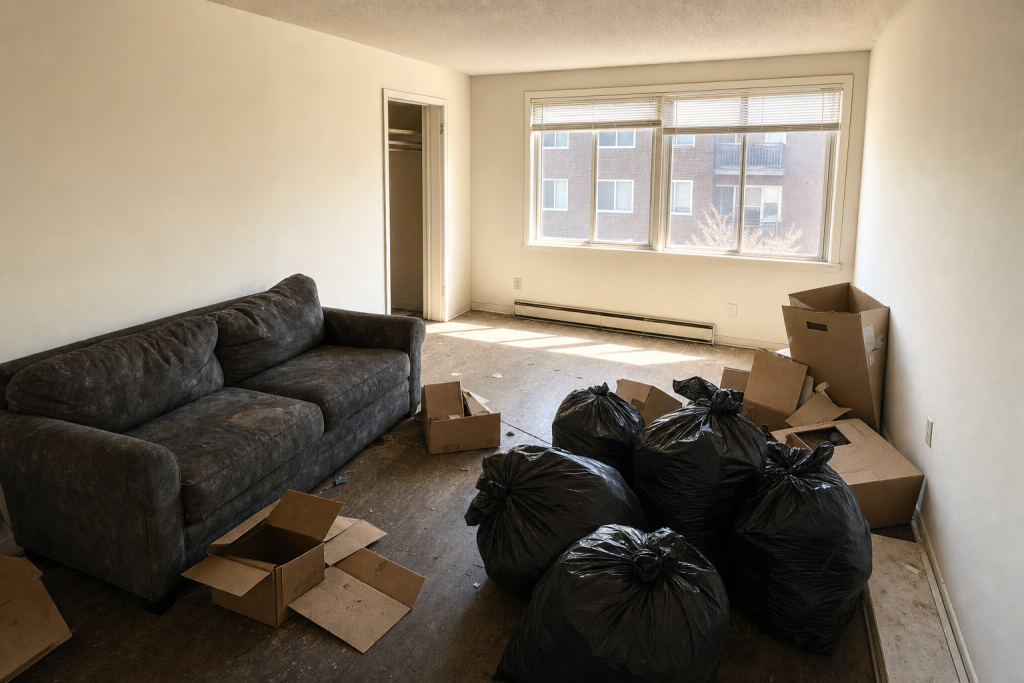
Ask any New York property manager when tenants leave the worst messes behind, and most will point to the stretch between Memorial Day and Labor Day. Leases in New York overwhelmingly end in the summer months — students move out, families relocate before the school year, and seasonal renters churn through units. That means the highest volume of move-outs collides with the worst possible conditions for dealing with whatever gets left behind.
Heat and Humidity Turn a Mess Into a Health Hazard
A unit full of abandoned belongings in January is an inconvenience. The same unit in July is a genuine problem. High temperatures and humidity accelerate everything you don’t want happening inside a vacant apartment:
- Odors intensify fast. Food left in an unplugged refrigerator or bagged kitchen trash can make an entire hallway unpleasant within a day or two.
- Pests move in quickly. Flies, roaches, and rodents are most active in warm weather, and a unit full of debris is an open invitation — one that can spread to occupied apartments.
- Soft goods absorb the damage. Mattresses, couches, and carpet hold moisture and smells, making them harder to remove cleanly the longer they sit.
The Re-Rental Clock Is Shorter in Summer
Summer is also when rental demand is strongest, which cuts both ways. Prospective tenants are actively looking, but they expect quick move-in dates. Every day a unit sits full of a former tenant’s abandoned furniture is a day of lost rent during your best leasing season. Managers who rely on curbside pickup or multiple truck runs to a transfer station often burn a full week just hauling debris — time that should go toward painting, repairs, and showings.
The Quick Fix: One Dumpster, One Plan
The managers who turn units around fastest treat the cleanout like a small project: assess the volume, order one right-sized container before the tenant’s last day if possible, and have it dropped as close to the building entrance as regulations allow. For single-unit messes and smaller buildings, a residential dumpster rental in Babylon or a comparable local container is often all it takes to clear everything in a single day instead of a week of piecemeal hauling.
The rest of this guide walks through sizing, loading strategy, prohibited items, pricing, and how to schedule around summer storms — everything you need to keep turnover season on track.
What Size Apartment Cleanout Dumpster Do You Need for a Full Building Turnover?
For a full building turnover, a 30 yard apartment cleanout dumpster is the standard choice, handling debris from roughly three to five units in one container. A 10 yard bin suits a single studio or one-bedroom cleanout, while a 20 yard works for one larger unit or two smaller ones.
The right size comes down to two things: how many units you’re clearing and what tenants actually left behind. Bagged household trash compacts well, but furniture, mattresses, and appliances eat up volume fast because of their awkward shapes. A single abandoned sectional sofa can take up several cubic yards on its own, which is why unit count alone can be misleading.
10 Yard Dumpster: Single-Unit Cleanouts
A 10 yard container holds roughly three pickup truck loads of debris. It’s the right fit when:
- One studio or one-bedroom unit needs clearing
- The tenant left mostly bagged trash, small furniture, and boxes
- You’re working in a tight driveway or alley where a larger container won’t fit
20 Yard Dumpster: One Heavy Unit or Two Light Ones
The 20 yard is the middle ground for property managers. It handles a fully furnished two- or three-bedroom apartment — think mattresses, dressers, a couch, and kitchen items — or two lightly cluttered smaller units. It’s also a smart pick when a single tenant was a heavy accumulator and you know bagged trash will stack floor to ceiling.
30 Yard Dumpster: The Multi-Unit Workhorse
When you’re turning over an entire building or several units at once, the 30 yard container is what most crews load. Its high sidewalls swallow bulky items that waste space in smaller bins:
- Furniture: couches, bed frames, tables, and shelving units that can’t be broken down quickly
- Mattresses and box springs: typically one to two per unit, and they don’t compress
- Appliances: abandoned mini-fridges, microwaves, and window AC units (confirm acceptance with your hauler, since refrigerants require special handling)
- Bagged trash and carpet: the filler that packs around larger items
One 30 yard container per three to five units is a reliable planning ratio. For larger buildings, many managers schedule a swap-out — the hauler picks up the full container and drops an empty one — rather than crowding the property with multiple bins. If your buildings are in western Suffolk County, a 30 yard dumpster rental in Babylon is the size most turnover crews request for exactly this reason.
Quick Sizing Rule of Thumb
- 1 unit, light debris: 10 yard
- 1 furnished unit or 2 light units: 20 yard
- 3–5 units or a full floor: 30 yard
- Whole building: 30 yard with scheduled swap-outs
When in doubt, size up. The price difference between container sizes is almost always smaller than the cost of a second delivery when an undersized bin fills up on day one.
How Do NY Property Managers Clear an Entire Building in One Weekend?
Property managers clear a full building in a weekend by staging the dumpster as close to the main exit as possible, working from the top floor down, sorting keep, donate, and toss items on the spot, and splitting the crew into dedicated haulers and loaders so the dumpster never sits idle and hallways never back up.
The difference between a smooth two-day turnover and a chaotic week-long slog usually comes down to planning, not manpower. Here is the game plan that keeps everything moving.
Step 1: Stage the Dumpster Before Anyone Lifts a Box
Placement is half the battle. Position the apartment cleanout dumpster as close to the busiest exit as your lot, alley, or curb permit allows, with the loading door facing the building. Every extra ten feet of carrying distance adds up fast when a crew makes hundreds of trips. Lay down plywood or protective boards if the container sits on a driveway or courtyard surface, and confirm the delivery happens the day before your crew arrives, not the morning of.
Step 2: Work Top Floors Down
Always start on the highest floor and move downward. This keeps traffic flowing in one direction, prevents crews from tracking debris through already-cleared units, and means the heaviest late-day loads travel the shortest distance. Prop stairwell doors (where fire code allows), pad elevator walls if you have one, and designate a single “down” route so people carrying loads never collide with people heading back up.
Step 3: Sort Keep, Donate, and Toss in Each Room
Decisions made once are decisions made fast. In every unit, set up three zones near the door:
- Keep: anything belonging to the building — appliances, fixtures, hardware, or items a departing tenant has a legal right to reclaim under your lease terms and local rules.
- Donate: clean furniture, working small appliances, and usable household goods staged in one ground-floor room for a charity pickup.
- Toss: everything else, bagged or broken down and carried straight out — no second handling.
The rule is simple: touch each item once. If a piece gets picked up, it should leave the room with a destination already decided.
Step 4: Split the Crew So Loading Never Bottlenecks
A common mistake is having everyone carry items all the way to the container. Instead, assign roles:
- Room crews empty units and move debris to the stairwell or hallway staging point.
- Runners shuttle loads from staging points down to the exit.
- One or two loaders own the dumpster, stacking flat items first, breaking down furniture, and filling gaps so you use every cubic yard.
A well-packed container can hold noticeably more than a randomly tossed one, which can be the difference between finishing with one dumpster or scrambling for a second on a Sunday. Rotate roles every couple of hours to keep the crew fresh, and schedule a short walkthrough of every unit before the container leaves — nothing stalls a turnover like discovering a forgotten closet after the haul-away.
What Can and Can’t Go in an Apartment Cleanout Dumpster?
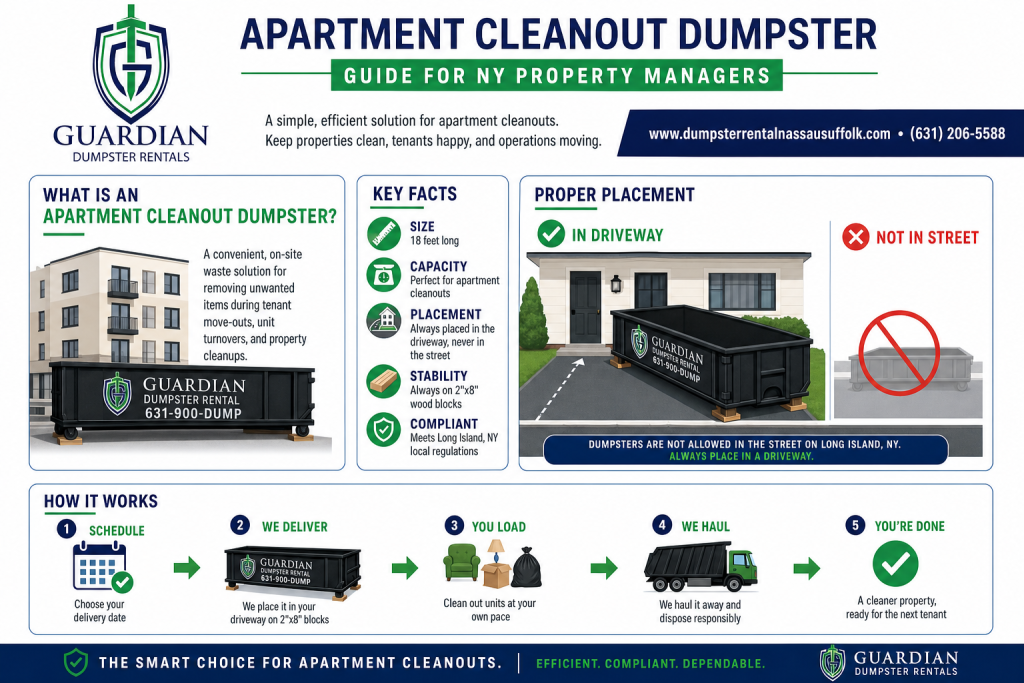
An apartment cleanout dumpster can take furniture, mattresses, carpet, boxes, general household junk, and most appliances. It cannot take brick, concrete, dirt, yard waste, or hazardous materials like paint, refrigerants, and electronics — items that either exceed weight limits or fall under New York’s special disposal rules.
Knowing the difference before the haul-away starts saves you from two expensive headaches: contamination fees when a prohibited item turns up at the transfer station, and overage charges when heavy debris pushes the load past its weight allowance. Here’s how to sort a typical tenant cleanout.
Items That Are Fine to Toss
The bulk of what tenants leave behind is exactly what a cleanout dumpster is designed for:
- Furniture — couches, dressers, bed frames, tables, and chairs, broken or intact
- Mattresses and box springs — usually accepted, though some haulers charge a per-mattress fee, so ask when you book
- Carpet and padding — roll it and cut it into manageable sections so it loads flat and doesn’t eat vertical space
- Boxes, clothing, and household junk — the miscellaneous piles that fill closets and storage areas
- Most appliances — stoves, dishwashers, microwaves, and washers or dryers, provided refrigerant-bearing units are handled separately (more on that below)
Heavy Debris That Stays Out
These materials aren’t hazardous, but they’re dense enough to blow through a dumpster’s weight limit fast — and most haulers route them to different facilities:
- Brick, concrete, and masonry
- Dirt, sand, and gravel
- Yard waste like branches, leaves, and sod
If a unit turnover involves demolition or landscaping debris, ask your hauler about a dedicated heavy-debris container instead of mixing materials.
Hazardous Items With Special Rules in New York
New York regulates several common leave-behinds, and putting them in the dumpster can mean rejected loads or fines:
- Paint, stains, and solvents — liquid paint is prohibited. New York participates in the PaintCare program, which offers drop-off sites for leftover architectural paint.
- Refrigerators, freezers, and air conditioners — refrigerants must be professionally removed and the unit tagged before disposal. Never toss an untagged fridge in the container.
- E-waste — TVs, computers, monitors, and similar electronics are banned from New York landfills and must go through a certified recycler or manufacturer take-back program.
- Other hazards — propane tanks, car batteries, tires, motor oil, and household chemicals all require separate disposal channels.
A practical habit for property managers: do a quick walkthrough of each unit and flag prohibited items before the crew starts loading. Setting aside one corner of a vacant unit for “special handling” items keeps the dumpster clean and the project on schedule.
How Much Does a 30 Yard Apartment Cleanout Dumpster Rental Cost in NY?
In New York, a 30 yard dumpster rental for an apartment cleanout typically lands in the several-hundred-dollar range, with most quotes covering delivery, pickup, a set rental period, and a weight allowance. Your final price depends on your location, how long you keep the container, how heavy your debris is, and any overage or extension fees.
Because pricing varies significantly between upstate markets and the five boroughs, the smartest move is to get a flat-rate quote in writing and understand exactly what it includes before the container arrives. Here’s what actually drives the number.
The Four Factors That Determine Your Final Price
- Rental period: Most quotes include a standard window, often around a week to two weeks. Apartment turnovers usually fit comfortably inside that window, but if your crew falls behind, daily extension fees add up. Ask what each extra day costs before you book.
- Weight allowance: A 30 yard container comes with a tonnage limit built into the flat rate. Furniture, mattresses, and bagged household items are bulky but relatively light, so most apartment cleanouts stay under the cap. Where managers get surprised is when tenants leave behind books, tile, or boxed paper records, which are far denser than they look.
- Overage fees: If you exceed the included tonnage, you’ll pay a per-ton overage charge at disposal. This is the most common source of surprise costs, so ask for the per-ton rate up front and estimate conservatively.
- Location and access: Delivery distance from the hauler’s yard, local disposal facility rates, and any permit requirements for street placement all shift the price. Placing the container on your own lot or driveway avoids permit costs entirely.
Why One 30 Yard Container Beats Multiple Small Hauls
Some property managers try to save money with a couple of 10 yard containers or repeated curbside bulk pickups. On a full apartment cleanout, that math almost never works in your favor:
- You pay delivery and pickup fees twice (or more). Two small containers mean two sets of haul charges, which usually erases any savings on the containers themselves.
- Swap-outs kill your timeline. When a small dumpster fills up mid-cleanout, your crew stands around waiting for the swap. One 30 yard apartment cleanout dumpster keeps everyone working straight through.
- Curbside pickups can’t handle the volume. Municipal bulk pickup rules limit item counts and often exclude mattresses, furniture with certain materials, or construction debris, forcing you to stagger the cleanout across multiple collection days.
- Per-yard cost drops as size goes up. A 30 yard container almost always costs less per cubic yard than smaller sizes, so you’re paying less for each unit of debris you remove.
When you compare total cost against total turnaround time, a single 30 yard rental is usually the cheapest and fastest path to a rent-ready unit.
How Do You Schedule Around Summer Storms and Tight Turnover Deadlines?
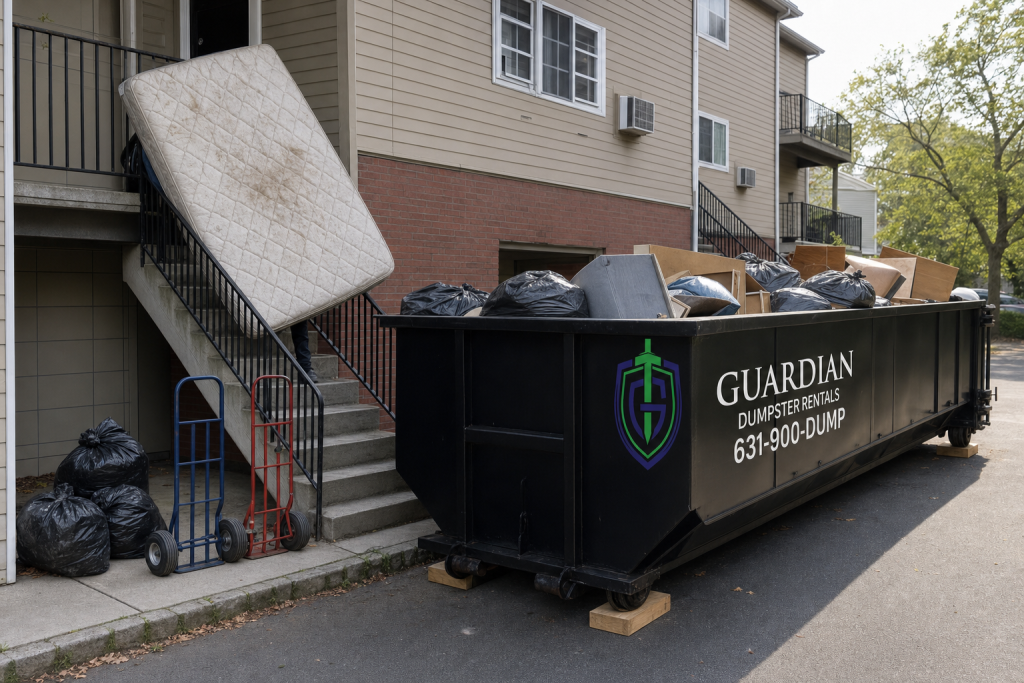
Book your dumpster delivery for Thursday or Friday so the container is on-site before weekend crews arrive, tarp the load nightly to keep rainwater from adding billable weight, confirm any street-placement permits days in advance, and schedule pickup for the day before new tenants move in so the driveway or loading area is clear.
Summer turnovers in New York run on a brutal clock: leases end, storms roll through on short notice, and the next tenant is often moving in within days. The property managers who handle it smoothly treat the dumpster schedule as part of the turnover plan, not an afterthought.
Book Delivery Before the Weekend Rush
Most apartment cleanouts happen Saturday and Sunday, which means delivery trucks are slammed on Friday. Request a Thursday or early Friday drop-off so a delayed truck doesn’t cost you a full day of labor. If your crew starts at 7 a.m. Saturday, an apartment cleanout dumpster sitting empty overnight is far cheaper than a crew standing around waiting for one.
Tarp the Load Before Thunderstorms Hit
An open dumpster full of mattresses, carpet, and upholstered furniture acts like a sponge. A sudden downpour can add hundreds of pounds of water weight, and since most rentals bill overages by the ton at the scale, you end up paying for rain. Simple habits prevent it:
- Keep an inexpensive heavy-duty tarp and bungee cords on-site from day one.
- Cover the load every night and any time the crew leaves the property.
- Check the short-term forecast each morning at the National Weather Service so you can pause loading absorbent items before a storm cell arrives.
If lightning is in the area, get crews inside — the NWS publishes clear thunderstorm safety guidance worth sharing with your maintenance team.
Avoid Street-Permit Surprises
If the container can’t fit on your property and has to sit on a public street, most New York municipalities require a permit before placement — in New York City, street occupancy falls under the NYC Department of Transportation permit process. Permits are rarely same-day, so confirm requirements with your hauler and local authority when you book, not when the truck shows up. Placing a dumpster on your own lot or driveway usually avoids the issue entirely.
Lock In Pickup Before Move-In Day
The most common turnover mistake is leaving pickup open-ended. Schedule removal for the day before new tenants arrive, and call to confirm it the day prior. That guarantees:
- The driveway or loading zone is clear for the moving truck.
- New tenants don’t get a first impression of a trash-filled container.
- You aren’t paying extra daily rental fees on a dumpster you’re done with.
Build these four checkpoints — early delivery, nightly tarping, permit confirmation, and a locked pickup date — into your standard turnover checklist and summer storms stop being a scheduling threat.
Roughly 9-12 pickup truck loads of debris
30 Yard Capacity
7-10 days standard, weekend turnarounds available
Typical Rental Period
Often 3-5 tons included before overage fees
Common Weight Allowance
Usually requires a municipal permit; private lots typically do not
Street Placement in NY
Apartment Cleanout Dumpster Size Comparison for NY Property Managers
| Dumpster Size | Approx. Capacity | Best For | Typical Footprint |
|---|---|---|---|
| 10 Yard | 3-4 pickup loads | Single studio or 1-bedroom cleanout | ~14 ft long, fits in one parking space |
| 20 Yard | 6-8 pickup loads | 1-3 apartment units or heavy furniture removal | ~16-18 ft long, driveway friendly |
| 30 Yard | 9-12 pickup loads | Whole-floor or multi-unit building turnover | ~22 ft long, needs clear curb or lot space |
Hypothetical Scenario: A Four-Unit Turnover in One Weekend
Illustrative example
Consider a composite example: a property manager overseeing a small multi-family building in upstate New York inherits two vacated units full of abandoned furniture, plus two more units due for turnover. Instead of scheduling repeated junk-hauling trips, she orders a 30 yard apartment cleanout dumpster for Friday delivery, placed in the building’s private lot to avoid street permit requirements. Over Saturday and Sunday, her maintenance crew clears all four units, sorting out mattresses and appliances per the hauler’s guidelines. The container is picked up Monday morning, and painting and re-rental prep begin the same week, keeping vacancy downtime to a minimum. This illustrative scenario reflects a common workflow rather than a specific client engagement.
Frequently asked questions
How much does an apartment cleanout dumpster cost in New York?
Pricing varies by county, rental length, and weight allowance, but most 30 yard dumpster rentals in New York run several hundred dollars for a standard rental period, with overage fees if you exceed the included tonnage. Get a quote that spells out the weight limit, rental days, and per-ton overage rate before booking so a heavy cleanout doesn’t blow your budget. Multi-unit cleanouts sometimes qualify for volume or repeat-customer pricing, so ask.
Is a 30 yard dumpster big enough to clean out a whole apartment building?
A 30 yard container typically handles the contents of several apartments, depending on how much each tenant left behind. Furniture, mattresses, and boxed junk fill space quickly, so a full building cleanout may need one swap-out or a second container. If you’re unsure, describe the number of units and what’s inside to your hauler — they can recommend one large container versus two smaller ones based on your property’s layout and volume.
Can I really finish an apartment cleanout in one weekend?
Yes, if you plan it. Schedule delivery for Friday, line up your crew in advance, and work unit by unit rather than sorting items in the apartments. Carry everything straight to the dumpster and load heavy, flat items first to maximize space. The biggest time-killers are unplanned sorting, undersized crews, and waiting on a second container — so confirm swap-out availability with your hauler before the weekend starts.
What am I not allowed to throw in a dumpster after a tenant moves out?
Haulers typically prohibit hazardous materials like paint, chemicals, motor oil, propane tanks, batteries, and tires. Appliances containing refrigerant, such as refrigerators and air conditioners, usually need special handling, and electronics are restricted in New York under state e-waste rules. Mattresses may carry an extra fee with some haulers. Ask for your provider’s prohibited items list up front, because banned items left in the container can trigger extra charges.
Do I need a permit to put a dumpster at my apartment building in NY?
If the dumpster sits entirely on your private property, such as a parking lot or driveway, you generally don’t need a permit. If it must go on a public street or sidewalk, most New York municipalities require a street occupancy permit from the city or town. Rules and fees vary by municipality, so check with your local buildings or transportation department before delivery — placing it curbside without a permit can mean fines.
Can I legally throw away belongings a tenant left behind in New York?
Be careful here. New York has rules around abandoned tenant property, and disposing of belongings too quickly can expose you to liability, especially if the tenancy ended in dispute or eviction. Document everything with photos, confirm the tenant has legally surrendered or vacated the unit, and follow any notice requirements before discarding items. When in doubt, consult your attorney first — a dumpster rental is easy to reschedule; a wrongful disposal claim is not.
What happens if my apartment cleanout dumpster goes over the weight limit?
You’ll be charged an overage fee, usually billed per ton over your included allowance after the load is weighed at the disposal facility. Apartment cleanouts get heavy fast with items like dressers, appliances, and books, so ask what tonnage is included and what the overage rate is before you book. If you expect a dense load, it’s often cheaper to negotiate a higher weight allowance up front than to pay surprise overages later.
Should I rent a dumpster or hire a junk removal company for an apartment turnover?
It depends on labor. Junk removal crews load everything for you and charge by volume, which works for one or two units when you have no staff available. A dumpster rental costs less per cubic yard for large volumes but requires your own crew to load it. For a multi-unit building cleanout, a 30 yard dumpster plus your maintenance team is usually the more economical route — junk removal pricing scales up quickly at that volume.
How should I load a dumpster so everything from the cleanout actually fits?
Break down furniture whenever possible — remove table legs, flatten bed frames, and disassemble shelving. Load flat, heavy items like doors, mattresses, and dressers on the bottom, then fill gaps with bagged items and loose junk. Don’t toss things in randomly; walk items in through the swing door and stack deliberately. Never load above the container’s fill line, since haulers can refuse pickup or charge extra for overfilled dumpsters.
What are the biggest mistakes property managers make with building cleanouts?
The common ones: ordering a dumpster that’s too small and paying for a second delivery, skipping documentation of abandoned property before tossing it, not checking the hauler’s prohibited items list, blocking fire lanes or tenant parking with the container placement, and underestimating labor so the rental period expires before loading finishes. Planning placement, crew size, and container size before delivery day prevents nearly all of these.
Related local pages
- Dumpster Rental Babylon New York
- Dumpster Rental Bay Shore New York
- Dumpster Rental Commack New York
Facing a messy tenant turnover? Reserve your 30 yard apartment cleanout dumpster today and get your NY units rent-ready by Monday. Get in touch.
Last updated: August 19, 2026
Recent Comments