
Attic Cleanout Dumpster Size: How to Estimate Right
What Attic Cleanout Dumpster Size Do Most NY Homes Need?
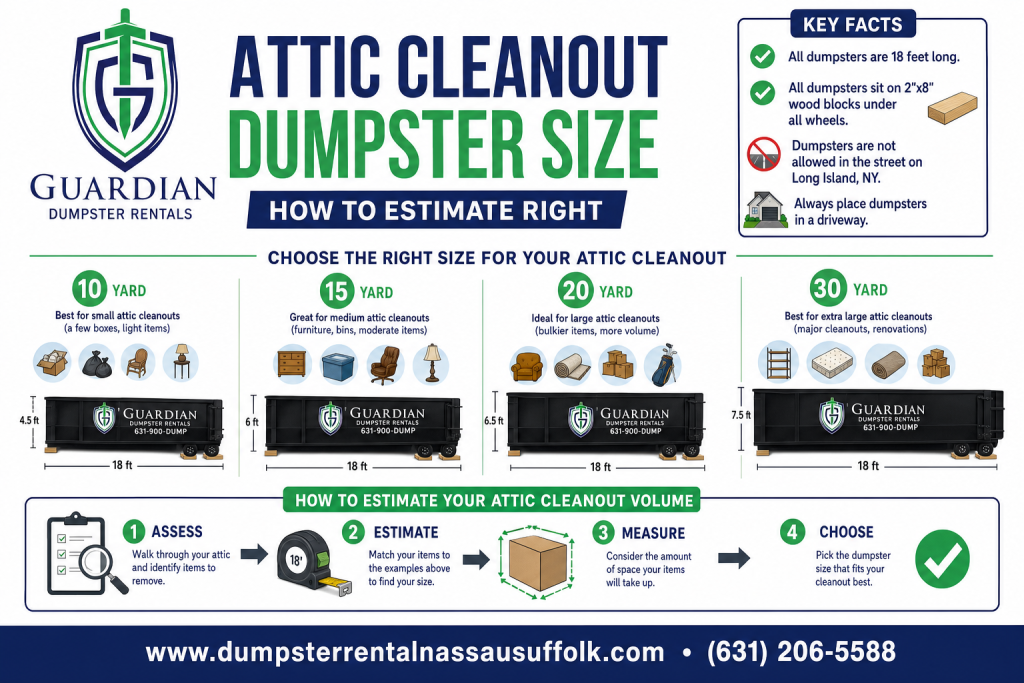
The right attic cleanout dumpster size for most New York homes is a 10 or 20 yard roll-off. Smaller attics with light-to-moderate clutter typically fit a 10 yard container, while attics packed wall-to-wall with decades of storage usually call for a 20 yard. Very few attic-only cleanouts require a 30 yard dumpster.
Key takeaways
- Most single-family attic cleanouts fit comfortably in a 10- or 15-yard dumpster.
- Estimate volume by counting boxes and bulky items first — attic junk is usually lighter but bulkier than it looks.
- Choose one size up if you have furniture, old insulation, or decades of accumulation, since overage fees often cost more than the larger rental.
- Insulation, and especially anything that might contain asbestos, may require special disposal — confirm with your dumpster provider before booking.
- Measure your driveway access before ordering; larger dumpsters need roughly 60 feet of clearance for drop-off.
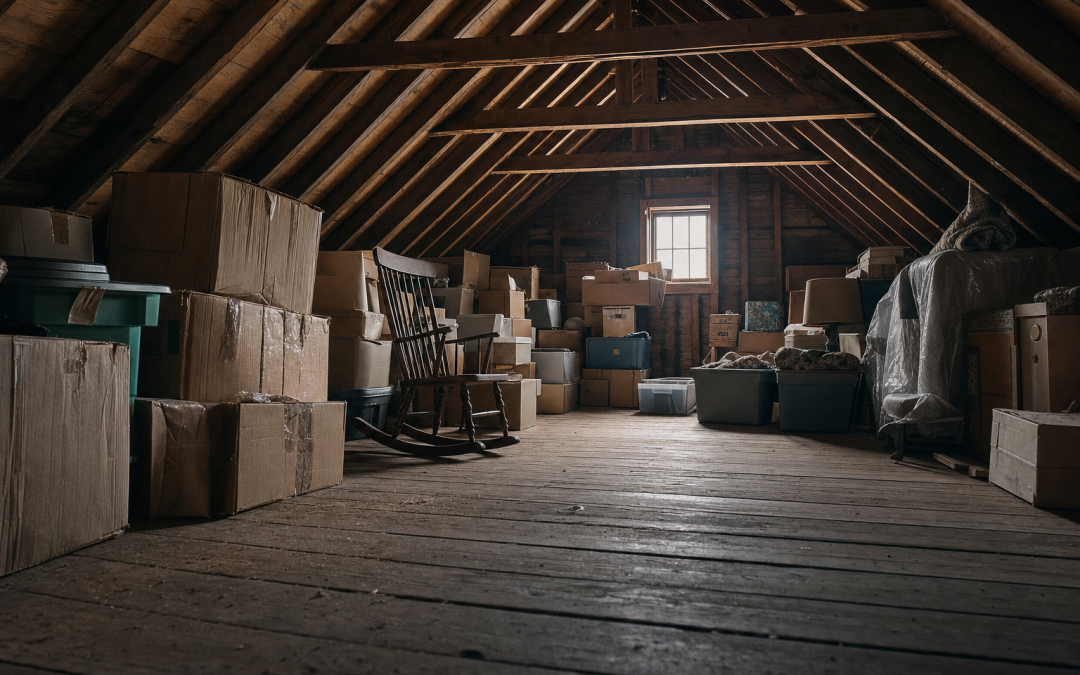
Attics are deceptive. They look small from the pull-down stairs, but once you start hauling out boxes, old furniture, holiday decorations, luggage, and forgotten insulation-covered odds and ends, the pile grows fast. The good news is that most attic contents are bulky rather than heavy, which means volume — not weight — is usually the deciding factor when you choose a container.
A Fast Rule of Thumb Based on Attic Size and Clutter Level
You can get a reliable ballpark estimate in about two minutes by combining your attic’s rough square footage with how packed it is:
- Small attic (under ~300 sq ft), lightly filled: a 10 yard dumpster is almost always enough.
- Small-to-medium attic, packed with boxes and furniture: a 10 yard may work, but a 20 yard removes the risk of running out of room.
- Medium-to-large attic (300–600+ sq ft), moderately to heavily filled: plan on a 20 yard.
- Full walk-up attic used as long-term storage for decades: a 20 yard is the safe call, and a 30 yard only makes sense if you’re clearing other areas of the house at the same time.
Another way to think about it: a 10 yard dumpster holds roughly three to four pickup truck loads of debris, and a 20 yard holds about twice that. If you can picture your attic contents stacked in truck beds, you’re most of the way to an answer. For a fuller breakdown of what fits in each container, see this guide to 10, 20, and 30 yard dumpster sizes and what fits in each.
Why It Pays to Estimate Before You Book
Ordering the wrong size cuts both ways. Go too small and you may need a second haul, which adds cost and delays the project. Go too large and you pay for empty space — though when in doubt, sizing up one container is usually cheaper than a second delivery.
What the Rest of This Guide Covers
In the sections below, we’ll walk through how to estimate your attic junk volume before you book, when a 10 yard dumpster is genuinely enough, when it’s smarter to upgrade to a 20 or 30 yard, which attic items can’t legally go in a rental dumpster, and how New York’s summer heat changes the way you should plan an attic cleanout.
How Do You Estimate the Volume of Your Attic Junk Before You Book?
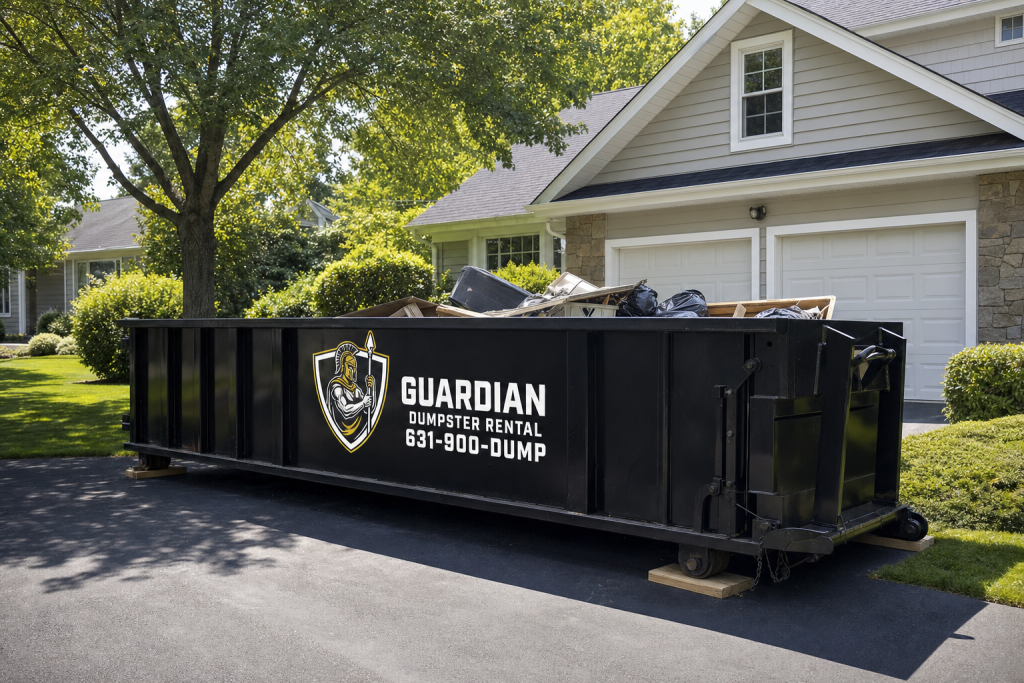
To estimate your attic junk volume, group everything into piles, measure each pile’s length, width, and height in feet, multiply those numbers, and divide by 27 to get cubic yards. Add the totals together, then round up by 20–30% because attic items are bulky, oddly shaped, and never stack neatly in a dumpster.
That’s the short version. Here’s how to do it without second-guessing yourself on delivery day.
Start with a Simple Count
Before you measure anything, walk the attic with a notepad and tally what’s actually up there:
- Boxes and bins: A standard medium moving box is roughly 3 cubic feet. Ten boxes is about one cubic yard.
- Furniture: A dresser, recliner, or small couch typically runs 1–2 cubic yards each once you account for the air around it.
- Mattresses: A queen mattress and box spring together can eat close to 2 cubic yards, even though they weigh very little.
- Loose junk: Old luggage, holiday decorations, toys, and lamps — pile these mentally into one heap and measure that heap as a block.
Convert Your Piles to Cubic Yards
The math is straightforward: length × width × height (in feet) ÷ 27 = cubic yards. So a pile that’s 6 feet long, 6 feet wide, and 3 feet tall works out to 108 cubic feet, or exactly 4 cubic yards. Do this for each major pile or zone in the attic, then add everything up. That running total is the number you’ll compare against dumpster capacities when choosing your attic cleanout dumpster size.
Use the Pickup-Truck Comparison
If measuring feels tedious, use this shortcut: a full-size pickup truck bed holds roughly 2–2.5 cubic yards when loaded level. Picture how many pickup loads it would take to haul everything out of your attic. Two loads? You’re around 4–5 cubic yards. Four or five loads? You’re pushing 10 yards or more.
Why Attic Junk Eats Space Faster Than You Expect
Attic contents are the opposite of demolition debris — light but awkward. Keep these realities in mind:
- Odd shapes don’t stack. An artificial Christmas tree, a bag of insulation scraps, and a broken fan create dead air pockets in the container.
- Soft items spring back. Comforters, pillows, and stuffed bags refuse to compress unless you actively pack them into gaps.
- Furniture rarely breaks down. Unless you disassemble it, a single armoire can claim the space of a dozen boxes.
This is why the 20–30% cushion matters — most homeowners underestimate volume, not weight. Once you have your total, you can match it against real container dimensions; this breakdown of what fits in a 10, 20, or 30 yard container is a useful reference point when your estimate lands between sizes.
When Is a 10 Yard Dumpster Enough for an Attic Cleanout?
A 10 yard dumpster is enough for an attic cleanout when you’re clearing a small attic, a partial declutter, or mostly lightweight items like boxes, holiday decorations, old clothing, and small furniture. It holds roughly three pickup truck loads of debris, which covers the contents of most modest attic spaces with room to spare.
For many New York homeowners, the 10 yard is the sweet spot of the attic cleanout dumpster size range. Attics tend to fill up with bulky-but-light items rather than heavy debris, and a 10 yard container swallows a surprising amount of that kind of clutter.
What a 10 Yard Dumpster Actually Holds
A 10 yard dumpster holds 10 cubic yards of material — the equivalent of about three full-size pickup truck beds. In practical attic terms, that typically means:
- Dozens of cardboard boxes and plastic storage totes
- Multiple bins of holiday decorations, wreaths, and artificial trees
- Bags of old clothing, linens, and stuffed animals
- A few small furniture pieces, like a dresser, nightstands, or folding chairs
- Old luggage, lamps, picture frames, and boxed-up kitchenware
Because attic junk is mostly light, you’re far more likely to run out of space than to hit the container’s weight limit — another reason careful loading (breaking down boxes, nesting items) stretches a 10 yard further than you’d expect.
Real-World Scenarios Where a 10 Yard Works
- Small attics or crawl-space attics: If your attic is a low-clearance storage area rather than a full walk-up floor, its total contents rarely exceed 10 cubic yards.
- Partial declutters: Clearing out a corner, purging old boxes before a move, or making room for new insulation doesn’t require a full-house container.
- Boxes-and-decorations cleanouts: If the attic holds mostly seasonal items, paperwork, and hand-me-downs — no large furniture or building debris — a 10 yard handles it comfortably.
- Staged cleanouts: Some homeowners prefer to tackle the attic in phases; a 10 yard suits each phase without paying for unused capacity.
Why the 10 Yard Fits Tight NY Properties
Beyond capacity, the smaller footprint is a genuine advantage in New York, where driveways are often narrow, short, or shared. A 10 yard dumpster typically fits in a single-car driveway without blocking the garage or forcing the container onto the street, which can simplify or eliminate permit headaches. Its lower walls also make loading easier — a real plus when you’re hauling armfuls of boxes down from an attic and lifting them over the side, rather than wrestling items up and over a taller container.
If your cleanout matches these scenarios, book the 10 yard with confidence. If you’re staring at a packed, full-height attic with large furniture, that’s a different conversation — covered in the next section.
When Should You Upgrade to a 20 or 30 Yard Dumpster?
Upgrade to a 20 yard dumpster when your attic holds decades of accumulation, bulky furniture, or mattresses — or when you’re clearing the basement or garage at the same time. Choose a 30 yard dumpster for full estate cleanouts. Sizing up once almost always costs less than booking a second haul after the first container fills.
Signs Your Attic Cleanout Needs a 20 Yard Dumpster
A 20 yard container holds roughly double the volume of a 10 yard, which matters more than you’d think once bulky items enter the picture. Furniture and mattresses eat cubic yards fast because they don’t compress or stack neatly the way boxes do. Consider a 20 yard dumpster if any of these apply:
- Decades of accumulation. If the attic has been the family’s default storage spot for 20+ years, the volume is almost always more than it looks from the hatch.
- Old furniture, mattresses, or box springs. Even two or three large pieces can take up a third of a smaller container on their own.
- You’re combining projects. Adding a basement or garage cleanout to the same rental is where 10 yard containers most often come up short. One larger dumpster for a whole-house purge is far more efficient than staging separate cleanouts.
- Building materials are mixed in. Leftover lumber, old insulation batts, or plywood from past projects add weight and awkward volume quickly.
When a 30 Yard Dumpster Makes Sense
A 30 yard dumpster is the right call for estate cleanouts, where you’re emptying an entire home’s worth of belongings — attic included — often on a deadline tied to a sale or lease. It also fits situations where a hoarding-level accumulation or a full pre-move purge means every room contributes to the load. If you’re standing in the attic thinking “this is going to be an all-weekend job with multiple helpers,” the 30 yard is usually the honest answer.
Why Sizing Up Beats Paying for a Second Haul
The price gap between container sizes is typically modest compared to the cost of a swap-out or second rental. If you underestimate your attic cleanout dumpster size and fill the container early, you’re looking at a second delivery fee, a second haul-away fee, and days of downtime waiting for the exchange — all while bags and furniture pile up in your driveway. A container that leaves with some empty space costs you nothing extra beyond the original rental. When your estimate lands between two sizes, or you’re not confident in your volume math, the larger container is the lower-risk choice. Overage weight fees and swap-out charges add up faster than the incremental cost of going one size bigger from the start.
What Attic Items Can’t Go in Your Rental Dumpster?
Hazardous and regulated items are banned from rental dumpsters: paint, solvents, pesticides, propane tanks, batteries, tires, and most electronics. New York law requires these to go through household hazardous waste programs, retailer take-back, or e-waste recycling instead. Loading them anyway risks a rejected haul, contamination fees, or fines from your rental company.
Attics are notorious for collecting exactly the kinds of items dumpster companies refuse. Before you finalize your attic cleanout dumpster size, pull these problem items aside — they take up space in your mental estimate, but they can’t take up space in the container.
Common Attic Finds That Need Special Handling
- Old paint cans and stains: Latex paint can often be dried out (with kitty litter or hardener) and then discarded with regular trash in many NY municipalities, but oil-based paints and stains are hazardous waste and must go to a collection event or facility.
- Chemicals, solvents, and pesticides: Turpentine, adhesives, pool chemicals, and old garden sprays are flammable or toxic. Keep them in their original containers and bring them to a household hazardous waste drop-off.
- Propane tanks: Even “empty” tanks can hold residual gas under pressure. Many propane retailers and exchange programs accept old tanks; never toss one in a dumpster.
- Batteries: Rechargeable batteries, lithium-ion packs, and car batteries are fire hazards in a dumpster load. New York requires retailers that sell rechargeable batteries to accept them back for recycling.
- Tires: Most haulers ban tires outright or charge a per-tire fee. Tire retailers in New York are generally required to accept used tires for a small fee when you purchase new ones, and many transfer stations take them.
- Electronics: Under New York’s electronic waste law, items like TVs, computers, monitors, and printers cannot go in the trash or a dumpster. Manufacturers and many retailers offer free take-back, and municipalities often host e-waste collection days.
How NY Residents Can Dispose of These Properly
Start with your town or county’s website — most counties in New York run periodic household hazardous waste collection events, and some operate permanent drop-off facilities. New York City residents can use DSNY special waste drop-off sites for items like paint, batteries, and electronics. For electronics specifically, check the manufacturer’s take-back program or big-box retailers that accept e-waste.
A practical approach: as you clear the attic, stage a separate “do not dump” corner in the garage. Sorting as you go is far easier than digging banned items out of a loaded dumpster — and it keeps your hauler from refusing the pickup or tacking on contamination charges. If you’re unsure whether a specific item is allowed, ask your rental company before delivery day; prohibited-item lists vary slightly between haulers.
How Does Summer Weather Affect an Attic Cleanout in NY?
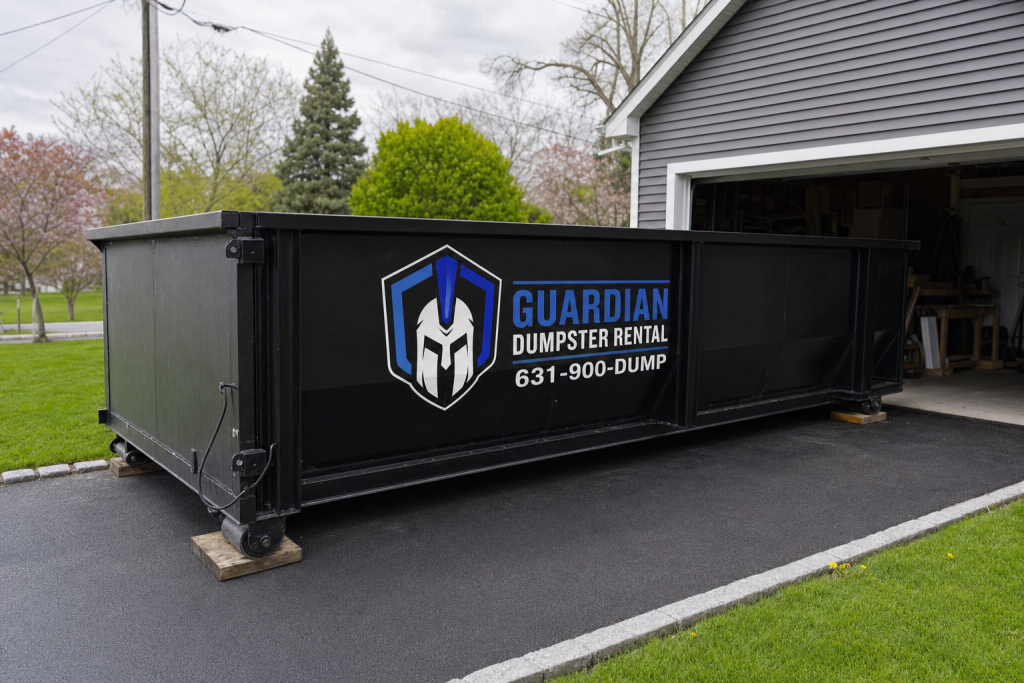
Summer heat makes attics dangerous — an unventilated attic can climb well above 120 degrees during a New York heat wave. Work in short early-morning sessions, hydrate constantly, and pace yourself. Tarp your dumpster before afternoon thunderstorms so cardboard and fabric don’t absorb rainwater and add unnecessary weight to your load.
Heat and sudden storms are the two biggest wildcards in a summer attic cleanout. Both affect your safety and, indirectly, whether your attic cleanout dumpster size still works for you — soaked debris weighs far more than dry debris, and overweight fees can turn a well-planned rental into an expensive one.
Beat the Heat: Work Early and Pace Yourself
Attics trap heat all day and release it slowly overnight, which means the coolest window is typically sunrise to mid-morning. Plan your hauling trips down the attic stairs for those hours, then use the hotter afternoon for sorting items in a shaded garage or basement.
- Start at dawn: Get your heaviest lifting done before the attic reheats.
- Work in 20–30 minute intervals: Step down into air conditioning or shade between rounds.
- Hydrate before you feel thirsty: Drink water regularly, not just when you notice symptoms.
- Use a buddy system: Someone should check on you, since heat exhaustion can come on fast in a confined space.
- Know the warning signs: Dizziness, nausea, headache, and heavy sweating mean stop immediately. OSHA’s heat illness prevention resources outline symptoms and first-aid steps worth reviewing before you start.
Tarp the Dumpster Before Storms Roll In
New York summers bring pop-up thunderstorms and the occasional tropical downpour, and an open dumpster is essentially a giant rain collector. Water-soaked cardboard, old clothing, mattress padding, and insulation scraps can dramatically increase your load’s weight — and dumpster rentals are typically priced with weight limits in mind.
- Keep a heavy-duty tarp on hand and secure it with bungee cords or ratchet straps before you quit for the day.
- Load absorbent materials first and place them toward the bottom or center, where they’re most protected.
- Cover the container every evening, even if the forecast looks clear — summer storms develop quickly.
Schedule Around the Forecast
Before booking your delivery date, check the extended outlook from the National Weather Service. If a multi-day heat wave or a tropical system is headed for your area, shifting your rental window by a few days can make the whole project safer and easier. A cooler, drier stretch means faster loading, lighter debris, and a much more comfortable cleanout from start to finish.
10-15 yards
Most common size for attic-only cleanouts
7-10 days
Typical rental period
1 cubic yard ≈ 5-6 standard moving boxes
Rule of thumb
Roughly 60 ft of straight clearance
Space needed for delivery
Attic Cleanout Dumpster Size Comparison: Which Fits Your Project?
| Dumpster Size | Approximate Capacity | Best For |
|---|---|---|
| 10-yard | About 3 pickup truck loads | Small attic with boxes, holiday decor, and light clutter |
| 20-yard | About 6 pickup truck loads | Full attic plus decades of accumulation or added insulation removal |
| 30-yard | About 9 pickup truck loads | Whole-home cleanout that includes the attic, or estate cleanouts |
Illustrative Example: Sizing Up a 30-Year Attic Backlog
Illustrative example
Consider a hypothetical homeowner clearing an attic untouched for three decades: roughly 40 boxes of holiday decorations and paperwork, two old dressers, a disassembled bed frame, and several rolls of leftover carpet. Counting it out, the boxes alone approached 7 cubic yards, and the furniture and carpet pushed the estimate past 12. Rather than gamble on a 10-yard container, they booked a 15-yard dumpster and finished with a little room to spare. The lesson from this composite scenario: itemize before you book, and when your estimate lands near a size limit, go one size up.
Frequently asked questions
What attic cleanout dumpster size do most people actually need?
Most attic cleanouts fit in a 10-yard dumpster, which holds roughly three pickup truck loads. If your attic is large, packed floor to ceiling, or includes bulky furniture, a 15- or 20-yard container gives you breathing room. Sizing up one level usually costs less than ordering a second dumpster, so when you’re on the fence between two sizes, choose the larger one.
How do I estimate how much junk is in my attic before renting a dumpster?
Walk the attic and count boxes, bags, and furniture pieces, then convert to pickup truck loads — a standard pickup bed holds about two cubic yards. Photograph everything and note bulky items like mattresses or dressers, which eat space fast. If you can’t safely access the whole attic, assume there’s more than you can see and estimate on the high side.
Is it cheaper to rent a dumpster or hire a junk removal company for an attic cleanout?
A dumpster is usually cheaper if you’re willing to do the labor yourself, especially for larger cleanouts, since you pay one flat rental fee. Junk removal crews charge by volume and do the carrying for you, which makes sense for small loads or if stairs, health, or time are an issue. Get quotes for both and factor in the value of your own effort.
How long does it take to clean out an attic and fill a dumpster?
A small, organized attic can be cleared in a day with two people. Larger or heavily packed attics often take a full weekend, especially with narrow stairs or a pull-down ladder slowing every trip. Most rental periods run several days to a week, so book the dumpster for longer than you think you need rather than paying extension fees.
What happens if I order a dumpster that’s too small for my attic cleanout?
You’ll either need to order a second dumpster — paying a second delivery and haul-away fee — or pay overage charges if you fill it past the rim, since haulers can’t legally transport overloaded containers. Some drivers will refuse pickup entirely until you remove the excess. That’s why sizing up one level from your estimate is almost always the safer, cheaper call.
What items from an attic can’t go in a rental dumpster?
Most haulers prohibit paint, solvents, batteries, propane tanks, tires, and anything with refrigerant. Old insulation may be restricted, and attics in older homes can contain asbestos-containing materials or vermiculite insulation that require professional handling — never bag those yourself. Electronics and mattresses are banned or surcharged in some areas. Ask your rental company for their prohibited items list before you start hauling.
What’s the biggest mistake people make when estimating dumpster size for an attic?
Judging by floor area instead of actual volume. Attics hide junk in eaves, behind chimneys, and under stacked boxes, so what looks like a small pile often triples once it’s pulled into the open. People also forget that furniture and boxes don’t stack neatly in a dumpster, leaving wasted air space. Estimate the loose, unpacked volume — then round up.
Where should the dumpster go for an attic cleanout?
As close to the door or window you’ll be carrying items through as possible — usually the driveway. Every extra step matters when you’re making dozens of trips down attic stairs. If the driveway won’t work, street placement may require a permit from your city. Lay plywood under the container to protect the driveway surface, and confirm placement details with the hauler before delivery.
Can I throw old attic insulation in a dumpster?
Often yes for modern fiberglass batts, but always confirm with your hauler first, since some restrict insulation or charge extra. The critical exception is vermiculite insulation or anything from a home built before roughly the 1980s that could contain asbestos — that requires testing and professional abatement, not a DIY dumpster toss. When in doubt, have the material identified before disturbing it.
Do heavy attic items like books affect what dumpster size I should get?
Yes — dumpsters have weight limits as well as volume limits, and dense loads like boxes of books, magazines, or old tile can hit the weight cap before the container looks full. Exceeding the limit triggers per-ton overage fees. If your attic holds lots of paper or heavy materials, tell the rental company so they can recommend the right size and weight allowance.
Related local pages
- Dumpster Rental Babylon New York: Sizing, Placement, And Same-Week Delivery For South Shore Projects
- Dumpster Rental Bay Shore New York — 10, 20, And 30 Yard Roll-Offs Sized For South Shore Homes And Job Sites
Ready to clear out that attic? Call us today for a fast quote and same-week delivery on 10, 20, and 30 yard dumpsters anywhere in NY. Get in touch.
Last updated: August 13, 2026
Recent Comments