
Dumpster Rental Cost in NY: Sizes, Weights & Hidden Fees
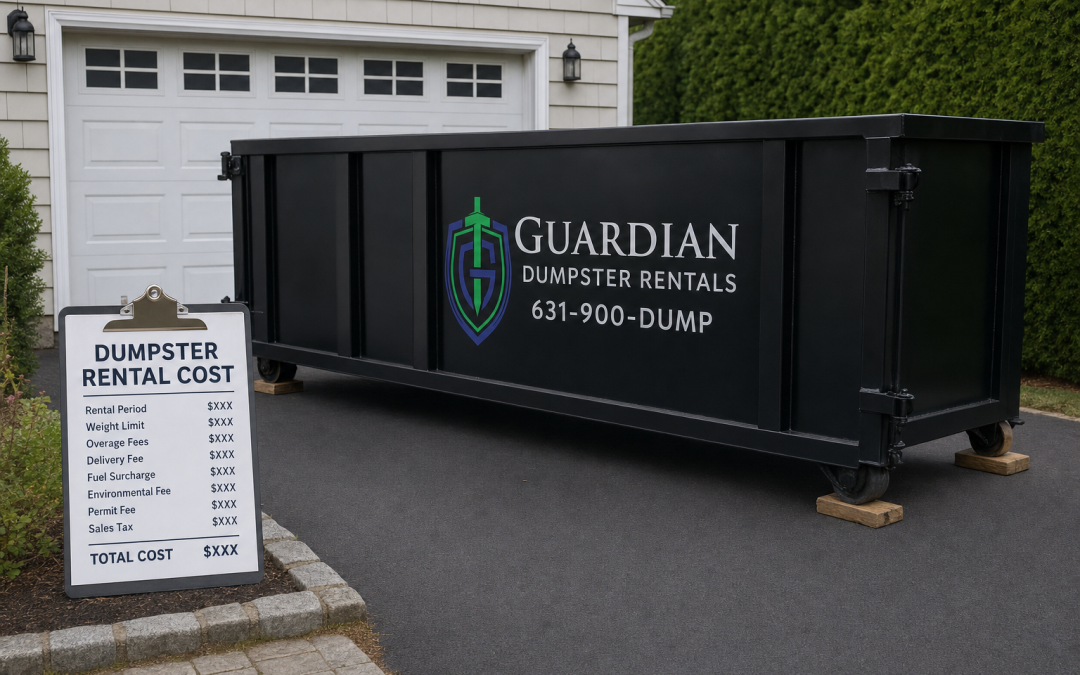
What Does Dumpster Rental Cost for a NY Remodeling Project?
Dumpster rental cost in New York typically runs from roughly $300–$500 for a 10 yard container, $400–$650 for a 20 yard, and $500–$800 for a 30 yard, all-in. Quotes usually bundle delivery, pickup, a set rental period, and a weight allowance — but overages and fees can push the final bill higher.
Key takeaways
- Dumpster rental cost in NY typically runs from a few hundred dollars for a small container to $800 or more for a 30-40 yard dumpster, depending on location and debris type.
- Every dumpster comes with a weight limit, and overage fees are charged per ton — heavy materials like concrete and roofing shingles hit that cap much faster than you'd expect.
- The advertised price rarely includes everything: expect potential add-ons for permits, extended rental days, trip fees, and prohibited items.
- Choosing a slightly larger dumpster upfront is usually cheaper than paying for a second haul or overage charges mid-project.
- In NYC and dense downstate areas, a street-placement permit from the municipality is often required if the dumpster can't sit on private property.
Those ranges are a realistic starting point for most of Long Island and the greater New York area, though your exact price depends on your town, the type of debris you’re tossing, and how competitive the local market is. Disposal costs in New York are among the higher in the country, which is why the same dumpster that’s cheap in a rural market costs noticeably more here.
What a Quoted Price Usually Includes
Most reputable haulers quote a flat rate that covers the essentials of the rental. A standard quote generally includes:
- Delivery and pickup — the truck trips to drop off and haul away the container.
- A rental period — commonly somewhere between 7 and 14 days, depending on the company.
- A weight allowance — a set number of tons of debris included in the price (often 1–4 tons depending on container size).
- Standard disposal fees — the landfill or transfer station charges for the included tonnage.
Why the Sticker Price Is Rarely the Final Bill
The number you’re quoted is the price if everything goes according to plan. In practice, remodeling projects have a way of generating more debris — and heavier debris — than homeowners expect. The most common reasons your final invoice climbs above the quote:
- Overweight charges if your load exceeds the included tonnage, billed per additional ton.
- Extended rental fees if the project runs long and you keep the container past the included period.
- Prohibited or special items like mattresses, tires, appliances, or electronics, which often carry per-item surcharges.
- Trip fees if the driver can’t complete a delivery or pickup because the container is blocked or overfilled.
Pricing also varies block by block, since disposal facilities and travel distances differ from town to town. If you’re comparing quotes for a residential dumpster rental in Babylon or a nearby Suffolk County community, ask each company to spell out exactly what’s included — the rental period, the tonnage allowance, and the per-ton overage rate. Two quotes that look identical on the surface can end up hundreds of dollars apart once the dumpster is weighed.
The rest of this guide breaks down each of those variables — sizes, weight limits, and hidden fees — so you can budget accurately before the container ever hits your driveway.

Which Dumpster Size Do I Need: 10, 20, or 30 Yard?
A 10 yard dumpster suits a bathroom gut or small kitchen tear-out, a 20 yard handles a full kitchen or multi-room renovation, and a 30 yard covers whole-home remodels or major additions. When in doubt between two sizes, going one size up is almost always cheaper than paying for a second haul.
Cubic yards measure volume, not footprint — and that distinction trips up a lot of homeowners. A container that looks “big enough” in a photo may fill up faster than you expect once you start tossing bulky cabinets, drywall sheets, and old flooring into it. Here’s how each size maps to real New York projects.
10 Yard: Bathroom Guts and Small Kitchens
- Typical dimensions: roughly 12 ft long, 8 ft wide, 3.5 ft tall
- Holds: about 3–4 pickup truck loads of debris
- Best for: a single bathroom demo, a compact kitchen tear-out, tile removal, or a small deck teardown
The low sidewalls make it easy to toss debris over the edge, and it fits comfortably in a standard Long Island driveway with room to spare for a parked car. If you’re planning a smaller project, a 10 yard dumpster rental in Babylon is usually the most economical starting point.
20 Yard: Full Kitchens and Multi-Room Renovations
- Typical dimensions: roughly 22 ft long, 8 ft wide, 4.5 ft tall
- Holds: about 6–8 pickup truck loads
- Best for: a full kitchen remodel with cabinets and appliances, renovating two or three rooms, or a large flooring and drywall job
The 20 yard is the workhorse of residential remodeling — big enough that most projects finish with one container, but still driveway-friendly for the majority of homes. It’s the size contractors default to for a reason.
30 Yard: Whole-Home Remodels
- Typical dimensions: roughly 22 ft long, 8 ft wide, 6 ft tall
- Holds: about 9–12 pickup truck loads
- Best for: gut renovations, whole-home remodels, large additions, or clearing out a house before a major project
The taller walls mean you’ll want a ramp or helper for heavy items, and you should measure your driveway — you need clear length for the container plus overhead clearance for the truck to roll it off.
Why Guessing Wrong Costs You Either Way
Sizing mistakes hurt your dumpster rental cost in both directions. Go too small and you’ll pay for a swap-out — a second delivery, haul, and disposal fee that can nearly double your total. Go too big and you’ve paid for empty air you never used. A quick conversation with your hauler about what you’re demoing, in what materials, is the cheapest insurance you can get.
How Do Dumpster Weight Limits Work — and What If I Go Over?
Every dumpster rental includes a set weight allowance — typically around 1–2 tons on a 10 yard, 2–3 tons on a 20 yard, and 3–4 tons on a 30 yard. Exceed it, and you pay a per-ton overage fee based on the weight recorded at the disposal facility’s truck scale.
This is the part of dumpster rental cost that surprises homeowners most. The size of the container tells you how much volume you can fill — the weight limit tells you how much that load can actually weigh. Those are two very different things, and it’s entirely possible to hit your tonnage cap with a dumpster that’s only half full.
Typical Included Tonnage by Size
- 10 yard: Usually 1–2 tons included — best suited for heavy but small-volume debris.
- 20 yard: Usually 2–3 tons included — the sweet spot for most kitchen and bath remodels.
- 30 yard: Usually 3–4 tons included — high volume, but the limit still applies.
Allowances vary by company and by region of New York, so always confirm the included tonnage and the per-ton overage rate in writing before booking. Overage charges are billed per ton (often prorated), and they stack up quickly on dense loads.
Why Remodel Debris Hits the Limit Faster Than You Think
Renovation waste is deceptively heavy. Materials that look manageable on the curb weigh far more than household junk:
- Ceramic tile and thinset: A single gutted bathroom’s worth of tile can weigh hundreds of pounds.
- Plaster and lath: Common in older NY homes, plaster is dramatically heavier than modern drywall.
- Old cabinetry and countertops: Solid wood cabinets and stone counters add weight fast.
- Flooring layers: Multiple layers of old flooring, underlayment, and adhesive pile on tonnage.
A dumpster full of demolished plaster walls and tile floors can weigh two to three times as much as the same container filled with furniture, cardboard, and light construction scrap.
The Scale Decides — Not the Driver
Your final weight isn’t estimated by eye. When the hauler picks up your dumpster, the truck is weighed at a certified scale at the transfer station or landfill — once loaded, once empty. The difference is your load’s official weight, and that number determines whether you owe overage fees. There’s no negotiating it after the fact, which is why it pays to plan around weight from the start.
If your project involves mostly dense materials, tell the rental company up front. Many will recommend a smaller container with a higher tonnage allowance, or suggest splitting heavy debris across two hauls — either of which usually beats paying overage rates on a single overloaded box.

What Hidden Fees Should I Watch Out For on a NY Rental?
The most common hidden fees on a NY dumpster rental are trip (dry-run) fees when the driver can’t access the container, daily extension charges past your rental window, overfill fees for debris loaded above the rim, municipal street permit costs, and contamination charges for prohibited materials like brick, concrete, dirt, and yard waste.
None of these charges typically appear in the quoted price you see upfront, and each one is avoidable if you know it exists. Here’s what to watch for — and how to sidestep each fee before it lands on your invoice.
Trip and Dry-Run Fees
If the driver arrives to deliver or pick up your dumpster and can’t complete the job — a car is blocking the driveway, a locked gate is in the way, or low-hanging wires prevent the truck from lifting the container — you’ll be billed a trip fee for the wasted run. Clear the drop-off and pickup area ahead of time, and confirm the truck has enough overhead and turning clearance.
Daily Extension Charges
Most rentals include a set number of days. Keep the dumpster longer and you’ll pay a per-day extension charge that quietly inflates your total. If your project timeline is uncertain, ask about the daily rate before you book and schedule delivery for when you’re actually ready to start loading — not a week before.
Overfill Fees
Debris must sit level with or below the rim of the container. Anything mounded above the walls creates a road hazard, and the driver may refuse the haul entirely or tarp it and charge an overfill fee. If you’re consistently loading above the rim, that’s usually a sign you ordered a size too small.
Street Permit Costs
If the dumpster will sit on a public street rather than your own driveway, many NY municipalities require a permit — and the cost and processing time vary by town or city. Skipping the permit can mean fines on top of the permit fee itself. Ask your rental company whether they pull the permit for you or whether that responsibility falls on you.
Contamination Charges for Prohibited Materials
This is the fee that surprises homeowners most. Standard containers are meant for household and construction debris, and certain materials are not accepted, including:
- Brick
- Concrete
- Dirt
- Yard waste
Toss these in anyway and you can face contamination charges, since the load may need to be sorted or redirected to a different facility. Hazardous items like paint, chemicals, batteries, and tires are also off-limits. If your project involves heavy masonry or landscaping debris, ask the company about dedicated disposal options for those materials instead.
The bottom line: the advertised dumpster rental cost is only part of the picture. Read the rental agreement, ask directly what triggers extra charges, and get the answers in writing before the truck shows up.
Can Summer Weather in NY Actually Raise My Dumpster Bill?
Yes. Summer thunderstorms and humidity can soak porous debris like drywall, insulation, and carpet, adding hundreds of pounds of water weight to your load. Because dumpsters are weighed at the landfill, that absorbed rainwater counts against your tonnage allowance — meaning a wet load can push you into overage fees you never planned for.
It sounds like a technicality, but it’s one of the most common ways homeowners in New York blow their debris budget between June and September. An open-top dumpster is essentially a giant rain collector, and the materials you’re most likely to toss during a summer renovation happen to be the most absorbent ones out there.
Which Materials Soak Up the Most Water?
Some debris shrugs off rain; other debris drinks it. Be especially careful with:
- Drywall and plaster — gypsum absorbs water readily and gets dramatically heavier when saturated.
- Carpet and padding — old carpet acts like a sponge and holds water for days.
- Fiberglass and cellulose insulation — light when dry, surprisingly heavy when wet.
- Dimensional lumber and plywood — wood takes on water slowly but releases it even more slowly.
- Yard waste and soil — already heavy, and rain compounds the problem.
Concrete, brick, metal, and glass, by contrast, weigh roughly the same wet or dry — so mixed loads with lots of masonry are less weather-sensitive.
Tarping: The Cheapest Insurance You’ll Buy All Summer
A heavy-duty tarp and a few bungee cords or ratchet straps cost far less than a single overage charge. Cover the dumpster every evening and any time storms are in the forecast. Two tips make tarping actually work:
- Pitch the tarp so water runs off rather than pooling in the middle — a pooled tarp can dump gallons into the container when you pull it back.
- Don’t overfill past the rim, or you won’t be able to seal the tarp against the sides and rain will channel straight in.
Time Your Loading Around the Forecast
If a multi-day stretch of storms is coming, hold absorbent materials inside the garage or under cover and load them just before pickup. The less time drywall and carpet spend exposed, the less water they carry to the scale — and the lower your effective dumpster rental cost per ton.
Ask About Flexible Pickup During Storm Season
Late summer in New York brings the tail end of tropical-storm season, and a container sitting through days of heavy rain is a liability. Before you book, ask the rental company two questions: Can I call for an early pickup if a major storm is forecast? And is there a fee for rescheduling? A company that offers flexible scheduling can pull a full container before the rain arrives — often the single best way to keep water weight off your invoice.

How Can I Keep Debris Removal Costs Under Control?
The most reliable ways to lower your dumpster rental cost are to get an itemized quote in writing, size up to a 20 or 30 yard container instead of risking a second haul, break down bulky items like cabinets before loading, keep prohibited materials out of the bin, and divert reusable or recyclable debris before it ever hits the dumpster.
None of these steps require special skills — just a little planning before the truck arrives. Here’s how to put each one into practice.
Get Everything Itemized in Writing
Before you book, ask the hauler to email a quote that spells out the rental period, included tonnage, the per-ton overage rate, delivery and pickup charges, and any fuel or environmental surcharges. A verbal “all-in” price is hard to dispute later; a written breakdown gives you leverage if the final invoice doesn’t match. If a company won’t itemize, treat that as a red flag and keep shopping.
Size Up Instead of Paying for a Second Haul
The jump in price from a 10 to a 20 yard dumpster — or a 20 to a 30 — is usually far smaller than the cost of a second delivery, rental, and haul-away. If you’re on the fence about how much debris a project will generate, going one size larger is almost always the cheaper mistake. Remodels notoriously produce more waste than homeowners expect once demolition starts.
Load Smart to Use Every Cubic Yard
- Break down cabinets, furniture, and boxes. Flat-packed debris nests together; intact cabinets trap huge pockets of air you’re paying to haul.
- Load flat items first. Doors, drywall sheets, and plywood go on the bottom, then fill gaps with smaller debris as you go.
- Never load above the fill line. Overfilled containers can’t legally be transported, and you’ll pay for the driver’s wasted trip or an off-loading fee.
Divert What Doesn’t Belong in the Dumpster
Every pound you keep out of the container is tonnage you don’t pay for. Clean scrap metal can often be recycled for free (or even for cash), and usable fixtures, cabinets, and doors can be donated to reuse outlets. The EPA’s guidance on reducing and recycling construction and demolition materials is a good starting point for what can be diverted from a typical remodel.
Just as important: keep out items that trigger extra charges or rejection, such as paint, batteries, and other household hazardous waste. New York State outlines proper disposal options through the NYS Department of Environmental Conservation’s household hazardous waste program — many counties run periodic collection events at no cost to residents.
Put these habits together and you’ll typically shave a meaningful chunk off your total dumpster rental cost — mostly by avoiding the overage charges and second hauls that catch unprepared homeowners.
7-10 days included, with daily fees after
Typical NY rental window
Billed per ton over the included weight limit
Common overage charge
Often required for curbside placement in NYC and many NY municipalities
Street permit
Paint, tires, batteries, and appliances with refrigerant usually cost extra or are banned
Prohibited items
Dumpster Rental Cost in NY by Size: What Fits and What to Watch For
| Dumpster Size | Typical Project Fit | Typical Weight Allowance | Common Cost Pitfall |
|---|---|---|---|
| 10-yard | Small bathroom remodel, garage cleanout | 1-2 tons | Heavy debris (tile, concrete) exceeds the cap fast |
| 20-yard | Kitchen remodel, flooring tear-out | 2-3 tons | Mixed debris pushing past the included tonnage |
| 30-yard | Whole-room gut renovation, roofing job | 3-4 tons | Extended rental days beyond the included period |
| 40-yard | Full home renovation, large demo | 4-5 tons | Overfilling above the rim triggers extra fees or refused pickup |
Illustrative Example: A Brooklyn Kitchen Gut Renovation
Illustrative example
Consider a hypothetical homeowner in Brooklyn planning a full kitchen tear-out, including old tile flooring and plaster walls. They initially quote a 10-yard dumpster to save money, but their contractor points out that tile and plaster are dense, and the debris would likely blow past the weight limit — triggering per-ton overage fees that could erase the savings. They upsize to a 20-yard container, confirm the driveway can accommodate it to avoid a street permit, and schedule delivery to align with demo day so they don't pay for idle rental days. By matching the container to the debris type rather than just the volume, this composite scenario shows how planning around weight limits and timing keeps the final bill close to the original quote.
Frequently asked questions
How much does dumpster rental cost in NY for a small home remodel?
For most residential remodels in New York, a 10 to 20 yard dumpster typically runs a few hundred to several hundred dollars for a standard rental period, with NYC and the surrounding metro area pricing higher than upstate. Your final dumpster rental cost depends on size, debris weight, rental length, and location. Always ask whether the quote is flat-rate (including tonnage) or variable, since weight overages are the most common reason final bills exceed quotes.
Do I need a permit to put a dumpster in front of my house in New York?
If the dumpster sits entirely on your own driveway or private property, you generally don't need a permit. If it will occupy a public street or sidewalk, most New York municipalities—including NYC—require a street placement permit, which adds cost and processing time. Rules and fees vary by city and even by neighborhood, so check with your local Department of Transportation or buildings office before delivery day, since fines for unpermitted placement can exceed the permit cost.
What happens if I overfill my dumpster or go over the weight limit?
Two different problems: overfilling past the fill line means the driver may legally refuse to haul it until you remove material, since loads must be safely tarped for transport. Exceeding the weight limit means the hauler weighs the load at the landfill and bills you a per-ton overage fee afterward. To avoid both, load heavy debris like concrete or plaster evenly, keep everything below the rim, and ask your hauler for the exact tonnage cap in writing.
What can't I throw in a rental dumpster in New York?
Haulers typically prohibit hazardous materials: paint, solvents, motor oil, batteries, propane tanks, tires, refrigerants, and asbestos-containing materials. Electronics and mattresses are restricted or carry extra fees in many areas, and New York has specific e-waste disposal rules. Putting banned items in the load can trigger contamination fees or a rejected load. If your remodel involves an older home, have suspected asbestos materials tested and professionally abated—never put them in a standard dumpster.
How long can I keep a rental dumpster before extra fees kick in?
Most companies include a standard rental window—commonly around 7 to 14 days—in the base price, then charge a daily rate for extra days. If your remodel timeline is uncertain, ask about the daily extension rate up front and whether you can schedule pickup with short notice. It's usually cheaper to extend a rental than to order a second dumpster, but a dumpster sitting idle for weeks wastes money you could avoid with better demo scheduling.
Will a dumpster damage my driveway, and how do I prevent it?
It can. A loaded dumpster concentrates thousands of pounds on small contact points, which can crack asphalt, scratch concrete, or leave rust stains. The standard fix is cheap: lay plywood sheets or boards where the dumpster and truck wheels will sit, and ask the driver to place it there. Most rental agreements make you responsible for surface damage, so don't skip this step—especially with newer asphalt in warm weather, when it's softest.
Is it cheaper to rent a dumpster or hire a junk removal service for remodeling debris?
It depends on volume and labor. Junk removal crews charge by the truckload and do the lifting, which usually wins for a single small cleanout. A dumpster rental wins for ongoing remodels where debris accumulates over days or weeks, since you pay once and fill it yourself. As a rule of thumb, if your project generates more than a couple of pickup-truck loads, or spans multiple demo days, the dumpster is usually the better value.
Can I share a dumpster with a neighbor to split the cost?
Often yes, and it can cut costs meaningfully—but do it carefully. The rental agreement is in one person's name, and that person is liable for overweight fees, prohibited items, and damage. Agree in advance on the cost split, what each household can toss, and who monitors the fill line. Sharing works best when both projects produce light, bulky debris; combining two heavy loads like tile and plaster can blow past the weight limit fast.
How do I know what size dumpster to get without overpaying?
Estimate your debris in pickup-truck loads: a 10-yard holds roughly 3–4 loads, a 20-yard about 6–8, a 30-yard about 9–12. When in doubt, size up—the price difference between adjacent sizes is usually modest, while ordering a second dumpster or paying an extra haul costs far more. Exception: dense debris like concrete, brick, or dirt should go in a smaller container, because you'll hit the weight limit long before you fill a large one.
What should I do if my final dumpster bill is higher than the quote?
First, request an itemized invoice and the landfill weight ticket—reputable haulers provide both. Compare the charges against your rental agreement: tonnage cap, rental days, and any listed surcharges like fuel or environmental fees. Legitimate overages are usually weight-related, but billing errors happen. If a fee wasn't disclosed before rental, dispute it in writing and reference the original quote. Going forward, get quotes in writing with all-in pricing and the overage rate spelled out.
Related local pages
- Dumpster Rental Babylon New York
- Dumpster Rental Bay Shore New York
- Dumpster Rental Commack New York
Get a straightforward, all-in quote for your NY remodel — call us today and we'll match you with the right 10, 20, or 30 yard dumpster with no surprise fees. Get in touch.
Last updated: August 20, 2026
Recent Comments