
Estate Cleanout Dumpster: Why One 30 Yard Beats Small Hauls
Why One Estate Cleanout Dumpster Beats a Dozen Small Trips
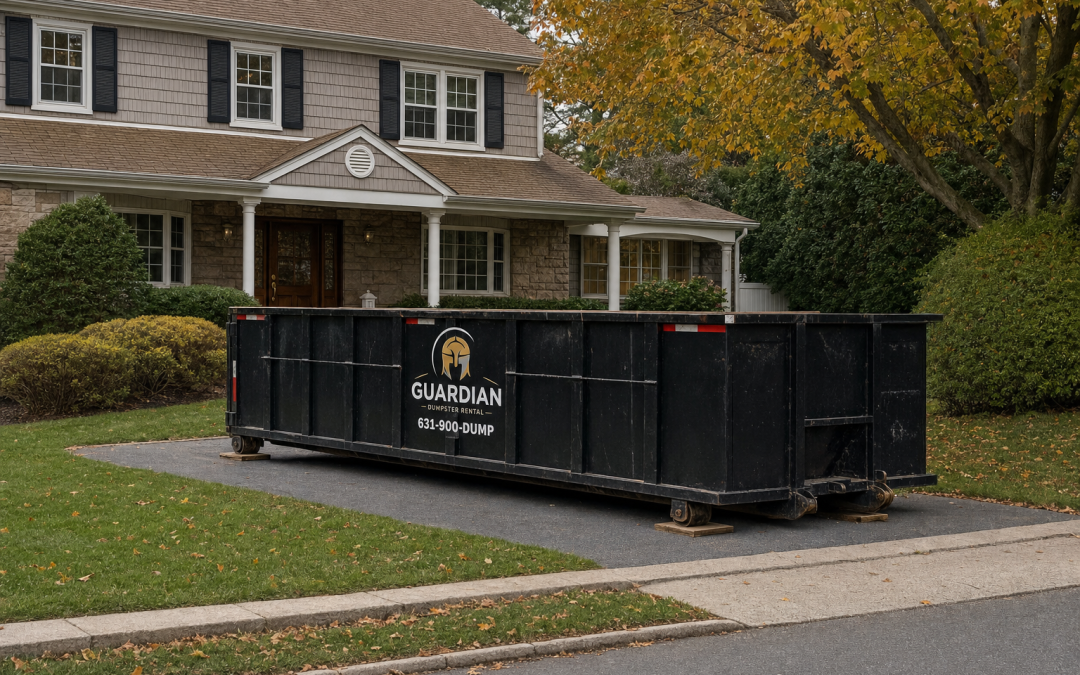
An estate cleanout dumpster — specifically a single 30 yard roll-off — lets you clear an entire house in one rental instead of making a dozen trips to the dump or paying for multiple small hauls. You get one delivery, one flat rate, and one pickup, which saves money, time, and a lot of mid-summer sweat.
Key takeaways
- A single 30 yard estate cleanout dumpster typically holds the contents of a full 3-4 bedroom house, eliminating the need for multiple pickup truck trips or small bin swaps.
- Renting one large dumpster is usually cheaper per cubic yard than booking two or three smaller containers or paying for repeated junk removal visits.
- Keeping a dumpster on-site for the full rental period lets families sort estate items at their own pace instead of rushing to fill a truck before it leaves.
- Bulky estate items like mattresses, dressers, and appliances fit easily through a 30 yard dumpster's walk-in rear door, reducing heavy lifting and injury risk.
- In New York, confirm placement rules early — driveway placement usually needs no permit, but street placement often requires one from your municipality.
When you’re emptying a loved one’s home before an estate sale, closing, or move, the sheer volume catches most families off guard. Decades of furniture, boxed keepsakes, garage clutter, basement storage, and attic overflow add up fast. Hauling that in a pickup truck or SUV means loading, driving, unloading, and repeating — often for weeks. A 30 yard container sits in the driveway the whole time, so every cleared room goes straight from the house into the bin.
The Real Cost of Small Hauls
Piecemeal disposal looks cheaper on paper, but the hidden costs stack up quickly:
- Repeat trip fees: Transfer stations and junk haulers charge per load, and small loads are the least efficient way to pay for disposal.
- Vehicle wear and fuel: A dozen round trips with a loaded truck or trailer adds fuel costs and strain on your vehicle.
- Your time: Every trip is an hour or more of driving, waiting, and unloading — time better spent sorting the house.
- Scheduling drag: Estate sales and closings run on deadlines. Small hauls stretch a weekend project into a month.
- Physical toll: Loading and unloading the same items twice, in New York summer heat, doubles the labor for no benefit.
Why the 30 Yard Size Is the Sweet Spot for Estates
Smaller containers work great for a single garage or attic, but a whole-house cleanout almost always outgrows them. If you rent a 10 yard bin and fill it, you’re back to square one — ordering a second (and often third) container, each with its own delivery fee. A 30 yard dumpster rental is sized for exactly this kind of project: full households, heavy furniture, and the surprise volume hiding in closets and crawl spaces.
One Rental, One Timeline
Consolidating everything into a single estate cleanout dumpster also simplifies the emotional side of the job. Families can work room by room at their own pace during the rental period, make keep-donate-toss decisions once, and toss items the moment a decision is made — no staging piles in the yard waiting for the next haul. When the house is empty, one call schedules the pickup, and the driveway is clear for the estate sale, showings, or the moving truck.
The sections below break down exactly how much fits in a 30 yard container, why it costs less than multiple hauls, and how to plan the cleanout step by step.
How Big Is a 30 Yard Dumpster and Will a Whole House Fit?
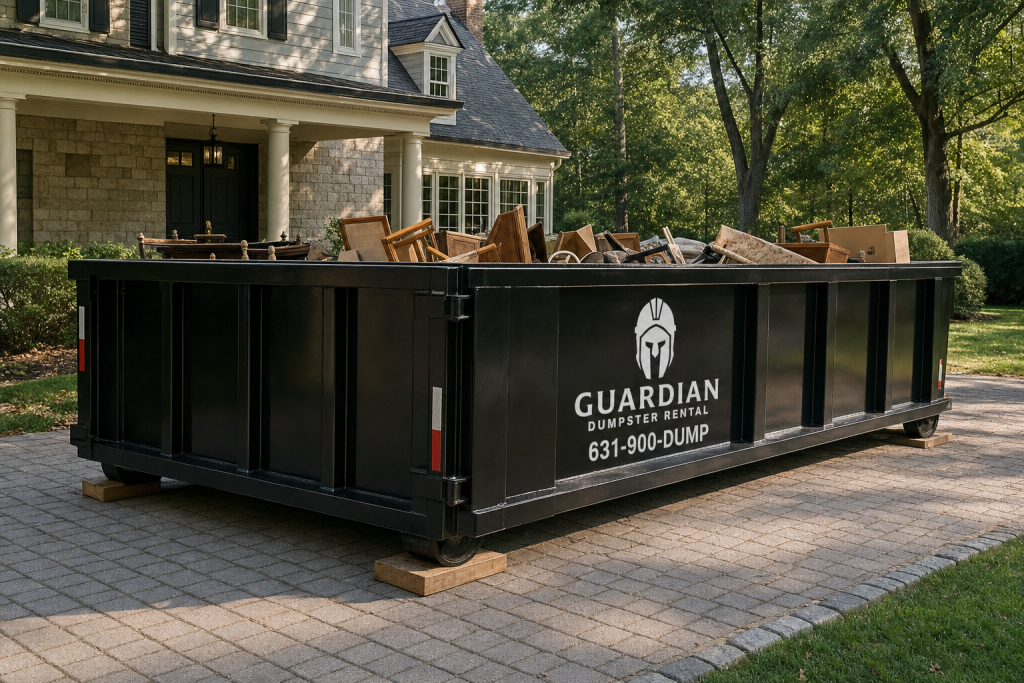
A 30 yard dumpster typically measures about 22 feet long, 7.5 feet wide, and 6 feet tall, holding roughly 30 cubic yards of debris — about nine to twelve pickup truck loads. For most estate cleanouts, that’s enough capacity to clear the contents of an average three-bedroom house in a single container.
Cubic yards are hard to picture, so let’s translate that into the things you’ll actually be carrying out of the house. A 30 yard estate cleanout dumpster comfortably swallows the bulky, awkward items that make small hauls so frustrating:
- Furniture: Sofas, recliners, dressers, dining sets, bed frames, and bookcases — the pieces that eat up an entire pickup bed on their own.
- Mattresses and box springs: Several full bedroom sets fit with room to spare.
- Appliances: Refrigerators, washers, dryers, and stoves (check with your provider first, as some appliances require refrigerant removal or special handling).
- Boxes and household goods: Decades of clothing, books, dishes, holiday decorations, and attic storage.
- Carpet, rugs, and light demo debris if you’re also freshening the house before a sale.
The 6-foot walls matter more than people expect. Taller sides mean furniture can be stacked and loaded strategically rather than piled loosely, so you use the full volume you’re paying for. Many 30 yard containers also have a swing-open rear door, letting you walk heavy items in instead of lifting them over the side — a real back-saver during a multi-day cleanout. If you’re comparing local specs and delivery details, see our 30 yard dumpster rental page for Babylon, NY.
Will an Entire House Really Fit?
For a typical two- to three-bedroom home, yes — one 30 yard container usually handles it, especially when you break down furniture, flatten boxes, and load flat items along the floor first. Larger homes, packed basements, or houses with a full garage and attic may need a second container or a mid-cleanout swap, which your rental company can schedule in advance so you’re never stuck with a full box and a half-empty house.
When a Smaller Dumpster Makes More Sense
Honesty matters here: not every job needs 30 yards, and paying for unused space helps no one.
- 10 yard: Right for a single room, a garage, or a small attic cleanout — and easier to place in tight driveways.
- 20 yard: A good fit when you’re clearing part of a house, such as a finished basement plus a couple of bedrooms.
- 30 yard: The clear choice for whole-house estate cleanouts, where the goal is emptying everything in one pass.
If you’re unsure, describe the rooms and contents to your rental provider — sizing over the phone takes two minutes and prevents both overpaying and running out of space mid-job.
Why Is a 30 Yard Estate Cleanout Dumpster Cheaper Than Multiple Hauls?
A 30 yard estate cleanout dumpster is cheaper because you pay one flat rate that bundles delivery, pickup, and a set weight allowance. Multiple small hauls stack up separate charges — extra dumpster swaps, truck rentals, fuel, per-trip dump fees, and days of your own labor — that quickly exceed the cost of a single large container.
One Flat Rate vs. Stacked Charges
Most dumpster companies price a 30 yard rental as a single flat fee covering drop-off, a rental window, haul-away, and disposal up to an included tonnage. Compare that to the alternatives, where every trip restarts the meter:
- 10 yard swaps: An estate cleanout that fills a 30 yard container would need roughly three 10 yard loads. Each swap means another delivery fee, another haul fee, and another disposal charge — and smaller containers rarely cost a third of the price of a large one.
- Truck or trailer rentals: Rental fees, mileage charges, and insurance add up across multiple days, and a pickup bed holds only a small fraction of what a 30 yard dumpster does.
- Fuel and tolls: Repeated round trips to a transfer station burn gas — especially with a loaded truck — and in many parts of New York, tolls and bridge crossings add to every run.
- Per-trip dump fees: Transfer stations typically charge minimum fees or per-ton rates on every visit. Ten small loads can mean ten separate minimum charges.
The Hidden Cost: Your Time in NY Traffic
The line item most people forget is their own weekend. Self-hauling an estate’s contents means loading a truck, driving to the transfer station, waiting in line, unloading, and driving back — then repeating it. In New York, that math gets worse fast:
- Weekend traffic can turn a short drive to the transfer station into an hour each way.
- Transfer stations are busiest on Saturdays, when everyone else is hauling too, so expect to idle in line before you even reach the scale.
- Many facilities have limited hours, so a late start can mean an entire load sits in your driveway until the next open day.
If clearing the house takes four or five weekends of hauling instead of one focused weekend of loading a dumpster in the driveway, you’ve spent far more than money — and if the property needs to be listed, sold, or turned over to a buyer, every extra week can carry real carrying costs like utilities, insurance, and property taxes.
Fewer Decisions, Fewer Surprises
A single large container also simplifies budgeting. You know the price before you start, the included weight is spelled out in the quote, and there’s no temptation to leave items behind because the truck bed is full. With small hauls, the total cost is a moving target that only reveals itself after the last trip.
How Do I Plan a Whole-House Cleanout Before an Estate Sale or Move?
Plan a whole-house cleanout by sorting every room into four piles — keep, sell, donate, and toss — before the dumpster arrives. Schedule delivery for the day after your estate sale ends so unsold items go straight into the container, and load heavy, flat items first to fill it in one pass.
Step 1: Sort Room by Room With Four Categories
Work through one room at a time rather than bouncing around the house — it keeps momentum up and prevents decision fatigue. In each room, sort everything into:
- Keep: Items family members are taking or that move with you. Box these first and stage them in one designated room or the garage.
- Sell: Furniture, tools, collectibles, and anything with real resale value. Tag these for the estate sale and leave them in place if possible.
- Donate: Usable items unlikely to sell — linens, kitchenware, clothing. Schedule a charity pickup before the dumpster arrives so donations don’t end up in the container by default.
- Toss: Broken furniture, worn carpet, expired pantry goods, old paperwork, and general clutter. Stage this near the driveway or in a cleared room close to where the dumpster will sit.
Start with low-sentiment rooms like the garage, basement, and attic. Bedrooms and personal spaces take longer emotionally, so save them for when you’ve built a rhythm.
Step 2: Time the Dumpster Around the Sale Date
The biggest planning mistake is having the estate cleanout dumpster delivered too early. If it sits in the driveway during the sale, it hurts curb appeal — and shoppers may assume the good stuff is already gone. A better sequence:
- 2–3 weeks out: Sort and stage everything; arrange donation pickups.
- Sale weekend: Run the estate sale with the driveway clear.
- Day after the sale: Have the dumpster delivered. Everything unsold that donation centers won’t take goes straight in.
- Final walkthrough: Sweep every room, closet, and crawl space before calling for pickup.
Step 3: Load Strategically So Everything Fits in One Pass
How you load determines whether one container handles the whole house. Follow these rules:
- Flat and heavy first: Mattresses, tabletops, doors, and disassembled furniture go on the bottom to create a level base.
- Break things down: Unscrew table legs, collapse shelving, and flatten boxes. Air is wasted space you’re paying for.
- Fill gaps as you go: Tuck bagged clothing, cushions, and small items into voids between larger pieces.
- Keep the load level: Never pile above the container’s rim — drivers can’t legally haul an overfilled dumpster, and you’ll be stuck offloading the excess.
With sorting done in advance and a smart loading order, most whole-house cleanouts wrap up in a single weekend of loading — no second container, no return trips.
What Can’t Go in the Dumpster During an Estate Cleanout?
Hazardous and regulated items can’t go in an estate cleanout dumpster: paint, household chemicals, propane tanks, batteries, tires, electronics, and appliances containing refrigerant. Each has a safe, usually free alternative in New York — municipal hazardous waste days, retailer take-back programs, scrap dealers, or certified appliance recyclers — so plan a separate pile for them as you sort.
Estate houses tend to hide decades of accumulation in basements, garages, and sheds — exactly where prohibited items live. Sorting them out early keeps your load compliant and avoids contamination fees from your dumpster provider. Here’s how to handle the most common ones.
Paint and Household Chemicals
- Latex paint: Some haulers accept it only if fully dried out. Mix in kitty litter or a paint hardener, leave the lid off until solid, then confirm with your provider before tossing.
- Oil-based paint, solvents, pesticides, pool chemicals, cleaners: These are household hazardous waste. Most New York counties and towns run periodic HHW collection days — check your county’s solid waste department for the next event and set these items aside in their original containers.
Propane Tanks and Batteries
- Propane tanks: Never dumpster them, even “empty” ones — residual gas makes them a fire and explosion risk. Exchange grill-size tanks at a retailer, or ask a local propane supplier about drop-off.
- Rechargeable and lithium batteries: New York law requires retailers that sell rechargeable batteries to take them back for free. Many hardware and big-box stores have drop-off bins near the entrance.
- Car batteries: Auto parts stores accept these, and many pay a small credit or waive a core charge.
Tires
Tires are banned from most dumpsters and landfills. Tire retailers in New York are required to accept used tires when you buy new ones, and many will take old tires for a modest per-tire fee even without a purchase. Some town transfer stations also accept a limited number per household.
Electronics
New York’s electronic waste law bans TVs, computers, monitors, printers, and similar devices from the trash. Manufacturers and many retailers offer free take-back programs, and county e-waste collection events are common. For an estate full of old electronics, one trip to a designated e-waste drop-off usually clears the whole lot.
Appliances with Refrigerant
Refrigerators, freezers, air conditioners, and dehumidifiers contain refrigerant that must be professionally recovered before disposal. Options include:
- Utility appliance-recycling programs, which sometimes pick up working units for free
- Scrap metal recyclers or appliance retailers offering haul-away with a new purchase
- Certified technicians who can evacuate the refrigerant and tag the unit — after which some haulers will accept it
A simple system works best: as you clear each room, stage prohibited items in one corner of the garage. When the dumpster arrives, everything left is safe to load.
When Should I Schedule My Dumpster During a NY Summer?
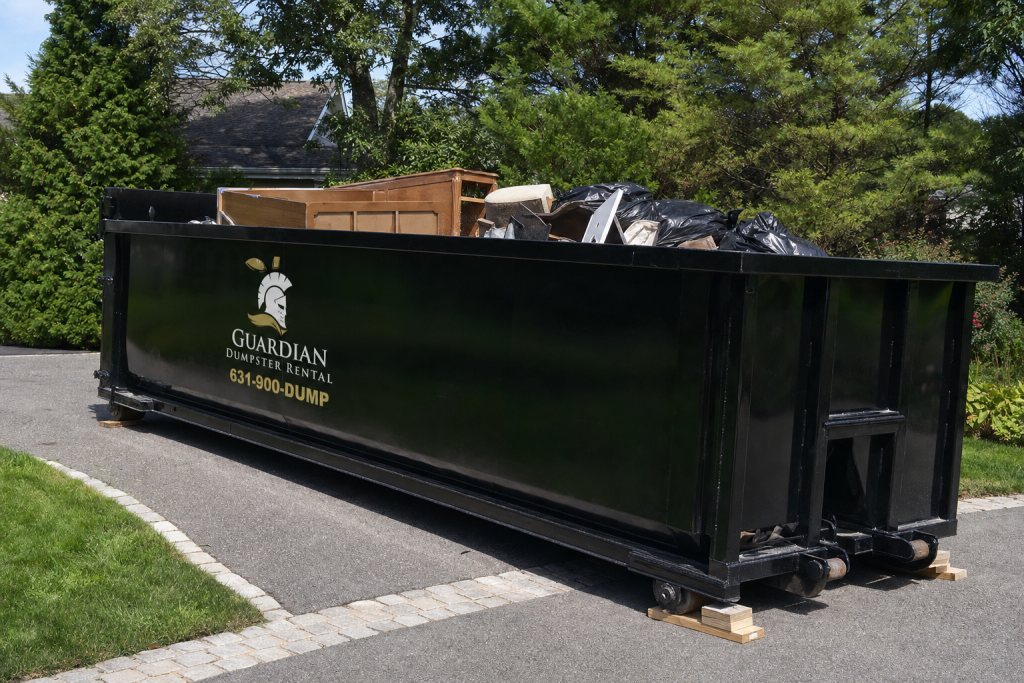
Book your dumpster for early to mid-week, load during cooler morning hours, and keep the container covered before afternoon thunderstorms. In New York, summer is peak moving and cleanout season, so reserve your dumpster one to two weeks ahead and check the tropical outlook before locking in your delivery date.
Load in the Morning, Rest in the Afternoon
July and August afternoons in New York regularly climb into the upper 80s and 90s with heavy humidity. Hauling furniture, boxes of books, and old appliances is strenuous work, and heat exhaustion is a real risk during an all-day cleanout. Plan your heaviest lifting between roughly 7 a.m. and 11 a.m., then shift to lighter indoor sorting in the afternoon. Take shade breaks, drink water steadily, and never work alone when moving bulky items in the heat.
Beat the Afternoon Thunderstorms
New York summers follow a familiar pattern: clear mornings, then pop-up thunderstorms in the late afternoon and evening. Rain matters more than most homeowners realize, because water adds weight, and dumpsters are billed partly by tonnage. Soaked mattresses, upholstered furniture, carpeting, and cardboard can add hundreds of pounds you’ll pay for at the scale.
- Cover the container overnight and before storms. Ask your hauler if a tarp is available, or bring your own and weigh it down.
- Load absorbent items last (or bag them) so they spend less time exposed.
- Check the forecast each morning at the National Weather Service’s weather.gov so you can pause loading before a downpour rather than during one.
Watch the Tropics in Late Summer
Atlantic hurricane season runs June through November, and late-summer tropical systems occasionally track up the East Coast toward New York. A loaded dumpster is stable, but a half-full container with loose, lightweight debris can shed material in high winds. If a tropical storm is in the forecast, either finish loading and schedule pickup before it arrives, or delay delivery until it passes. You can monitor developing systems at the National Hurricane Center several days in advance, which is usually enough lead time to adjust a rental window.
Book Early — Summer Is Peak Season
Summer is the busiest stretch of the year for real estate closings, moves, and renovations, which means demand for containers spikes. To get the estate cleanout dumpster size and delivery date you actually want:
- Reserve one to two weeks ahead, especially near month-end and holiday weekends when moves cluster.
- Aim for a Monday or Tuesday delivery so you have the full week to load before weekend helpers arrive.
- Confirm your rental period up front. Estate cleanouts often take longer than expected, and extending mid-rental during peak season can be harder than building in extra days from the start.
A little seasonal planning keeps your cleanout on schedule, your debris dry and light, and your crew safe in the heat.
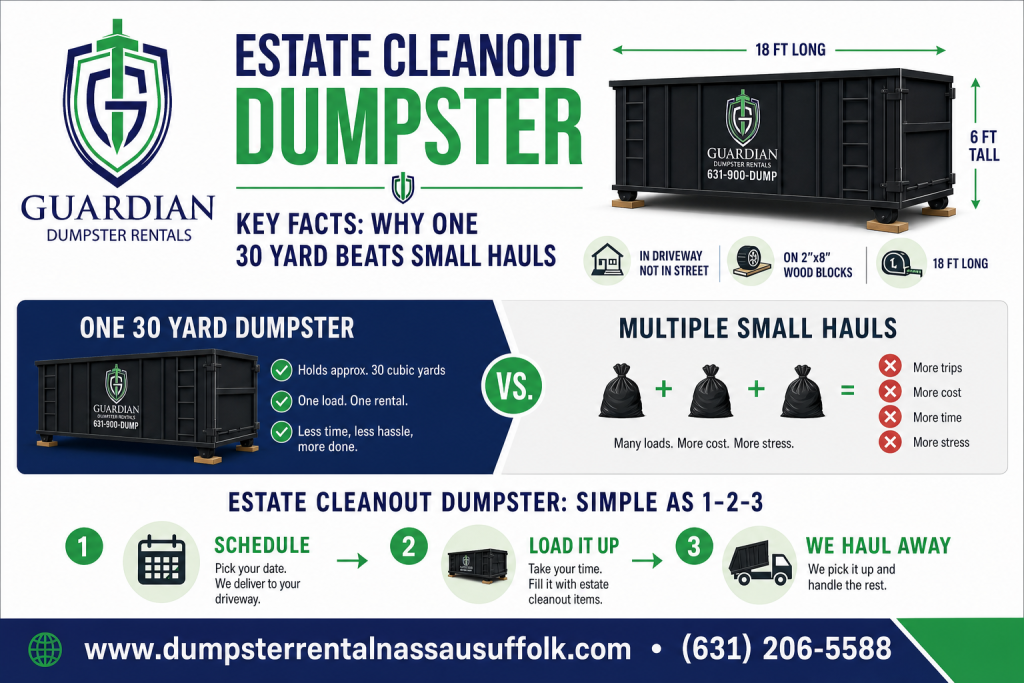
About 9-12 pickup truck loads
30 yard capacity
Roughly 22 ft long x 8 ft wide
Typical footprint
7-14 days with most providers
Common rental window
Full 3-4 bedroom home cleanouts
Best fit for
Estate Cleanout Dumpster vs. Multiple Small Hauls: How the Options Compare
| Factor | One 30 Yard Dumpster | Multiple Small Hauls (Truck Trips or Small Bins) |
|---|---|---|
| Capacity | Roughly 9-12 pickup truck loads in one container | Each pickup load or small bin handles only a fraction of a full house |
| Timeline | Sort and load over a multi-day rental period | Progress tied to repeated trips, scheduling, and bin swaps |
| Cost structure | One flat rental fee with an included weight allowance | Fuel, dump fees, or multiple rental charges stack up quickly |
| Physical effort | Walk-in door for wheeling out heavy furniture | Lifting items into a high truck bed repeatedly |
| Scheduling | One delivery and one pickup to coordinate | Multiple pickups, drop-offs, and transfer station hours to manage |
Illustrative Example: Clearing a Long Island Family Home in One Weekend
Illustrative example
Consider a composite scenario: adult siblings inheriting their parents' four-bedroom Long Island home initially planned to haul items to the transfer station in a borrowed pickup. After estimating the sheer volume — decades of furniture, a packed basement, and garage clutter — they ordered a single 30 yard estate cleanout dumpster placed in the driveway instead. Over one long weekend, they sorted keepsakes and donations at their own pace, wheeled heavy dressers through the rear door, and filled the container without a single road trip. The estate sale prep finished days ahead of schedule, and the family avoided the fuel costs, dump fees, and physical strain that a dozen small hauls would have required.
Frequently asked questions
How much does an estate cleanout dumpster cost in NY?
Pricing varies by county and hauler, but a 30 yard dumpster in New York typically runs several hundred dollars for a flat-rate rental that includes delivery, pickup, a set rental period, and a weight allowance. Get quotes from two or three local companies and ask what tonnage is included, since overage fees are charged per ton. Even at the higher end, one 30 yard rental usually costs less than repeated small hauls or junk removal crews making multiple trips.
How long does it take to clean out a whole house for an estate sale?
Most families need anywhere from a few days to two weeks depending on the home's size, how full it is, and how many people are helping. Sorting keepsakes, paperwork, and sellable items takes longer than the actual hauling. A standard 7 to 14 day dumpster rental usually fits this timeline, and most companies offer extensions for a daily fee if you need more time.
Will a 30 yard dumpster really hold everything from a full house?
A 30 yard container holds roughly the contents of a typical three to four bedroom home once furniture, boxes, and household goods are broken down and loaded efficiently. Very full homes, hoarding situations, or houses with packed basements, attics, and garages may need a second container or a swap-out. Ask your hauler about swap pricing upfront so a second load doesn't catch you off guard.
What can't I throw in a dumpster during an estate cleanout?
Most haulers prohibit hazardous materials like paint, motor oil, chemicals, propane tanks, batteries, and tires. Many also restrict or charge extra for mattresses, appliances with refrigerant, and electronics, which New York regulates for disposal. Old homes often contain exactly these items, so ask your rental company for their prohibited list before loading and set restricted items aside for proper drop-off or a scheduled collection event.
Do I need a permit to put a dumpster in the driveway in New York?
If the dumpster sits entirely on your private driveway or property, you usually don't need a permit. If it must go on a public street, most New York municipalities require a street occupancy permit from the town, village, or city. Rules and fees vary widely by location, so call your local building or highway department before delivery. Your rental company can often tell you what's typical in your area.
Is a dumpster cheaper than hiring a junk removal company for an estate cleanout?
Usually yes, if you or family members can do the loading. Junk removal services charge by volume and labor, and a whole-house job often requires multiple truckloads, which adds up fast. A dumpster gives you the same disposal capacity for one flat fee and lets you work at your own pace. Junk removal makes sense when nobody can physically do the lifting or the house must be emptied in a single day.
Should I sort through everything before the dumpster arrives?
Do a first pass before delivery: pull out documents, photos, jewelry, and anything for the estate sale or family members. But don't try to finish sorting beforehand. Having the dumpster on site while you work lets you make one decision per item instead of moving things twice. Just don't let the container sit half-empty while you deliberate, since rental days are limited.
What's the biggest mistake people make renting a dumpster for an estate cleanout?
Ordering a container that's too small to save money upfront. Two 15 yard rentals almost always cost more than one 30 yard, once you add second delivery fees and lost time waiting for a swap. Other common mistakes include overloading past the fill line, ignoring the weight allowance when tossing heavy items like books and dishes, and forgetting to check for valuables inside furniture before loading it.
Will a 30 yard dumpster damage my driveway?
It can if precautions aren't taken. A loaded 30 yard container is heavy, and the roll-off truck's wheels and rails can scratch or crack asphalt and concrete. Ask the driver to place plywood or boards under the container's contact points, and avoid delivery on a driveway that's freshly sealed, sloped, or already cracked. Most reputable haulers carry protective boards and will position the dumpster carefully if you ask.
What should I do with items that are too good to throw away during a cleanout?
Set up a staging area with three zones: sell, donate, and keep. Furniture, tools, and collectibles in decent shape can go to the estate sale, consignment, or online marketplaces. Many charities in New York offer free pickup for usable furniture and household goods, which also generates a donation receipt. Reserve the dumpster for broken, stained, or genuinely worthless items so you're not paying to dispose of things with value.
Related local pages
- Dumpster Rental Babylon New York: Sizing, Placement, And Same-Week Delivery For South Shore Projects
- Dumpster Rental Bay Shore New York — 10, 20, And 30 Yard Roll-Offs Sized For South Shore Homes And Job Sites
Ready to clear the whole house in one shot? Call us today to reserve your 30 yard dumpster and get same-week delivery anywhere in our NY service area. Get in touch.
Last updated: August 14, 2026
Recent Comments