
Renting a Dumpster in NY: What to Know First
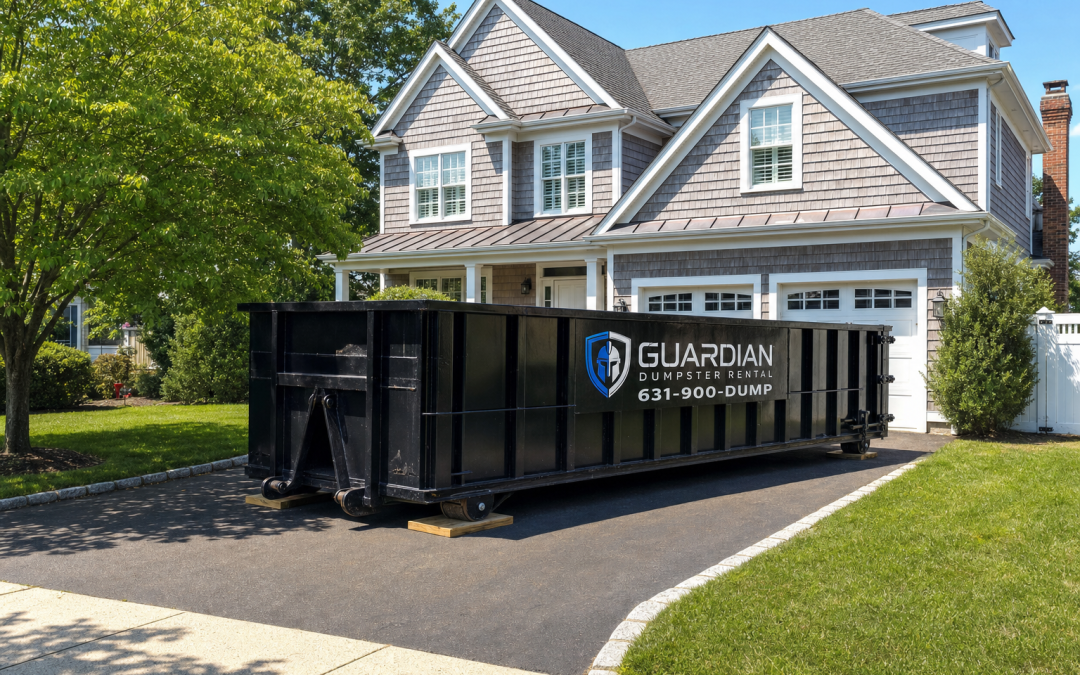
What Should You Know Before Renting a Dumpster in NY?
Before renting a dumpster in NY, you need to sort out five essentials: the right container size for your project, the true all-in price, where the dumpster will sit (and whether that spot requires a permit), which materials are prohibited, and how long you’ll actually need it. Nail those five and the rest of the rental is easy.
Key takeaways
- Most NY residential projects fit a 10-yard or 20-yard dumpster, so measure your debris before paying for a bigger container than you need.
- In New York City and many municipalities, placing a dumpster on the street requires a permit, while placing it on your own driveway usually does not.
- Rental quotes typically include a weight limit, and exceeding it triggers per-ton overage fees, so ask for the included tonnage in writing.
- Prohibited items like tires, paint, batteries, and appliances with refrigerants can lead to extra charges or refused pickup, so confirm the banned list before loading.
- Booking a few days ahead and confirming the rental period (often 7 to 14 days) helps you avoid daily extension fees during your project.
Most homeowners only rent a dumpster a handful of times in their lives, so it’s normal to have questions. The good news is that the process is far simpler than it looks once you understand what drives the decisions. Here’s the short version of everything this guide covers, so you can get oriented before we dig into each topic in detail.
The Five Essentials at a Glance
- Size: Residential roll-off dumpsters typically come in 10, 20, and 30 yard sizes. A 10 yard suits garage cleanouts and small remodels, a 20 yard handles kitchen gut-outs and roofing tear-offs, and a 30 yard fits major renovations and whole-house cleanouts. Choosing slightly bigger is usually cheaper than ordering a second haul.
- Price: Costs in New York vary by container size, rental length, debris type, and your location. Always ask for a flat, all-in quote and confirm what the weight limit is and what overage fees look like, so there are no surprises on the final invoice.
- Placement: A driveway is the ideal spot — it’s private property, so no permit is needed in most towns. If the dumpster has to sit on the street, many NY villages and towns require a permit from the local building or highway department. Check before delivery day, not after.
- Prohibited items: Hazardous materials like paint, chemicals, batteries, tires, propane tanks, and refrigerants can’t go in a rental dumpster. Putting them in anyway can trigger extra fees, so plan a separate disposal route for those items.
- Timing: Standard rental periods often run about a week, with extensions available. Book a few days ahead when possible — demand spikes in spring and summer, and same-week delivery windows fill up fast.
Why Planning Ahead Pays Off
The most common (and most expensive) mistakes are ordering a dumpster that’s too small, discovering a street placement needs a permit after the truck arrives, or tossing in prohibited items that add surcharges. A ten-minute conversation with your hauler about your project scope, debris type, and placement spot prevents nearly all of them.
If you’re on Long Island and want a concrete example of how sizing and driveway placement work in practice, this breakdown of what fits in a 10, 20, or 30 yard container is a useful starting point.
In the sections that follow, we’ll walk through each of these five essentials in depth — starting with the question that trips up the most homeowners: which dumpster size do you actually need?
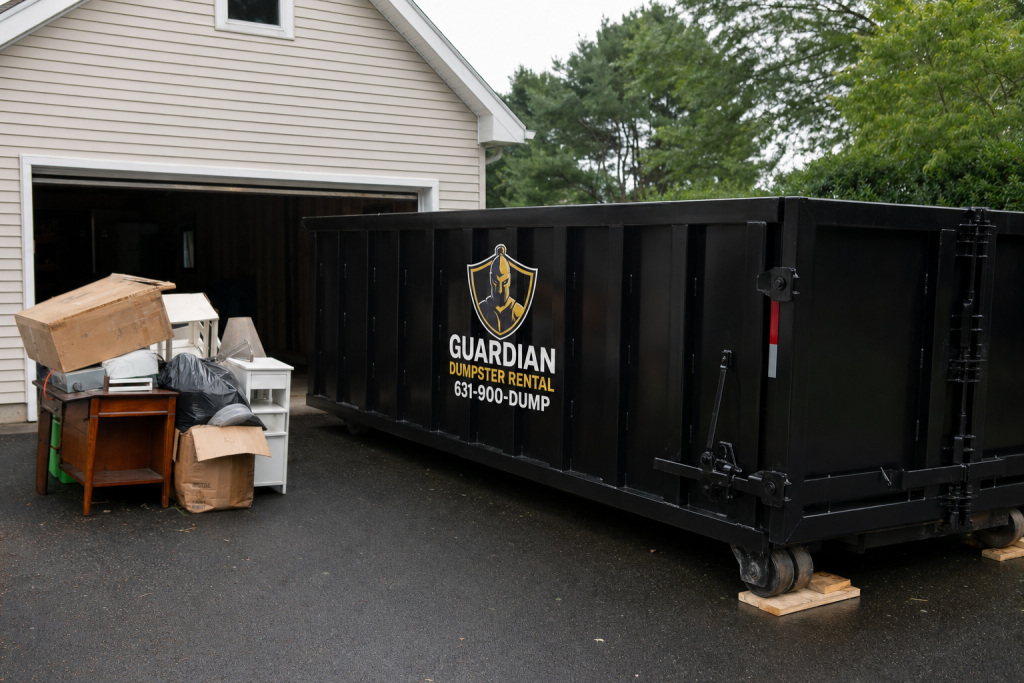
What Size Dumpster Do I Need: 10, 20, or 30 Yard?
Choose a 10 yard dumpster for a single-room or garage cleanout, a 20 yard for a full kitchen or bath renovation or a roof tear-off, and a 30 yard for a whole-house clearout or major remodel. When in doubt, size up — one larger container almost always costs less than a second haul.
Cubic yards measure volume, not footprint, which is why the numbers can feel abstract. A helpful mental shortcut: one cubic yard is roughly the size of a standard kitchen stove, and many haulers describe capacity in pickup-truck loads. Here’s what that means in practice for each size.
10 Yard: Small Cleanouts and Single-Room Projects
A 10 yard container holds roughly three to four pickup truck loads. It’s the right call for:
- Garage, attic, or basement cleanouts
- A small bathroom remodel or single-room flooring removal
- Yard debris from a weekend landscaping project
- Heavy materials like concrete, dirt, or brick in small quantities (weight limits fill up before volume does)
Its compact footprint also makes it the easiest to fit in a tight NY driveway without blocking the garage.
20 Yard: Full Renovations and Roofing
The 20 yard is the workhorse for most homeowners renting a dumpster — big enough for real demolition debris, small enough for a typical suburban driveway. It suits:
- Full kitchen gut-outs, including cabinets and countertops
- Roof shingle tear-offs on most single-family homes
- Whole-garage or large basement cleanouts with bulky furniture
- Multi-room flooring, drywall, or deck removal
30 Yard: Whole-House Clearouts and Major Remodels
A 30 yard container is for projects that generate debris from multiple rooms at once:
- Estate cleanouts or clearing a whole house before a sale
- Major renovations spanning several rooms or an addition
- New construction debris or large-scale demolition
- Big, bulky-but-light loads like furniture, insulation, and packaging
The taller walls make it ideal for lightweight, high-volume material, though its length means you’ll want to confirm it fits your driveway before delivery.
The Golden Rule: When in Doubt, Size Up
The most expensive sizing mistake isn’t renting a container that’s slightly too big — it’s renting one that’s too small. If your dumpster fills before the job is done, you’ll pay for a second delivery, a second haul, and possibly lose days waiting on the swap. The price difference between a 10 and a 20, or a 20 and a 30, is usually modest by comparison. Debris also takes up more space than most people expect once it’s broken up and loosely tossed in, so estimate your pile, then round up. If your estimate lands squarely between two sizes, the larger one is nearly always the safer, cheaper bet.
How Much Does Renting a Dumpster Cost in NY?
The cost of renting a dumpster in NY depends mainly on five factors: the container size, how long you keep it, the weight allowance included in the quote, any overage or extra fees, and how far the company has to travel to deliver it. Most quotes bundle delivery, pickup, and a set tonnage into one flat rate.
Because pricing varies significantly between upstate towns, the suburbs, and the five boroughs — and between debris types — the smartest move is to understand what drives the number rather than chase a single “average” price. Two quotes that look identical on the surface can produce very different final bills once the dumpster is weighed at the landfill.
What Drives the Price
- Container size: Larger dumpsters cost more, but the jump between sizes is usually smaller than the cost of ordering a second dumpster because the first one filled up. Sizing correctly is often the biggest money-saver.
- Rental period: Most companies include a standard window — often around a week — in the base price. Keeping the container longer typically adds a daily or weekly fee, so match the rental period to your project timeline.
- Weight allowance: Flat-rate quotes include a set number of tons. Heavy materials like concrete, dirt, roofing shingles, or plaster can hit that limit fast, even in a half-full container.
- Overage fees: If your load exceeds the included tonnage, you’ll pay a per-ton charge on top of the base rate. This is the most common reason a final bill comes in higher than the quote.
- Delivery distance: Companies price around their service area and the disposal facilities they use. Properties far from the nearest transfer station or landfill may see higher rates or fuel surcharges.
- Debris type: Mixed household junk, clean concrete, and yard waste can all be priced differently, since disposal facilities charge the hauler different rates for each.
Questions to Ask Before You Book
A few minutes on the phone can keep the quote you get from turning into a bigger bill. Ask every company:
- Is the price all-inclusive — delivery, pickup, taxes, and disposal — or are those line items separate?
- How many tons are included, and what is the per-ton overage charge?
- How many rental days are included, and what does each extra day cost?
- Are there fees for prohibited items found in the load, trip fees for a blocked or inaccessible dumpster, or charges for swapping out a full container?
- Will I see the weight ticket from the disposal facility if there’s an overage charge?
Get the answers in writing. Reputable haulers are upfront about their fee structure, and a company that hesitates to explain its overage pricing is telling you something worth knowing before the truck ever arrives.
What Can’t You Put in a Rental Dumpster?
Most haulers prohibit hazardous and regulated materials: wet paint, solvents, chemicals, motor oil, batteries, tires, propane tanks, and appliances containing refrigerant like fridges and air conditioners. These items can contaminate loads, create safety risks, and get rejected at landfills — which means surcharges for you if they turn up in your dumpster.
When you’re renting a dumpster, the rental agreement will include a prohibited items list, and it’s worth reading closely before you start tossing things in. Landfills and transfer stations in New York refuse loads that contain hazardous waste, and if a facility rejects or fines the hauler, that cost typically gets passed back to the customer. In some cases, the driver may refuse to pick up the container at all until the offending items are removed.
Commonly Prohibited Items
- Paints, stains, and solvents — liquid paint can leak, contaminate other debris, and is classified as hazardous. Fully dried latex paint cans are sometimes accepted; check with your hauler first.
- Household chemicals — pesticides, pool chemicals, cleaners, motor oil, antifreeze, and gasoline are all off-limits.
- Batteries — car batteries, lithium-ion batteries, and rechargeable packs pose fire and leak hazards. Lithium batteries in particular have caused fires in trucks and at facilities.
- Tires — most New York disposal facilities won’t accept tires in mixed loads, so haulers ban them or charge a per-tire fee.
- Refrigerant appliances — refrigerators, freezers, air conditioners, and dehumidifiers contain refrigerant that must be professionally recovered before disposal under federal law.
- Propane tanks and pressurized cylinders — these can explode when compacted.
- Electronics — New York State law restricts disposing of many electronics (TVs, computers, monitors) in the regular waste stream.
Why Haulers Restrict These Items
It comes down to three things: safety for drivers and facility workers, environmental regulations at the state and federal level, and the risk of an entire load being rejected. One leaking paint can or a single refrigerator can turn a routine dump into a contaminated load, and the hauler bears that cost first — then bills you.
What to Do With Prohibited Items Instead
- Household hazardous waste (HHW) events: Many New York counties and municipalities run periodic HHW collection days for paints, chemicals, and batteries. Check your county’s solid waste department website.
- Retailer take-back programs: Many home improvement and auto parts stores accept used batteries, motor oil, and sometimes paint.
- Electronics recycling: New York’s electronics recycling law requires manufacturers to offer free take-back options, and many retailers and municipal drop-off sites accept e-waste.
- Appliance pickup: Some utilities, scrap metal recyclers, and appliance retailers will haul away old refrigerant units and handle the refrigerant recovery properly.
- Tire retailers: Shops that sell tires typically accept old ones for a small recycling fee.
A quick call to your hauler about any questionable item before loading day is the easiest way to avoid a surprise on your final invoice.
Where Should the Dumpster Go and Do I Need a Permit?
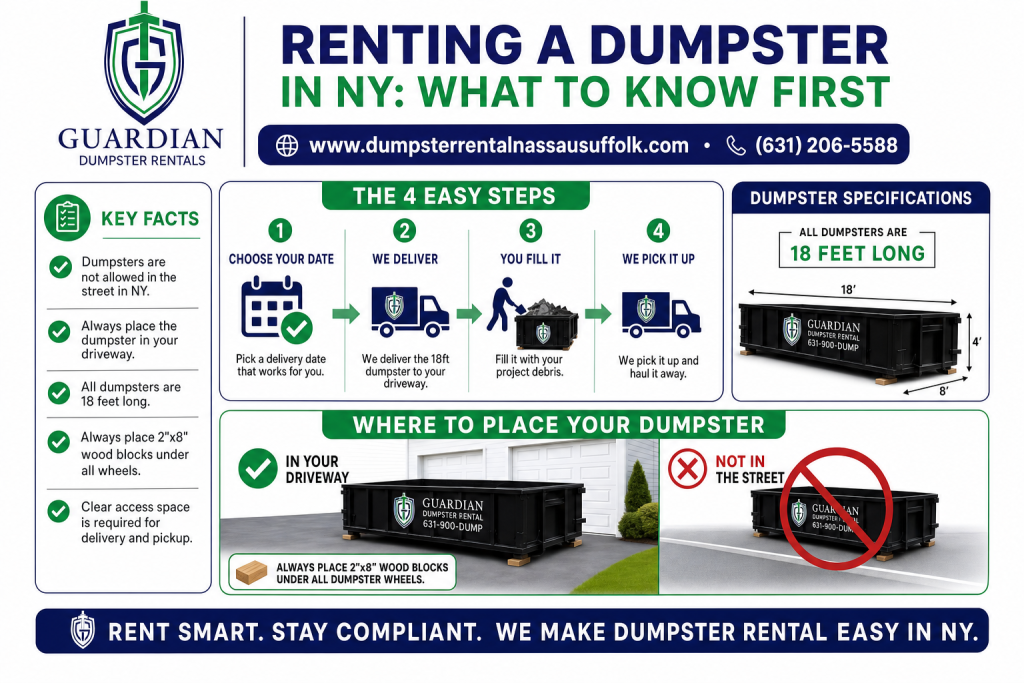
Place the dumpster on your own driveway whenever possible — private property placement in NY typically requires no permit. If the dumpster must sit on a public street or sidewalk, most New York municipalities, including New York City, require a right-of-way or street occupancy permit before delivery, so check with your local government first.
Picking the right spot before the truck arrives saves you time, money, and headaches. Delivery drivers need a clear path, and once a loaded container is on the ground, moving it usually means an extra fee. A few minutes of planning goes a long way.
Driveway vs. Street Placement
A driveway is almost always the better choice. It keeps the container on your property, avoids the permit process, and reduces the risk of blocking traffic or drawing complaints. That said, the driveway needs to work logistically:
- Space: Roll-off trucks need room to back in and tilt the container off, plus overhead clearance free of low branches and power lines.
- Surface: A flat, paved, or firm gravel surface is ideal. Soft ground or a steep slope can cause problems for both delivery and pickup.
- Access: The dumpster shouldn’t block your garage or trap a vehicle for the entire rental period.
Street placement is the fallback when a driveway is too small, too steep, or nonexistent — common in denser parts of New York. Just know that the street is public right-of-way, which brings permits into play.
When NY Municipalities Require a Permit
Rules vary by location, but the general pattern across New York is consistent:
- Private property: No permit is usually needed for a dumpster on your own driveway or yard, though some HOAs and villages have their own rules — worth a quick call.
- Public streets and sidewalks: A right-of-way, street occupancy, or container permit is typically required. In New York City, street placement of containers falls under the Department of Transportation’s permitting process.
- Who applies: Sometimes the rental company handles the permit; often it falls to the homeowner. Confirm this when booking, and build in a few days of lead time for approval.
Skipping a required permit can mean fines or having the container removed, so it’s not a step to gamble on when renting a dumpster.
Simple Prep Before Delivery Day
A little preparation protects your property and keeps delivery smooth:
- Clear the area: Move cars, trailers, basketball hoops, and anything else out of the drop zone and the truck’s approach path.
- Lay down plywood: Sheets of plywood or boards under the container’s rails and wheels help distribute weight and protect asphalt or concrete from scratches and dents — especially on hot days when pavement softens.
- Mark the spot: If you won’t be home, mark exactly where you want the container so the driver doesn’t have to guess.
- Think about the door: Position the container so the swing-open end faces the direction you’ll be loading from.
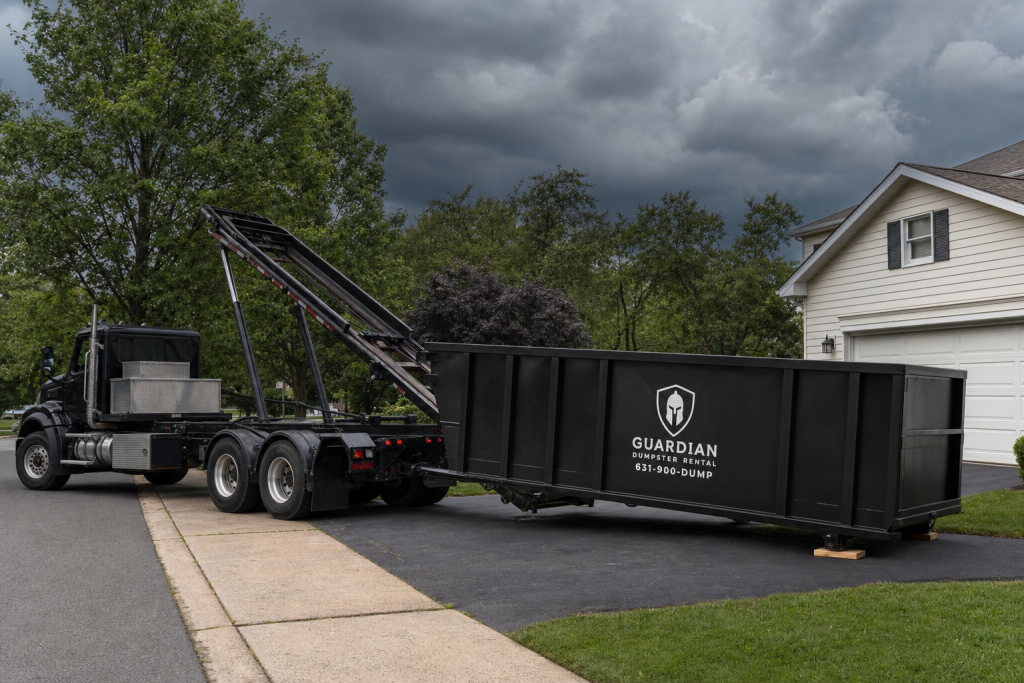
How Do Summer Heat and Storms Affect Renting a Dumpster?
Summer heat and storms affect a dumpster rental in three main ways: peak-season demand makes containers harder to book on short notice, rain-soaked debris can add weight and push you over your tonnage limit, and severe weather can delay delivery or pickup. Booking early, loading in the morning, and covering the container mitigate all three.
Book Early — Summer Is Peak Season
Late spring through early fall is when most New Yorkers tackle roofing, remodeling, cleanouts, and landscaping projects, so dumpster inventory tightens across the state. If your project has a firm start date, reserve your container one to two weeks ahead rather than calling the day before. Renting a dumpster during peak season with no lead time often means settling for the wrong size or a later delivery than you wanted.
Load During the Cooler Morning Hours
Hauling drywall, shingles, or old furniture is heavy work, and New York summers regularly bring heat advisories with high humidity. Plan your loading sessions for early morning, take shade breaks, and stay hydrated. The CDC’s guidance on preventing heat-related illness is worth reviewing before a big cleanout day, especially if you’re working on a roof or in a poorly ventilated attic or garage.
Heat also intensifies odors. If you’re tossing household trash, food-contaminated items, or yard waste, load those last and schedule pickup promptly — a dumpster that sits full for a week in July will attract flies and complaints from neighbors.
Cover the Container Before Thunderstorms
This is the tip that saves people real money. Debris like drywall, carpet, insulation, mattresses, and yard waste acts like a sponge. A single heavy downpour can add hundreds of pounds of water weight, and since haulers weigh the container at the disposal facility, rain-soaked debris can push you past your included tonnage and trigger overage fees.
- Keep a heavy-duty tarp on hand and secure it over the open top before storms roll in.
- Check the forecast daily — summer thunderstorms in New York often develop in the afternoon with little warning.
- If rain is forecast for delivery day, ask the hauler whether they can drop the container after the system passes.
- Load absorbent materials (drywall, carpet, fabric) toward the bottom and cover them first.
Plan Around Tropical Storms and Hurricanes
From June through November, tropical systems occasionally track up the East Coast and affect New York. If a named storm is approaching, contact your hauler about an early pickup — an open container full of loose debris is a liability in high winds, and flooding can strand a dumpster or contaminate its contents. Monitor the National Hurricane Center when a system is in the forecast, and don’t schedule a delivery for the days immediately before landfall. A short delay is far better than dealing with wind-scattered debris or a waterlogged, overweight container.
7–14 days included in most quotes
Typical rental period
10 to 40 cubic yards
Common size range
Generally requires a permit
Street placement in NYC
Usually billed per ton above the included weight limit
Overage charges
Renting a Dumpster in NY: Common Sizes Compared
| Dumpster Size | Typical Projects | Approximate Capacity | Best For |
|---|---|---|---|
| 10-yard | Garage cleanout, small bathroom remodel | About 3 pickup truck loads | Tight driveways and small jobs |
| 20-yard | Flooring removal, roofing, large cleanouts | About 6 pickup truck loads | Most home renovation projects |
| 30-yard | Major remodels, additions | About 9 pickup truck loads | Large residential construction |
Illustrative Example: A Queens Kitchen Remodel
Illustrative example
Consider a hypothetical homeowner in Queens planning a full kitchen gut renovation. After estimating the volume of cabinets, drywall, and flooring debris, they chose a 20-yard dumpster rather than the 10-yard they initially considered, avoiding a second haul-fee. Because their driveway was too short for the container, they applied for a street placement permit before the delivery date, which prevented a last-minute delay. They also confirmed the included tonnage and kept heavy materials like tile spread evenly to stay within the weight limit. This composite scenario reflects the common decision points New Yorkers face when renting a dumpster for the first time.
Frequently asked questions
How much does renting a dumpster cost in NY?
Costs vary widely based on dumpster size, rental length, your location, and the type of debris. Most companies quote a flat rate that includes delivery, pickup, a set rental period, and a weight allowance. Expect to pay more in NYC and surrounding areas than upstate. Always ask what’s included, what triggers overage fees, and whether taxes and fuel surcharges are in the quote before you book.
What size dumpster do I need for a home cleanout?
Common residential sizes range from 10 to 40 cubic yards. A 10-yard bin suits a single-room cleanout or small bathroom remodel, a 20-yard works for whole-house decluttering or flooring removal, and 30- to 40-yard containers handle major renovations or construction. When in doubt, size up—ordering a second dumpster costs far more than the difference between sizes. Describe your project to the company and let them recommend.
Do I need a permit to put a dumpster on the street in New York?
If the dumpster sits on your own driveway or private property, you typically don’t need a permit. If it goes on a public street or sidewalk, most NY municipalities—including New York City—require a permit from the local department of transportation or public works. Rules and fees vary by town, so check with your local government before delivery. Some rental companies will handle the permit for you, but confirm who is responsible.
How long can I keep a rental dumpster?
Most rentals include a standard period, commonly around 7 to 14 days, with the exact term set by the company. If you need it longer, most providers charge a daily extension fee, which is usually cheap compared to rushing your project. Tell the company your realistic timeline upfront—it’s easier to negotiate extra days before delivery than to get hit with per-day charges after the fact.
What can’t you throw in a rented dumpster?
Prohibited items typically include hazardous waste like paint, chemicals, oils, asbestos, batteries, tires, refrigerants, and propane tanks. Many companies also restrict or charge extra for mattresses, appliances, and electronics, which New York requires to be recycled separately. Putting banned items in the bin can lead to fines or the company refusing pickup. Get the prohibited-items list in writing from your provider before you start loading.
What happens if my dumpster is overweight?
Every rental includes a weight limit, and exceeding it means overage fees charged per ton at pickup, since loads are weighed at the disposal facility. Heavy materials like concrete, dirt, shingles, and tile fill weight limits fast even in a half-full bin. If your project involves dense debris, ask about heavy-material dumpsters with special pricing. Also never load above the fill line—drivers can legally refuse to haul an overfilled container.
Will a dumpster damage my driveway?
It can. Dumpsters are heavy, especially loaded, and the roll-off delivery process can scrape or crack asphalt and concrete. Reputable companies place boards or plywood under the container’s rails and wheels to distribute weight—ask if they do this or lay your own. Avoid placing dumpsters on soft ground, pavers, or newly poured surfaces. Note any existing driveway damage with photos before delivery so there’s no dispute later.
What’s the difference between renting a dumpster and hiring a junk removal service?
With a dumpster rental, you load everything yourself over days or weeks, which is cheaper for large projects and gives you flexibility. Junk removal crews load and haul in one visit and charge by volume, making them better for a few bulky items or if you can’t do the lifting. For renovations, cleanouts, or ongoing work, a dumpster usually wins on price; for a quick single pickup, junk removal is often easier.
How far in advance should I book a dumpster rental?
Booking a few days to a week ahead is usually enough, but demand spikes in spring and summer and around holidays, when popular sizes can sell out. If your project has a fixed start date—like a contractor arriving Monday—book earlier and confirm the delivery window. Same-day or next-day delivery is sometimes possible but often costs more and limits your size options.
What are the biggest mistakes people make when ordering a dumpster?
The most common mistakes: choosing a size that’s too small, not asking what’s included in the quoted price, skipping the street permit, tossing prohibited items, overfilling past the rim, and not preparing the drop-off spot. Another big one is booking on price alone—rock-bottom quotes often hide weight overages and fees. Read the rental agreement, clarify the weight allowance, and clear space for the delivery truck, which needs significant room to maneuver.
Related local pages
- Dumpster Rental Babylon New York: Sizing, Placement, And Same-Week Delivery For South Shore Projects
- Dumpster Rental Bay Shore New York — 10, 20, And 30 Yard Roll-Offs Sized For South Shore Homes And Job Sites
Ready to get started? Call us today for a fast quote and same-week delivery on 10, 20, and 30 yard dumpsters anywhere in our NY service area. Get in touch.
Last updated: August 16, 2026
Recent Comments