
Residential Dumpster Rental Tips for NY Home Remodels
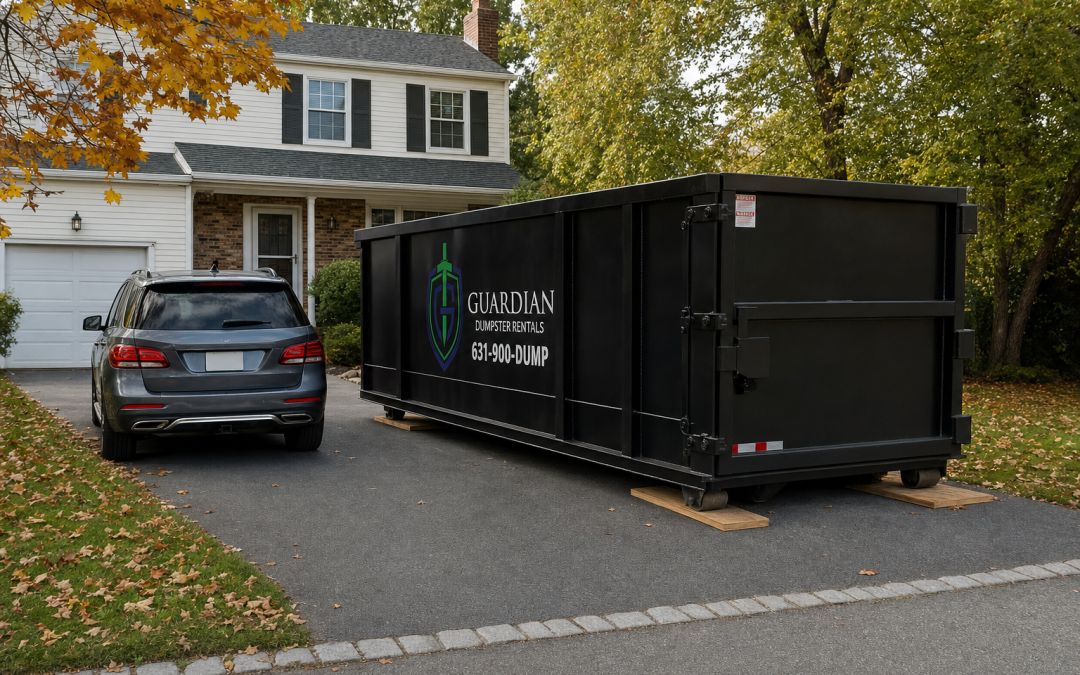
Living With a Residential Dumpster Rental During a Remodel
A residential dumpster rental is easiest to live with when you get three things right: the correct container size for your project, a placement spot that protects your driveway and keeps access clear, and consistent loading habits so debris goes in the box daily instead of piling up around it.
Key takeaways
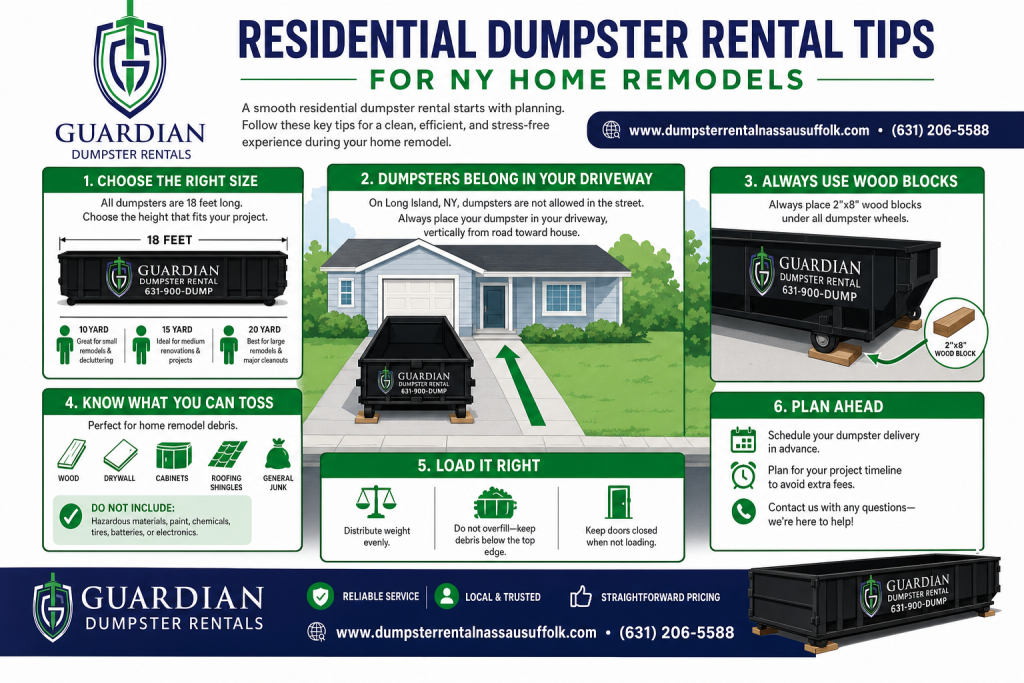
- Place your dumpster on plywood or boards to protect your driveway from cracks and scrapes during a multi-week remodel.
- Right-size your rental: a 10-yard dumpster fits most single-room NY remodels, while whole-home projects usually need 20 yards or more.
- Talk to neighbors before delivery and confirm whether your town or HOA requires a permit for street or driveway placement.
- Load heavy debris like tile and plaster evenly and keep materials below the fill line to avoid overage fees and pickup refusals.
- Schedule delivery for the day demolition starts, not before, so the dumpster occupies your driveway for the shortest time possible.
If you’ve never had a dumpster in your driveway before, the first thing to understand is that it’s not a weekend guest — for a kitchen gut, bathroom remodel, or whole-house refresh, that steel box may be part of your property for several weeks. That changes how you park, how you take out the trash, and even how your neighbors see your house. The homeowners who have the smoothest experience treat the dumpster like part of the project plan, not an afterthought tossed in the day before demo starts.
The Three Levers That Keep It Manageable
- Right size. A container that’s too small means paying for a swap-out mid-project; one that’s too large eats your driveway for no reason. Matching the box to the scope of your remodel is the single biggest decision you’ll make.
- Smart placement. Where the dumpster sits determines whether your cars can get out, whether the delivery truck has room to drop and pick up, and whether your driveway surface survives the rental period unscathed.
- Disciplined loading. Loading flat and tight, keeping prohibited items out, and never letting debris rise above the rim prevents overage fees, refused pickups, and the classic mistake of running out of room with a week of demolition still to go.
These three levers are connected. A well-sized roll off dumpster rental in West Islip, for example, still becomes a headache if it’s parked where it blocks the garage or if loose debris gets tossed in randomly and wastes half the container’s capacity. Get all three right, and the dumpster fades into the background of your remodel — exactly where it belongs.
Set Expectations Before Delivery Day
Before the truck arrives, walk your property and think through the full rental period: where the container will sit, how you’ll protect the surface under it, and who on your crew or in your household is allowed to load it. If you’re arranging a dumpster rental in Amityville New York or anywhere else on Long Island, it also pays to ask your provider up front about weight limits, rental duration, and what materials they won’t accept.
The sections below break down each of these decisions — sizing, placement, neighbor relations, prohibited items, and loading technique — so you can plan the dumpster as carefully as you’ve planned the remodel itself.
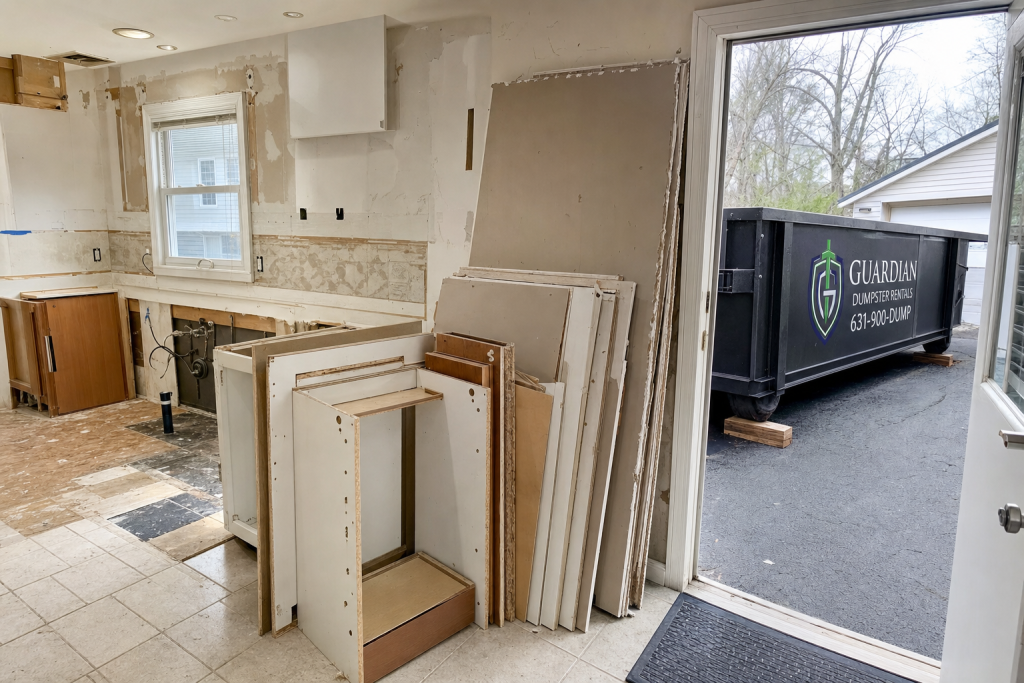
What Size Dumpster Do I Need for a Home Remodel? A Residential Dumpster Rental Sizing Guide
For most home remodels, a 10 yard dumpster handles a bathroom refresh or small kitchen, a 20 yard covers a full kitchen or multi-room remodel, and a 30 yard suits a whole-home renovation. When in doubt, size up one level — a second haul almost always costs more than the next size container.
Container Sizes Table
| Size | Approximate Footprint | Best For | Holds Roughly |
|---|---|---|---|
| 10 Yard | About 12 ft long x 8 ft wide x 3.5 ft high | Bathroom refresh, small kitchen, single-room flooring tear-out | 3–4 pickup truck loads |
| 20 Yard | About 16–22 ft long x 8 ft wide x 4–4.5 ft high | Full kitchen gut, multi-room remodel, large deck removal | 6–8 pickup truck loads |
| 30 Yard | About 22 ft long x 8 ft wide x 6 ft high | Whole-home renovation, major additions, full gut jobs | 9–12 pickup truck loads |
Will It Actually Fit in a New York Driveway?
The good news for Long Island homeowners: even a 30 yard container is only about 8 feet wide, so it fits within a standard two-car driveway’s width. Length is the real question. A typical suburban driveway runs 18 to 25 feet from sidewalk to garage, which means a 10 yard container leaves plenty of breathing room, while a 20 or 30 yard may take up the full run. Measure your driveway before you book so the delivery driver isn’t improvising on arrival.
For smaller projects like a single bathroom or a hall-and-stairs flooring job, a compact 10 yard dumpster rental in Islip keeps the footprint tight and still leaves room to park a car alongside it.
How to Estimate Your Debris Volume
- Count the rooms being gutted. A full room tear-down to the studs generally fills far more space than homeowners expect once drywall, framing scraps, and old fixtures pile up.
- Factor in heavy materials. Tile, plaster, and cabinetry are bulky and dense — a kitchen remodel with tile floors fills a container faster than one with vinyl.
- Add a buffer for surprises. Remodels routinely uncover old subfloor, water-damaged framing, or extra layers of flooring that add volume mid-project.
- Think about weight limits, not just volume. Dense debris like concrete or tile can hit the weight cap before the container looks full, so mention heavy materials when you order.
Full kitchen renovations are the most common mid-size project we see, and a 20 yard dumpster rental in Commack is the workhorse choice for that job — big enough for cabinets, countertops, appliances, and flooring without dominating the entire driveway.
Where Should I Put a Dumpster on My Driveway?
Place the dumpster on the flattest, most level part of your driveway, close enough to the street for easy pickup but far enough from the garage that you can still park and open doors. Lay plywood under the container’s rails to protect the surface, and keep the loading area clear of overhead wires and tree limbs.
That’s the short answer — but a little planning before the truck arrives saves you weeks of daily hassle. Here’s how to think through the spot.
Leave Room for Everyday Life
Most home remodels run several weeks, and the dumpster will be there the whole time. Before delivery, back your cars in and out and note where you actually need clearance. A good placement lets you:
- Get at least one vehicle in and out without a three-point turn
- Open garage doors fully — swing-out doors need extra buffer
- Walk a wheelbarrow or hand truck from the work zone to the dumpster’s rear door without squeezing past cars
- Keep the container off the sidewalk and out of the street, which can trigger local permit requirements in many New York towns and villages
Protect Your Driveway Surface
A loaded dumpster concentrates a lot of weight on narrow steel rails or wheels. On asphalt — especially asphalt that’s been softened by a warm afternoon or weakened by early frost heave — that pressure can leave dents or scrapes. The fix is cheap: lay sheets of plywood (three-quarter inch works well) where the container will sit and where the roll-off truck’s rear wheels will track. Companies that handle dumpster rental in Commack New York and surrounding areas see driveway damage complaints most often when homeowners skip this step, so ask your hauler whether they carry boards or if you should have your own ready.
Watch What’s Above, Not Just Below
The truck needs significant vertical clearance to tilt the container off and back on. Look up before you pick a spot: low-hanging service wires, cable lines, and mature tree branches over the driveway can all block delivery or pickup. If your driveway runs under wires near the house, position the dumpster on the outer stretch closer to the street.
Why Fall Placement Takes Extra Care
This time of year on Long Island, two seasonal factors matter more than usual:
- Leaf buildup: Wet leaves under the rails make the container prone to shifting when the truck winches it up, and they hide cracks or soft spots in the pavement. Rake the footprint clean before delivery.
- Early frost and drainage: Water that pools around the base can freeze overnight, creating slick footing right where you’ll be carrying debris. Pick a spot that drains, not the low corner of the driveway.
Smaller containers are naturally easier to position on tight suburban driveways — something to keep in mind if you’re comparing options like a 10 yard dumpster rental in Dix Hills against larger sizes. A compact footprint often means you keep full use of the garage for the whole project.
How Do I Keep a Dumpster From Annoying My Neighbors?
Give neighbors a heads-up before the dumpster arrives, keep all debris below the container walls, tarp the load so wind can’t scatter lightweight scrap, hold off on noisy loading until mid-morning, and never let overflow spill onto sidewalks or shared property lines. A little courtesy prevents complaints, code-enforcement calls, and strained relationships that outlast the remodel.
In tight New York neighborhoods, a dumpster in the driveway is impossible for anyone next door to miss. The good news is that most neighbor friction is completely avoidable with a few simple habits from delivery day to pickup.
Give a Heads-Up Before Delivery Day
Roll-off trucks are big, loud, and need room to maneuver. A quick knock or text a day or two before delivery lets neighbors move cars off the street, plan around the noise, and feel respected instead of blindsided. If your driveways sit close together, mention roughly how long you expect the container to stay. Homeowners arranging a dumpster rental in Commack, New York often find that this one conversation eliminates nearly every complaint before it starts.
Keep Everything Inside the Walls — and Under a Tarp
Debris piled above the rim isn’t just a hauling problem; it’s a neighborhood problem. Loose insulation, plastic sheeting, cardboard, and sawdust are exactly the kind of lightweight scrap that fall winds off the Sound or the South Shore love to fling into adjacent yards. Protect yourself with these habits:
- Load below the fill line so nothing can blow or bounce out.
- Tarp or net the top at the end of every work day, especially before windy nights.
- Bag small, light debris before tossing it in, so a gust can’t lift it.
- Do a quick perimeter walk each evening and pick up anything that escaped.
Watch the Clock on Loading Noise
Tossing broken tile and old cabinets into a steel container is loud. Avoid loading before mid-morning on weekdays and even later on weekends. Many Long Island towns also have local noise ordinances, so keeping heavy demolition tosses to reasonable daytime hours protects you on two fronts. Crews handling a dumpster rental in Bay Shore, New York typically batch their noisy loading into one midday session rather than trickling it out from dawn to dusk — a habit worth copying.
Respect Sidewalks and Property Lines
Never let overflow creep onto the sidewalk, the street, or a shared property line. Blocked sidewalks are a tripping hazard, a liability issue, and one of the fastest ways to generate a call to code enforcement. If the container is filling faster than expected, schedule a swap-out rather than stacking debris beside it. A clean footprint around the dumpster signals to everyone on the block that your project is under control.
What Can’t Go in a Residential Dumpster Rental?
Most residential dumpster rentals prohibit brick, concrete, dirt, and yard waste — including raked leaves and downed branches. Hazardous items like paint, chemicals, batteries, tires, and appliances with refrigerant are also off-limits. Standard remodeling debris such as drywall, lumber, flooring, cabinets, and fixtures is fine. Loading prohibited items can mean extra fees or a rejected pickup.
It surprises a lot of homeowners that the heaviest, most “normal” seeming materials are the ones that cause problems. Dumpster limits exist for two reasons: weight and disposal rules. Dense masonry and soil can push a container past legal road weight before it’s even half full, and certain materials are handled at different facilities than mixed construction debris.
Materials to Keep Out
- Brick, block, and concrete — too heavy for a standard mixed-debris container; these usually require a dedicated clean-fill load.
- Dirt, sod, and gravel — same weight problem, and mixing soil with debris can get an entire load rejected at the transfer station.
- Yard waste — a key reminder for fall remodels in New York: raked leaves, downed branches, and hedge trimmings stay out. Yard waste is typically processed separately, so use your town’s curbside pickup instead.
- Hazardous materials — wet paint, solvents, oil, chemicals, propane tanks, and batteries.
- Tires and refrigerant appliances — refrigerators, freezers, and air conditioners generally need special handling.
What Remodeling Debris IS Fine
The good news is that nearly everything a typical kitchen, bathroom, or basement remodel generates is acceptable: drywall, wood framing and trim, cabinetry, countertops, flooring, tile in modest amounts, doors, windows, insulation, and non-refrigerant fixtures. If you’re gutting a bathroom in western Suffolk, a dumpster rental in Bay Shore, New York sized for mixed debris will handle all of it without issue.
Roofing tear-off material is a special case. Asphalt shingles are accepted, but they’re heavy, so providers often recommend a container dedicated to shingles rather than mixing them with lighter remodel debris. A purpose-matched roofing dumpster rental in Dix Hills or a similar shingle-specific setup keeps you within weight limits and avoids overage charges.
When in Doubt, Ask Before You Toss
Every hauler’s list varies slightly, and some items — like small quantities of tile or a single mattress — may be allowed for a modest surcharge. The cheapest mistake to avoid is burying a prohibited item under a full load: if the driver spots it at pickup, you may have to dig it out yourself before the container leaves. A two-minute phone call before your remodel starts is the easiest way to keep your project on schedule and your final invoice matching the original quote.
How Do I Load a Dumpster to Get the Most Out of It?
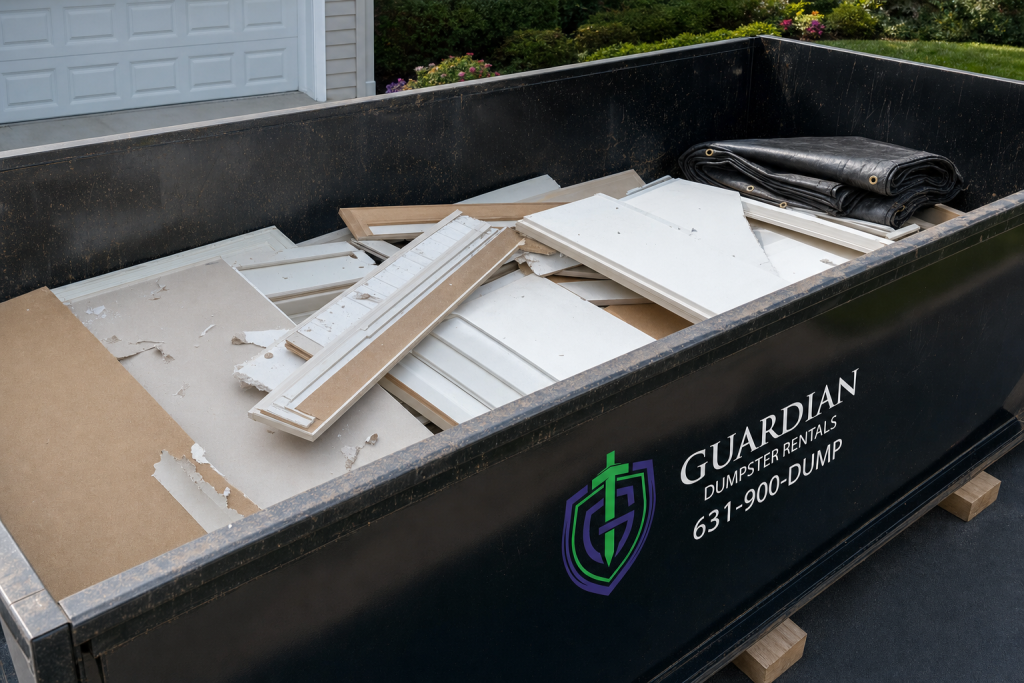
Load flat, heavy items like doors, plywood, and countertops on the bottom first, break down cabinets and drywall so they lie flat, fill gaps with small debris as you go, and keep everything below the fill line. Pacing your demo in phases lets one container handle the entire remodel without a mid-job swap.
A dumpster loaded carelessly can fill up in a weekend even though half its volume is trapped air. A dumpster loaded with a plan can absorb weeks of remodel debris. The difference is technique and timing.
Load Flat and Heavy First
Start with the flattest, densest materials: old doors, sheets of plywood, countertops, and tile. Laying these flat across the floor of the container creates a stable base and keeps the weight low, which also makes the dumpster safer to haul. Bulky appliances or vanities should sit on this base rather than on top of loose debris where they’ll rock and waste space.
Break Everything Down
Whole cabinets are mostly empty space. Take a few minutes with a pry bar or mallet to knock cabinet boxes flat, remove doors and drawers, and stack the panels. Score and snap drywall into manageable sheets instead of tossing jagged chunks. Cut lumber to shorter lengths so pieces lie flush instead of crisscrossing and creating voids beneath them.
Fill the Voids as You Go
Treat the container like a puzzle. After each layer of flat material, tuck smaller debris — trim, insulation scraps, bagged plaster dust — into the gaps before starting the next layer. A steady habit of void-filling can meaningfully stretch capacity; a compact 10 yard dumpster rental in Commack that’s loaded this way often outperforms a sloppily loaded larger box.
Stay Below the Fill Line
Every roll-off has a marked maximum fill line, and haulers cannot legally transport an overfilled container. Debris above the rim risks falling off in transit and can mean overage fees or a refused pickup. If you’re approaching the line, stop and re-pack rather than piling higher.
Pace Your Demo in Phases
For a multi-week remodel, resist the urge to gut everything at once. Demo one area, load it tightly, then move to the next. This keeps your driveway workable and helps a mid-size container — like a 20 yard dumpster rental in Amityville — cover a kitchen and bath project without a costly mid-job swap-out.
Finally, before anything goes in the box, pull out materials worth keeping. Intact cabinets, fixtures, and lumber can often be donated or reused, and the EPA’s guidance on reusing and recycling construction and demolition materials is a good starting point. Diverting salvageable items frees up container space for the debris that truly has nowhere else to go — the cheapest cubic yard in any residential dumpster rental is the one you never fill.
7-14 days for most residential projects
Typical rental period
About 8 feet — roughly one car-width of driveway
Standard dumpster width
Filling above the marked line or exceeding weight limits
Common overage trigger
Driveway placement rarely needs one; street placement often does in NY municipalities
Permit rule of thumb
Residential Dumpster Rental Sizes for Common NY Home Remodel Projects
| Dumpster Size | Best For | Approx. Footprint | Typical Capacity |
|---|---|---|---|
| 10-yard | Bathroom or small kitchen remodel | About 12 ft x 8 ft | Roughly 3 pickup truck loads |
| 15-yard | Flooring removal or medium kitchen gut | About 14 ft x 8 ft | Roughly 4-5 pickup truck loads |
| 20-yard | Multi-room renovation or roofing tear-off | About 16 ft x 8 ft | Roughly 6 pickup truck loads |
| 30-yard | Whole-home remodel or major addition | About 22 ft x 8 ft | Roughly 9 pickup truck loads |
Illustrative Example: A Two-Bathroom Remodel in a Tight Suburban Driveway
Illustrative example
Consider a hypothetical Long Island homeowner renovating two bathrooms while the family stayed in the house. Rather than defaulting to the biggest container, they chose a 15-yard dumpster placed on plywood at the driveway's edge, leaving room for one car and keeping it off the street entirely. They gave next-door neighbors a heads-up on the delivery date and timed the drop-off for the morning demolition began. By loading heavy tile and plaster evenly across the bottom and scheduling pickup the day after demo wrapped, they avoided overage issues and had their full driveway back within ten days. This composite scenario reflects common outcomes when homeowners plan placement, sizing, and timing together.
Frequently asked questions
How much does a residential dumpster rental cost for a home remodel in New York?
Costs vary widely based on dumpster size, rental length, your location, and the type of debris. Most companies quote a flat rate that includes delivery, pickup, a set rental period, and a weight allowance, with overage fees if you exceed the tonnage cap. Get quotes from two or three local providers, ask exactly what the price includes, and confirm fees for extra days or heavy materials like concrete before booking.
What size dumpster do I need for a kitchen or bathroom remodel?
Bathroom remodels and small single-room projects usually fit in a 10-yard dumpster. Kitchen remodels, which involve cabinets, countertops, and flooring, often need a 15- or 20-yard container. Whole-home renovations typically call for 20 to 30 yards. When in doubt, size up one level—paying for unused space is almost always cheaper than ordering a second dumpster or paying overage fees.
Do I need a permit to put a dumpster in my driveway in New York?
If the dumpster sits entirely on your own driveway or private property, most municipalities don't require a permit. If any part of it sits on the street, sidewalk, or public right-of-way, you'll typically need a permit from your city or town. Rules vary by municipality in New York, so call your local building or public works department before delivery day to avoid fines or forced removal.
Will a dumpster damage my driveway, and how do I prevent it?
A loaded dumpster can crack asphalt, scratch concrete, or leave rust stains, especially in summer heat when asphalt softens. Ask the driver to place plywood boards or wooden planks under the container's wheels and rails to spread the weight. Avoid placing dumpsters on newly poured or sealed driveways, and don't overload beyond the weight limit, which concentrates pressure on contact points.
How long can I keep a rental dumpster during a remodel?
Standard rental periods usually run from a few days to about two weeks, depending on the company. Most providers let you extend for a daily fee, and some offer longer-term rentals for ongoing renovations. If your remodel timeline is uncertain, ask about extension costs upfront and whether you can schedule pickup with short notice—flexibility varies a lot between companies.
What can't I throw in a residential dumpster?
Prohibited items typically include paint, solvents, motor oil, batteries, propane tanks, tires, asbestos-containing materials, refrigerators and other appliances with refrigerants, and electronics in some areas. These can trigger extra fees or refusal of pickup. Heavy materials like concrete, dirt, or shingles may be allowed but often require a special dumpster or lower fill line. Always ask your rental company for their specific prohibited items list.
How do I keep neighbors from complaining about my dumpster?
Give neighbors a heads-up before delivery, including how long you expect the project to last. Keep the dumpster on your property, don't block shared driveways or sightlines, and never let debris pile above the rim where wind can scatter it. Cover the dumpster with a tarp if it will sit for weeks, and never let anyone dump into it—or assume they can. A little communication prevents most disputes.
What happens if my dumpster is overweight when it's picked up?
The hauler weighs the container at the disposal facility, and if it exceeds your included tonnage, you'll be billed an overage fee per additional ton. Heavy debris like tile, plaster, concrete, and wet materials add weight fast. To avoid surprises, ask your provider what your weight limit is, spread heavy materials across multiple loads if needed, and keep the dumpster covered so rain doesn't soak the contents.
Should I rent a dumpster myself or let my contractor handle it?
If your contractor includes debris removal in their bid, letting them handle it is simpler and puts liability on them. Renting it yourself can save money, but you become responsible for permits, placement, weight limits, and prohibited items—including anything the crew tosses in. If you rent it yourself, put clear rules in writing with your contractor about what goes in the dumpster and who pays overage fees.
What are the biggest mistakes homeowners make with dumpster rentals?
The most common mistakes are ordering too small a size, scheduling delivery before demolition actually starts (wasting rental days), blocking their own garage access, skipping driveway protection, overfilling above the rim, and tossing prohibited items that trigger fees. Another frequent one is not confirming pickup logistics—an overloaded or blocked dumpster can't be hauled away, leaving it in your driveway longer and costing you extra days.
Related local pages
- Dumpster Rental Amityville New York
- Dumpster Rental Islip New York
- Dumpster Rental West Babylon New York
Remodeling this fall? Call us to reserve a 10, 20, or 30 yard residential dumpster with driveway-friendly delivery anywhere in NY. Get in touch.
Last updated: September 17, 2026
Recent Comments