
Roll Off Dumpster Rental in NY: What to Expect
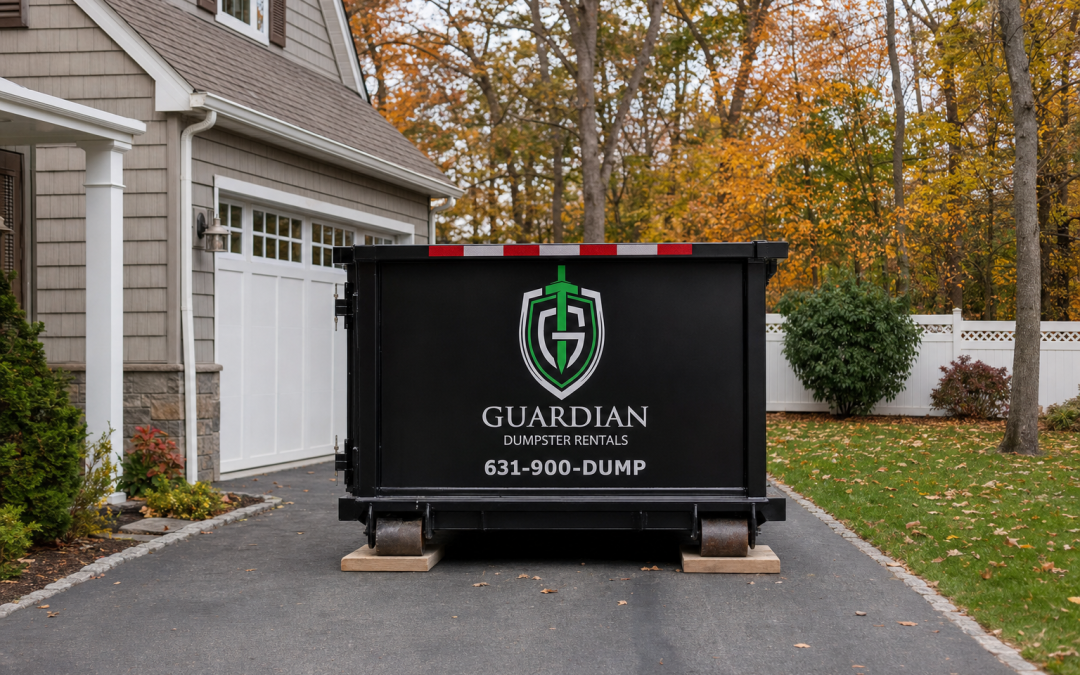
How Does Roll Off Dumpster Rental Work for a NY Remodel?
Roll off dumpster rental works in five simple steps: you order a container sized for your project (10, 20, or 30 yard), it’s delivered to your driveway, you fill it as demo progresses, request a swap-out if it fills early, and schedule final pickup when the job wraps. The whole process is built around your remodel timeline.
Key takeaways
- Most NY roll off dumpster rentals include a standard 7-14 day rental period, with daily extension fees if you need more time.
- A swap-out means the hauler picks up your full dumpster and drops an empty one in the same trip, usually with 24-48 hours' notice.
- Choose between a 10 yard, 20 yard, or 30 yard container based on project scope — a 20 yard handles most whole-room remodels.
- Brick, concrete, dirt, and yard waste are not allowed in the dumpster, so plan a separate disposal route for those materials.
- For final pickup, keep the dumpster filled level with the top rim and clear of vehicles or obstructions so the driver can haul it on schedule.
If you’ve never rented a dumpster before, the good news is that the process is far less complicated than most homeowners expect. Once you understand the lifecycle, you can plan your remodel around it instead of scrambling for debris removal mid-project.
The Rental Lifecycle, Step by Step
- Ordering: You call or book online, describe your project, and choose a 10, 20, or 30 yard container. A kitchen gut, bathroom remodel, and whole-home renovation each point to a different size.
- Delivery: The driver rolls the container off the truck onto your driveway or another approved spot. Clear a space ahead of time and mark exactly where you want it placed.
- Loading: You fill the dumpster at your own pace during the rental period. Load heavy items first, break down bulky pieces, and keep debris level with the top rim.
- Swap-outs: If your project generates more debris than expected, the company hauls away the full container and drops an empty one in its place so demo never stalls.
- Final pickup: When the remodel is done, you call for pickup, the container is hauled off, and the debris is disposed of properly.
Homeowners planning a kitchen or basement project often start with a local roll off dumpster rental in Lindenhurst to get sizing advice specific to their debris type before committing to a container.
Why Fall Is a Smart Window for a NY Remodel
Timing matters more in New York than in milder climates. Scheduling your remodel and dumpster delivery in the fall gives you several practical advantages:
- Clear driveway placement: Snow and ice make it harder for delivery trucks to position a container safely, and a buried dumpster is difficult to load.
- Easier hauling: Carrying demo debris across a dry driveway beats trudging through slush with armloads of drywall and old cabinetry.
- Beating the freeze: Wet debris left in a container over winter can freeze into a solid mass, complicating disposal at pickup.
- Contractor availability: Wrapping up demolition before the holidays keeps your project on schedule heading into the new year.
Availability and delivery windows can vary by town, so it pays to book early in the season. Providers offering roll off dumpster rental near West Islip and surrounding communities typically see demand climb as homeowners rush to finish projects before winter.
In the sections below, we’ll walk through choosing between a 10, 20, or 30 yard container, how long you can keep it, and what to expect at swap-out and final pickup.
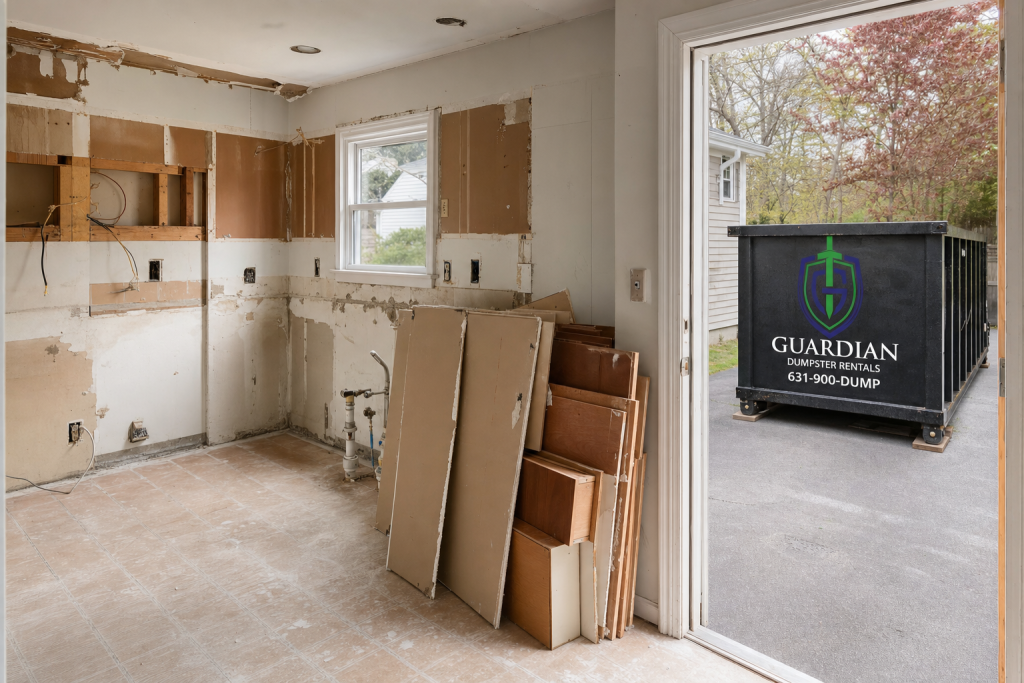
What Size Dumpster Do I Need for Roll Off Dumpster Rental: 10, 20, or 30 Yard?
For most NY remodels, a 10 yard dumpster handles a bathroom gut, a 20 yard suits a full kitchen renovation, and a 30 yard covers a whole-floor remodel with cabinetry and drywall. When you’re on the fence between two sizes, go with the larger one — a second haul costs more than the size upgrade.
Container Sizes Table
| Size | Approximate Capacity | Best For |
|---|---|---|
| 10 Yard | About 3 pickup truck loads | Bathroom gut, small closet or laundry room demo, flooring removal from one or two rooms |
| 20 Yard | About 6 pickup truck loads | Full kitchen renovation, multi-room flooring tear-out, medium basement cleanout during a remodel |
| 30 Yard | About 9 pickup truck loads | Whole-floor remodel with cabinetry, drywall, and trim; large additions or gut renovations |
10 Yard: The Bathroom Gut Standard
A 10 yard container is compact enough to fit in a standard driveway, which matters on tighter Long Island lots. It comfortably swallows an entire bathroom demo — old vanity, tub or shower surround, tile backer board, fixtures, and drywall scraps. Homeowners tackling a single-room project often start with a 10 yard dumpster rental in Commack and find it’s exactly right for the job.
20 Yard: The Kitchen Renovation Workhorse
Kitchens generate more debris than people expect. Between old cabinets, countertops, flooring, drywall, and appliance packaging from the new install, a 10 yard fills up fast. The 20 yard gives you room for the full tear-out plus the mess that accumulates during the rebuild phase, without taking up dramatically more driveway space.
30 Yard: Whole-Floor Remodels
If you’re gutting an entire floor — pulling cabinetry, drywall, trim, doors, and flooring from multiple rooms — the 30 yard is the practical choice. Bulky, lightweight materials like drywall and cabinet boxes eat up volume quickly, and this size keeps the project moving without constant trips to compress the load. For larger projects like these, a roll off dumpster rental in West Islip at the 30 yard size is the typical recommendation.
Quick Rules of Thumb
- One room of demo debris: 10 yard
- One large room or two smaller rooms: 20 yard
- Three or more rooms, or anything involving full cabinetry and drywall removal: 30 yard
- Bulky-but-light materials (drywall, cabinets, trim) fill space faster than you’d guess — size up when in doubt
Remember that all loads must stay level with the top rim of the container for safe hauling, so factor that into your volume estimate rather than planning to pile debris above the sides.
How Long Can I Keep a Roll Off Dumpster?
Most roll off dumpster rental periods in New York run 7 to 14 days, with many local haulers offering flexible extensions for a modest daily fee. If your remodel runs long, a quick call before your scheduled pickup date is usually all it takes to keep the container on site.
That said, rental terms vary from company to company, so it pays to confirm the details before the truck ever arrives. Here’s how the timing typically works and how to plan around it.
Standard Rental Periods
The included rental window is the number of days the dumpster can sit in your driveway before extension charges apply. For most residential remodels, a one- to two-week window is standard, and it’s usually enough time for demolition, cleanup, and a final walkthrough of the work area. Companies that handle residential dumpster rental in Dix Hills and surrounding Suffolk County towns will typically confirm your included days in writing when you book, so ask for that upfront.
How Extensions Work
If your project stretches past the included period, extensions are almost always available. Here’s what to expect:
- Call before your pickup date. Extending in advance is simple; rescheduling a truck that’s already been dispatched is not.
- Daily extension fees. Most haulers charge a flat per-day rate for extra days rather than requiring a whole new rental period. Ask for the exact figure when you book so there are no surprises.
- No maximum in many cases. As long as you’re paying the daily rate and the container isn’t overloaded, most companies are happy to leave it in place.
Fall Timing Tips for NY Projects
If you’re renting in autumn, a little planning saves real money. Providers offering dumpster rental in Commack New York and across Long Island tend to see schedules tighten as homeowners rush to finish projects before winter, so book delivery and pickup dates early.
- Schedule around early cold snaps. A hard freeze can lock wet debris into a solid mass and complicate pickup. If frigid weather is in the forecast, try to have the container hauled away beforehand.
- Keep the dumpster tarped. An uncovered 10, 20, or 30 yard container collects rain and wind-blown leaves fast. Water weight counts toward your tonnage at the scale, and since yard waste like leaves isn’t allowed in the dumpster anyway, a tarp keeps both out.
- Don’t let it sit idle. Every extra day is an extra chance for weather to add weight. Once you’re done loading, call for pickup rather than letting the container ride out another storm.
Bottom line: know your included rental days, confirm the daily extension rate before you sign, and keep the container covered through fall weather. Do those three things and the timing side of your rental will be the easiest part of the remodel.
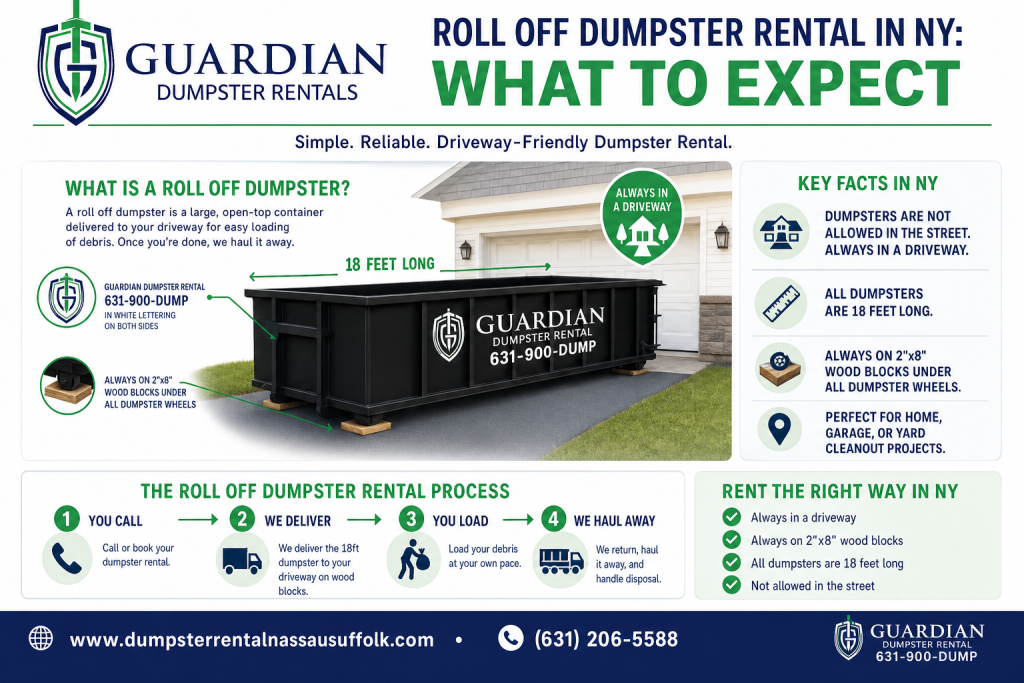
How Do Swap-Out Deliveries Work Mid-Project?
A swap-out is a mid-project exchange: the hauler picks up your full roll off dumpster and drops an empty one in the same spot, usually on the same trip. It keeps a remodel moving without a gap in disposal. Most companies ask for at least 24 to 48 hours of notice to schedule the exchange.
Swap-outs matter most on remodels that generate debris in waves rather than one big pile. Instead of renting an oversized container that sits half-empty for weeks, many homeowners run a 10 or 20 yard container and swap it as each phase fills it. If you’re comparing options, a local roll off dumpster rental in Babylon NY provider can tell you whether swap-outs or a single larger container makes more sense for your project.
How Much Lead Time Should You Give?
Call your hauler as soon as the container is roughly three-quarters full — don’t wait until it’s overflowing. In practice, that means:
- Give 24 to 48 hours of notice for a standard swap-out; more during busy spring and summer weeks.
- Keep the driveway or placement area clear on swap day so the truck can lift the full box and set the empty one without obstacles.
- Confirm whether the replacement will be the same size or a different one — you can often step down from a 30 yard to a 20 yard, or up from a 10 yard, depending on the next phase.
Staging Debris Between Swaps
There’s often a short window between the full container leaving and the empty one arriving, or between phases when no container is on site. Plan for it:
- Stack debris in a designated corner of the garage, driveway, or a tarped area rather than scattering it around the work zone.
- Break down bulky items — cabinets, framing lumber, packaging — so they load flat and fast when the fresh container lands.
- Keep prohibited materials separated as you go, so nothing has to be pulled back out of the new container later.
How NY Contractors Sequence Swap-Outs
Contractors on Long Island typically time swap-outs around the natural rhythm of a remodel. The demo phase fills a container fastest, so the first swap usually happens right after demolition wraps. The second container handles drywall scraps, old fixtures, and rough-in debris. A final, smaller container — often a 10 yard — covers trim cuttings, flooring offcuts, and packaging during the finish phase. Homeowners managing their own projects can follow the same playbook, and a company handling residential dumpster rental in Dix Hills and surrounding towns can help you map container sizes to each phase before work begins.
The main mistake to avoid is letting the crew idle because the container filled up unexpectedly. Track fill level daily, call early, and the swap becomes a seamless part of the schedule rather than a delay.
What Can’t Go in the Dumpster During a Remodel?
Four materials are never allowed in your dumpster: brick, concrete, dirt, and yard waste. Also prohibited are hazardous items like paint, chemicals, batteries, tires, and appliances with refrigerant. Overfilling past the top rail or exceeding the weight limit leads to extra charges or a refused pickup, so load carefully.
The Four Hard No’s: Brick, Concrete, Dirt, and Yard Waste
These four materials are prohibited in every load, no exceptions. Brick, concrete, and dirt are extremely dense — even a partial load can push a container past legal road-weight limits, which means the truck can’t safely haul it. Yard waste is the one that trips up homeowners most, especially in the fall. When your remodel wraps up in October and the lawn is buried in leaves, it’s tempting to toss a few bags on top of the drywall scraps. Don’t. Leaves, branches, grass clippings, and stumps must be handled through your town’s yard waste collection or a separate green-waste program, not your remodel dumpster.
Other Restricted Materials
Beyond the four hard no’s, keep these out of the container:
- Paints, stains, and solvents — even partially empty cans
- Household chemicals — cleaners, pesticides, pool chemicals
- Batteries and electronics — many NY towns run e-waste drop-off days
- Tires — landfills won’t accept them in mixed loads
- Appliances containing refrigerant — fridges, freezers, and AC units need certified handling
- Propane tanks and fuel containers — pressurized or flammable items are a safety hazard
If you’re unsure whether something qualifies as acceptable construction debris removal in Amityville or elsewhere on Long Island, ask before you load it. A quick phone call is far cheaper than a contaminated-load fee.
Overfill and Weight Rules
Every container has a fill line — typically the top rail. Nothing can stick up above it, and nothing can hang over the sides. Drivers are required to tarp loads before hauling, and an overfilled dumpster can’t be tarped or transported legally. If your load is over the line at pickup, you’ll either need to remove material yourself or pay for the driver to return after you’ve leveled it off.
How Contamination and Overweight Loads Hit Your Bill
When a prohibited item turns up in the load, the disposal facility flags it, and the sorting or special-handling cost gets passed back to you as a contamination fee. Overweight loads work similarly: your rental includes a tonnage allowance, and anything beyond it is billed per ton at final weigh-in. Heavy remodel debris — tile, plaster, wet drywall — adds up faster than most homeowners expect, which is one reason companies offering roll off dumpster rental in Babylon NY recommend spreading dense materials evenly across the floor of the container rather than piling them in one corner. Load smart, stay under the rail, and keep the four prohibited materials out — your final invoice will thank you.

What Happens at Final Pickup — and How Do I Avoid Extra Fees During Roll Off Dumpster Rental?
At final pickup, you call in the haul, the driver inspects the load for prohibited items and overfilling, hooks the container, and takes it to the disposal facility for weighing. To avoid extra fees, keep debris below the fill line, exclude banned materials, and clear vehicles and low branches from the truck’s path before the scheduled pickup.
Step 1: Call In the Pickup
Most companies ask for at least 24 to 48 hours’ notice before pickup. When you call, confirm the address, the container size — whether it’s a 10, 20, or 30 yard box — and any access instructions. If you finished early, calling promptly can sometimes end your rental period sooner; if you’re running behind, this is the moment to ask about an extension rather than risk daily overage charges.
Step 2: Check the Fill Line and Contents
Every roll off dumpster has a marked fill line, and drivers are required to tarp loads before driving on public roads. If debris sticks up above the rim, the driver may ask you to remove the excess or decline the haul entirely, which usually triggers a trip fee. Do a final walk-around and pull out anything hanging over the sides. Also double-check that no prohibited items ended up in the box — providers offering construction debris removal in Amityville and across Long Island routinely flag contaminated loads, and sorting fees at the facility get passed back to you.
Step 3: Clear the Truck’s Path
The roll off truck needs a straight, unobstructed approach to lift the container. Before the driver arrives:
- Move all vehicles away from the driveway and the street directly in front of the dumpster
- Check for low-hanging branches or wires — the truck bed tilts high when loading the box
- Remove ladders, material stacks, or debris piles blocking the container
- Make sure nothing is leaning against the dumpster itself
A blocked container is one of the most common causes of a failed pickup, and most companies charge a dry-run fee when the driver has to leave empty-handed.
Step 4: Weighing and the Final Invoice
After the haul, the truck crosses a certified scale at the disposal or transfer facility. Your rental typically includes a weight allowance based on container size; tonnage above that allowance is billed per ton on your final invoice, usually with a copy of the scale ticket. Much of what leaves a remodel can be recycled — the EPA’s guidance on construction and demolition materials explains how facilities recover materials like wood, metal, and drywall.
Fee structures vary by hauler and town, so ask for the weight allowance and overage rate in writing before delivery. Local providers of roll off dumpster rental in Babylon NY can quote these numbers upfront, so the final invoice holds no surprises.
7-14 days included with most rentals
Typical rental period
Usually 24-48 hours ahead
Swap-out notice
10, 20, and 30 yard containers
Available sizes
Brick, concrete, dirt, and yard waste
Not allowed
Roll Off Dumpster Rental Sizes for NY Remodeling Projects
| Container Size | Typical Projects | Approximate Capacity | Good to Know |
|---|---|---|---|
| 10 Yard | Bathroom remodel, small cleanout, flooring removal | Roughly 3-4 pickup truck loads | Fits in most NY driveways; easiest for tight urban spots |
| 20 Yard | Kitchen remodel, whole-room renovation, roofing tear-off | Roughly 6-8 pickup truck loads | The most common choice for mid-size remodels |
| 30 Yard | Multi-room remodel, large cleanout, major construction debris | Roughly 9-12 pickup truck loads | Best for big projects; confirm placement space before delivery |
Illustrative Example: A Two-Phase Kitchen and Bath Remodel
Illustrative example
Consider a hypothetical homeowner in upstate New York tackling a kitchen remodel followed by a bathroom update. They started with a 20 yard roll off dumpster for the kitchen demolition, filled it within the first week, and called their hauler to schedule a swap-out with two days' notice. The full container was hauled away and a fresh 10 yard dumpster was placed for the smaller bathroom phase. Because they kept debris level with the rim and left the driveway clear on pickup day, the final haul-away went off without delays or extra fees. This composite scenario shows how planning swap-outs around project phases keeps a remodel moving smoothly.
Frequently asked questions
How much does a roll off dumpster rental cost in NY?
Pricing varies by container size, rental length, your location, and local disposal fees, so most NY companies quote flat rates that bundle delivery, pickup, a set rental period, and a weight allowance. A 10 yard dumpster costs less than a 20 or 30 yard, but going too small can cost more if you need a swap-out. Get a written quote and ask what triggers overage charges before booking.
How long can I keep a roll off dumpster at my house?
Most rentals include a standard period, often around a week to two weeks, with the option to extend for a daily or weekly fee. If your remodel runs long, call before your rental period ends rather than after — extensions arranged in advance are usually cheaper and easier than dealing with an automatic pickup or late charges.
What happens if my dumpster gets full before my project is done?
Call your rental company and request a swap-out: the driver hauls away the full container and drops an empty one in its place. Each swap typically counts as a new haul with its own disposal charge, so it isn't free. If you expect heavy debris volume, starting with a 20 or 30 yard dumpster instead of a 10 yard often costs less than paying for multiple swaps.
How does final pickup work when I'm done with the dumpster?
You call or go online to schedule the pickup — most companies don't automatically know you're finished. Make sure debris sits below the fill line, nothing hangs over the sides, and the truck has clear access to the container. The driver tarps the load, hauls it to the disposal facility, and you're billed afterward for any overweight or prohibited-item charges found at the scale.
Do I need a permit for a roll off dumpster in NY?
It depends on placement. If the dumpster sits entirely on your private driveway or property, you usually don't need one. If it sits on a public street or sidewalk, most NY municipalities require a permit from the local government. Check with your city or town before delivery, because permit rules, fees, and processing times vary widely across the state.
Should I get a 10, 20, or 30 yard dumpster for a remodel?
A 10 yard suits a single bathroom or small cleanout, a 20 yard handles a kitchen remodel or flooring tear-out across several rooms, and a 30 yard fits whole-home renovations or large gut jobs. When in doubt, size up — the price difference between sizes is usually smaller than the cost of a swap-out or a second rental mid-project.
What can't I put in a roll off dumpster?
This company does not accept brick, concrete, dirt, or yard waste in its dumpsters, and standard prohibited items like hazardous materials, paints, chemicals, batteries, and tires are also off-limits. Loading banned materials can result in extra fees or a refused pickup. If your remodel generates masonry or landscaping debris, ask your provider how to dispose of it separately before you start loading.
What are the most common mistakes people make renting a dumpster?
The big ones: ordering a 10 yard when the job needs a 20 or 30 yard, overfilling past the rim so the driver can't legally tarp the load, blocking truck access on pickup day, tossing prohibited items like concrete or yard waste, and forgetting to schedule the final pickup. Each of these leads to delays or extra charges that are easy to avoid with a little planning.
How far in advance should I schedule a swap-out or pickup?
Call at least a business day or two ahead whenever possible. Same-day swap-outs are sometimes available but never guaranteed, especially during busy remodeling season. Scheduling early keeps your crew working instead of waiting on an empty container, and it gives you time to clear vehicles and obstacles from the delivery spot before the truck arrives.
Will a roll off dumpster damage my driveway?
It can if precautions aren't taken, since a loaded 20 or 30 yard container is heavy and the truck rolls it off on steel rails. Most companies place boards or plywood under the container's contact points to protect the surface — ask if this is included or lay boards down yourself. Avoid placing dumpsters on soft ground, fresh asphalt, or pavers.
Related local pages
- Dumpster Rental Deer Park New York
- Dumpster Rental Lindenhurst New York
- Dumpster Rental Islip New York
Ready to get your remodel rolling? Call us today for fast, straightforward roll off dumpster rental anywhere in NY — we'll help you pick the right size and schedule delivery around your project timeline. Get in touch.
Last updated: September 27, 2026
Recent Comments