
20 Yard Dumpster Cost in NY: Flat Rates & Fees Explained
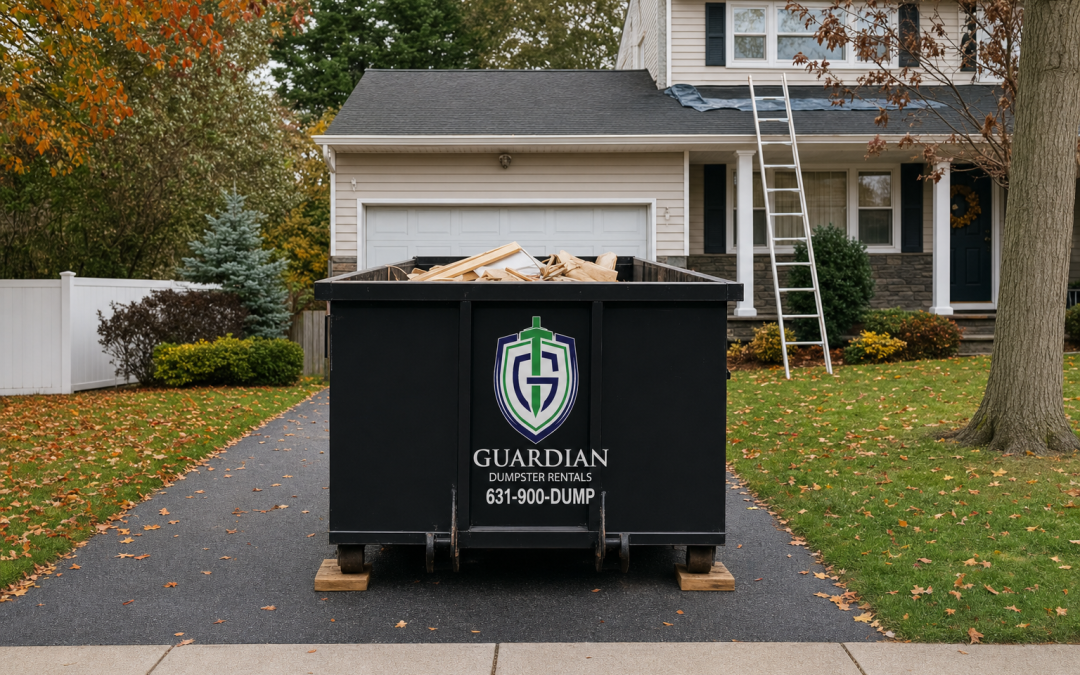
Why the 20 Yard Dumpster Is the Sweet Spot for Mid-Size Remodels
The 20 yard dumpster cost in New York is typically quoted as a single flat rate that bundles delivery, pickup, a set rental period, and a built-in weight allowance. For most kitchen, bathroom, and basement remodels, the 20 yard container holds all of the debris in one haul, making it the most popular mid-size choice for homeowners.
Key takeaways
- A 20 yard dumpster in NY typically rents for a flat rate that bundles delivery, pickup, a set rental period, and a weight allowance of roughly 2 to 3 tons.
- Overage fees apply when you exceed the included weight allowance and are usually billed per ton, so estimating debris weight before booking can save real money.
- The 20 yard size is the sweet spot for mid-size remodels like kitchen gutouts and whole-room renovations, sitting between the compact 10 yard and the large 30 yard.
- Flat-rate pricing in NY varies by county and hauler, so always confirm what tonnage, rental days, and material restrictions are included before you sign.
- Brick, concrete, dirt, and yard waste are not allowed in these dumpsters, so plan separate disposal for any masonry or landscaping debris.
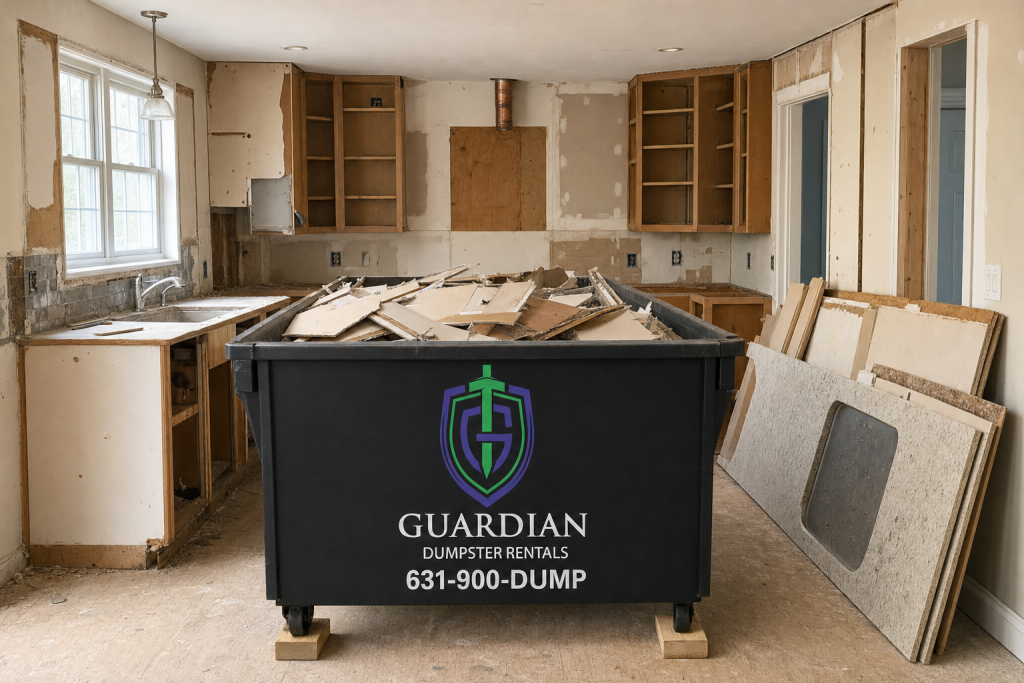
When you gut a kitchen or finish a basement, the debris adds up faster than most people expect. Old cabinets, countertops, drywall, flooring, trim, vanities, tubs, and framing lumber are bulky, awkward items that quickly overwhelm a smaller container but rarely justify the largest one. That is exactly the gap the 20 yard dumpster fills.
What a Mid-Size Remodel Typically Generates
A 20 yard dumpster holds roughly 20 cubic yards of material — about the equivalent of six to eight pickup truck loads. That capacity comfortably covers the debris from projects like:
- Full kitchen remodels: cabinets, countertops, old appliances, drywall, and flooring from the tear-out phase
- Bathroom gut renovations: tubs, vanities, tile backer board, drywall, and fixtures
- Basement finishing or refinishing: old paneling, framing lumber, carpet, and drywall
- Flooring replacement across multiple rooms: carpet, padding, laminate, and underlayment
- Whole-home cleanouts: furniture, boxed household goods, and general junk before a move or sale
Homeowners on Long Island tackling these kinds of projects often start by comparing container sizes, and a 20 yard dumpster rental in Lindenhurst NY is the size most remodeling contractors recommend as the default for a single-room gut or multi-room cleanout.
A Snapshot of NY Flat-Rate Pricing
In New York, most reputable haulers price the 20 yard container as a flat rate rather than an open-ended bill. That flat rate generally includes:
- Drop-off and pickup at your driveway or job site
- A set rental window, commonly several days to a couple of weeks depending on the company
- A weight allowance measured in tons, with a per-ton charge only if you exceed it
- Standard disposal fees for acceptable household and renovation debris
Exact pricing varies by town, disposal facility fees, and how heavy your debris is, which is why quotes differ even between neighboring communities. If your project is further east, a 20 yard dumpster rental in Islip NY follows the same flat-rate structure, so the key is understanding what the rate includes before you book.
The rest of this guide breaks down those numbers in detail — what the flat rate covers, which fees can sneak up on you, and how the 20 yard compares to the 10 and 30 yard options — so you can budget your remodel with confidence.
How Much Does a 20 Yard Dumpster Cost in New York?
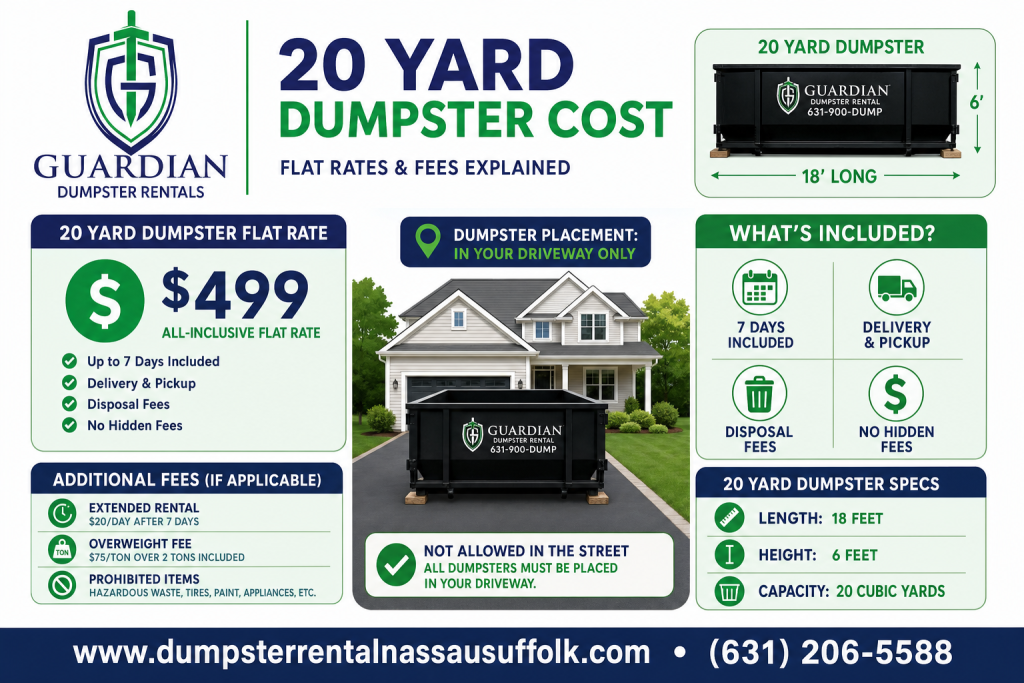
In New York, a 20 yard dumpster typically costs somewhere in the range of $450 to $750 for a flat-rate rental, depending on your town, how long you keep the container, and how far the hauler has to travel. Most quotes include delivery, pickup, a set rental period, and a weight allowance.
That range is wide for a reason. The 20 yard dumpster cost you’re quoted in one Suffolk County town can differ noticeably from a quote twenty minutes away, and the factors below explain most of that gap.
What Moves the Price Up or Down
- Location and local disposal rates. Haulers pay to dump at transfer stations, and those tipping fees vary by area. Towns closer to a hauler’s yard and disposal facility usually see lower pricing because the trucking leg is shorter.
- Rental length. Most flat rates cover a standard window, often around a week. Need the box for a longer remodel? Expect a modest daily or weekly extension charge, so build your timeline before you book.
- Haul distance. A driveway that’s far from the hauler’s service hub means more fuel and drive time, which gets baked into the quote. Working with a company based near you keeps this cost down.
- Weight allowance. Two quotes that look identical may include different tonnage. Always ask how much weight is included before comparing prices.
Because pricing is so local, it pays to get a quote specific to your town rather than relying on statewide averages. If you’re on the South Shore, for example, checking current rates for a 20 yard dumpster rental in Islip NY will give you a far more accurate number than a generic New York estimate.
Why Fall Pricing and Availability Tighten Up
Autumn is one of the busiest seasons for dumpster rentals in New York. Homeowners rush to finish kitchen, bathroom, and basement remodels before the holidays and before winter weather makes exterior staging miserable. That pre-winter crunch means:
- Fewer same-day or next-day deliveries. Containers get booked out further in advance, so reserve your box as soon as your demo date is firm.
- Less room to negotiate. When every 20 yard container in a hauler’s fleet is out on jobs, discounting dries up until demand cools.
- Tighter swap-out schedules. If your project needs an empty-and-return, drivers’ routes are fuller, so build in a day of cushion.
Booking even a week ahead in October or November can lock in both your preferred delivery date and a better rate. Neighboring communities often have slightly different availability too, so it’s worth comparing options for a 20 yard dumpster rental in Bay Shore if your first-choice date is taken.
What Does Flat-Rate Pricing Actually Include for a 20 Yard Dumpster Cost?
A flat-rate 20 yard dumpster quote bundles four things: delivery to your property, pickup when you’re done, a set rental period (often 7 to 14 days), and a weight allowance measured in tons. Disposal fees up to that allowance are built in, so you pay one predictable price unless you exceed the limits.
That bundle is what makes flat-rate pricing attractive — but it’s also where quotes can be misleading. Two companies may advertise similar headline numbers while including very different rental periods or weight allowances. Before you compare a 20 yard dumpster cost from one hauler against another, make sure you’re comparing the full package, not just the sticker price.
The Core Flat-Rate Bundle
- Delivery: The driver drops the container at your driveway or approved placement spot. Fuel and travel within the service area are typically included.
- Rental period: A defined window — commonly one to two weeks — to load the dumpster at your own pace.
- Weight allowance: A tonnage cap that covers landfill or transfer station disposal fees. This is the single most important line item to confirm in writing.
- Pickup and disposal: The hauler retrieves the container and handles disposal, with no extra charge as long as you stay within the weight and material rules.
If you’re pricing out a project locally, a quote for a 20 yard dumpster rental in Islip NY should spell out each of these four components so there’s no guesswork on pickup day.
Charges That Fall Outside the Flat Rate
These aren’t hidden fees when they’re disclosed up front — they’re situational charges that apply only if your project changes:
- Extra rental days: If you keep the container past the included period, most companies charge a per-day rate. Ask what that daily rate is before you book.
- Swap-outs: If you fill the dumpster and need another, a swap-out covers hauling the full container away and dropping a fresh one. It’s usually priced like a second rental, sometimes at a slight discount.
- Trip fees (dry runs): If the driver arrives and can’t deliver or pick up — blocked driveway, locked gate, a car parked in the drop zone — you may be billed for the wasted trip.
How to Compare Quotes Apples to Apples
When calling around, ask every company the same three questions: How many days are included? How many tons are included? What are the per-day, swap-out, and trip fee rates? Reputable providers of dumpster rental in Bay Shore New York will answer all three without hesitation — and if a company dodges the weight allowance question, treat that as a red flag. The lowest advertised price with a skimpy tonnage cap often ends up costing more than an honest flat rate.
What Triggers Overage Fees and How Do I Avoid Them?
Overage fees kick in when your loaded dumpster weighs more than the tonnage included in your flat rate. The haul is weighed at the disposal facility, and anything over the allowance is billed per ton. Dense remodel debris and rain-soaked materials are the two most common culprits, and both are avoidable with smart loading habits.
Every flat-rate rental comes with a weight allowance baked into your 20 yard dumpster cost. Stay under it and you pay exactly what you were quoted. Go over it, and the per-ton overage charge is added to your final invoice after the load crosses the scale. The container might look only half full and still exceed the limit, because weight — not volume — is what the landfill measures.
Why Dense Remodel Debris Adds Up Fast
Not all debris is created equal. A kitchen’s worth of cabinets and trim weighs very little, but tear-out materials from older New York homes can be surprisingly heavy per cubic foot:
- Ceramic and porcelain tile — a bathroom gut can generate hundreds of pounds of tile alone
- Plaster and lath — common in pre-war Long Island homes and far heavier than modern drywall
- Multiple layers of flooring — old hardwood with underlayment stacks weight quickly
- Roofing shingles — asphalt shingles are among the densest materials homeowners toss
If your project involves a lot of these materials, mention it when you book. Homeowners arranging 20 yard dumpster rental in Dix Hills NY for a tile-heavy bathroom remodel, for example, can get guidance on whether the standard allowance will realistically cover the load.
Watch Out for Rain-Soaked Debris
Water weight is the sneakiest overage trigger, especially in fall and early spring. Drywall, carpet, insulation, and lumber all act like sponges. A load that sits uncovered through a few rainy days can gain hundreds of pounds without a single extra item being thrown in. Keep a tarp over the container between loading sessions, and try to schedule pickup soon after you finish loading rather than letting the dumpster sit through a wet week.
Loading Habits That Keep Tonnage in Check
- Load heavy debris first and spread it evenly across the floor rather than piling it in one corner
- Break down bulky items so you fill air gaps with light material instead of needing a second haul
- Never fill above the rim — overfilled containers can’t be legally transported and may trigger extra fees or a refused pickup
- Separate heavy materials and ask your provider about handling them before tossing everything in one container
- Estimate honestly up front — a quick conversation about your debris type costs nothing and prevents surprises
When in doubt, talk through your project before the container arrives. Providers offering dumpster rental in Bay Shore New York and surrounding Suffolk County towns deal with these weight questions daily and can tell you whether your plan fits the included allowance — or whether adjusting your approach will save you money.
Should I Rent a 10, 20, or 30 Yard Dumpster Instead?
Choose a 10 yard dumpster for single-room cleanouts, a 20 yard for mid-size remodels and multi-room projects, and a 30 yard for whole-home renovations or large cleanouts. When in doubt, size up one container — a second haul almost always costs more than the difference between sizes.
The right container size comes down to two things: how much volume your debris will take up and how much it weighs. Underestimate either one and you could end up paying for a second dumpster or racking up overage charges that wipe out any savings from renting small.
Container Sizes Compared
| Size | Typical Dimensions | Typical Weight Allowance | Best For |
|---|---|---|---|
| 10 Yard | Approx. 12 ft L x 8 ft W x 3.5 ft H | Around 1–2 tons | Garage cleanouts, small bathroom remodels, decluttering a single room |
| 20 Yard | Approx. 22 ft L x 8 ft W x 4.5 ft H | Around 2–3 tons | Kitchen remodels, flooring and carpet removal, roofing tear-offs, multi-room cleanouts |
| 30 Yard | Approx. 22 ft L x 8 ft W x 6 ft H | Around 3–4 tons | Whole-home renovations, large estate cleanouts, major construction debris |
Exact dimensions and weight allowances vary by hauler, so always confirm the specifics when you book.
When to Size Up to a 30 Yard
- You’re renovating multiple rooms at once or gutting an entire floor.
- Your debris is bulky but light — cabinetry, drywall, furniture, and packaging fill space fast.
- You’re clearing out a home before a sale or after an estate transition.
- You’d rather pay a modest premium up front than risk a swap-out mid-project.
For bigger Long Island projects, a 30 yard dumpster rental in West Babylon NY gives you the extra headroom that keeps a whole-home renovation moving without pauses to wait on an empty container.
When a 10 Yard Saves You Money
If your project is confined to one room — a powder room refresh, a closet cleanout, or hauling off a garage’s worth of clutter — a 10 yard container is usually plenty, and its smaller footprint fits tight driveways more easily. Just be honest about your debris volume: filling a 10 yard and then ordering a second one typically costs more than a single 20 yard dumpster cost would have.
If you’re still unsure which size matches your project, talking through the details with a local provider helps. A company handling dumpster rental in Commack New York can recommend the right container based on what you’re tossing and where the dumpster needs to sit.
What Can’t Go in a NY Rental Dumpster?
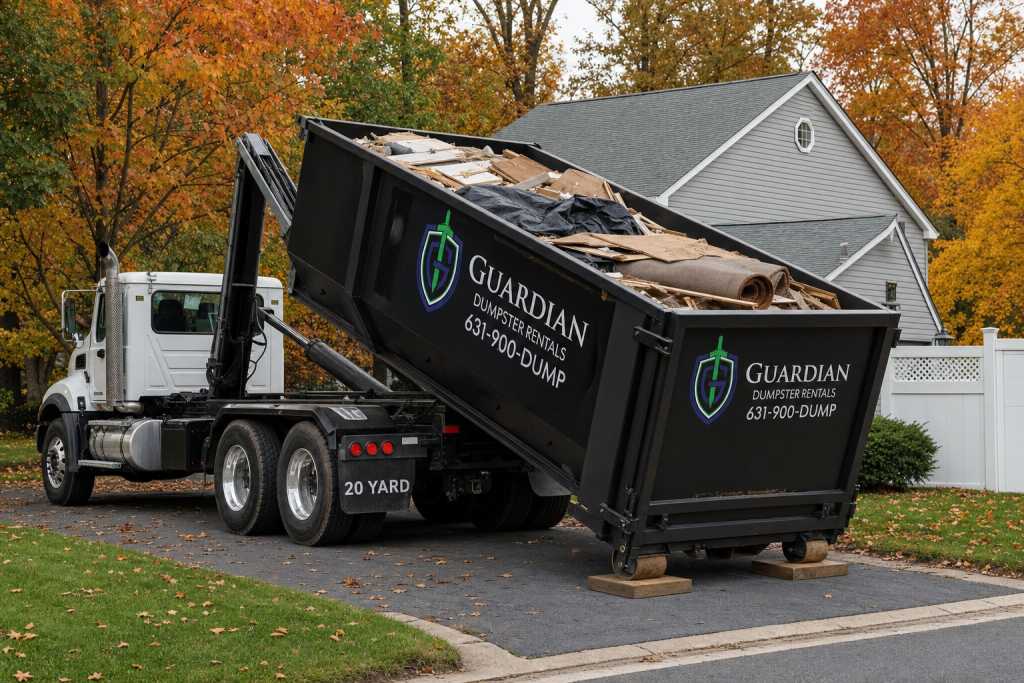
In New York, rental dumpsters cannot accept brick, concrete, dirt, or yard waste — including bagged fall leaves. Also prohibited are hazardous materials like paint, batteries, chemicals, tires, propane tanks, and appliances containing refrigerant. Loading restricted items can void your flat rate and add fees, so plan disposal alternatives before your dumpster arrives.
Knowing the prohibited list is just as important as knowing the 20 yard dumpster cost itself, because a single restricted load can turn a predictable flat rate into an unexpected bill. Here’s a closer look at what stays out of the container and where those materials should go instead.
Heavy Inert Materials: Brick, Concrete, and Dirt
Brick, concrete, and dirt are never allowed in a standard rental dumpster. These materials are extremely dense — even a partial load can exceed weight limits and damage equipment, which is why they’re excluded outright rather than simply surcharged. If your project involves tearing out a patio, foundation, or walkway, ask your hauler about dedicated disposal options for inert debris before loading anything. When homeowners book a 20 Yard Dumpster Rental in Lindenhurst NY, these ground rules are spelled out up front so there are no surprises on pickup day.
Yard Waste — Including Bagged Fall Leaves
Yard waste is also prohibited, and this catches many homeowners off guard. That means no branches, grass clippings, shrubs, stumps, or soil — and yes, no bagged fall leaves, even if they’re neatly tied up. New York encourages diverting organic material from landfills, so check your town’s curbside leaf collection schedule or bring yard debris to a municipal drop-off. The New York State Department of Environmental Conservation offers guidance on composting and organics recycling that can help you handle green waste the right way.
Hazardous and Restricted Items
Beyond the big four, keep these out of any rental dumpster:
- Paints, stains, and solvents — bring them to a household hazardous waste collection event
- Batteries and electronics — many retailers and municipal programs accept these for recycling
- Tires — most tire shops accept old tires for a small recycling fee
- Propane tanks and fuel containers — return to an exchange or hazardous waste facility
- Refrigerators and AC units — refrigerant must be professionally removed first
- Asbestos-containing materials — require licensed abatement and specialized disposal
The EPA’s household hazardous waste guide explains how to identify and safely dispose of these items through local collection programs.
When in Doubt, Ask Before You Load
The easiest way to stay compliant is to describe your debris when you book. Whether it’s a kitchen gut, a garage cleanout, or a roofing job, a quick conversation prevents contamination fees entirely. If you’re planning a project and want sizing or material guidance, a provider offering Dumpster Rental in Commack New York can walk you through exactly what’s acceptable for your 10, 20, or 30 yard container before the truck ever leaves the yard.
About 6 pickup truck loads of debris
Typical 20 Yard Capacity
Roughly 2 to 3 tons included in flat rates
Common Weight Allowance
Usually charged per ton above the allowance
Overage Billing
Often 7 to 14 days, varies by hauler
Standard Rental Period
20 Yard Dumpster Cost in NY vs. 10 and 30 Yard Options
| Dumpster Size | Best For | Typical Weight Allowance | Cost Position |
|---|---|---|---|
| 10 Yard | Small cleanouts, single-room refresh, minor demo debris | Roughly 1 to 2 tons | Lowest flat rate; cheapest entry point |
| 20 Yard | Mid-size remodels, kitchen or bath gutouts, flooring removal | Roughly 2 to 3 tons | Mid-range flat rate; best value per cubic yard for most remodels |
| 30 Yard | Large renovations, multi-room demo, major cleanouts | Roughly 3 to 4 tons | Highest flat rate; only worth it for high-volume projects |
Illustrative Example: A Mid-Size Kitchen Remodel in Upstate NY
Illustrative example
Consider a hypothetical homeowner in upstate New York gutting a dated kitchen down to the studs, including cabinets, drywall, and old flooring. After comparing options, they chose a 20 yard dumpster because a 10 yard would likely require a second haul, while a 30 yard offered more space than the project needed. They confirmed the flat rate included a multi-ton weight allowance and kept prohibited materials like brick, concrete, dirt, and yard waste out of the container to avoid penalties. By loading flat and breaking down bulky items, they stayed within the included tonnage and avoided any overage fees. This composite scenario shows why the 20 yard size is often the practical middle ground for mid-size remodels.
Frequently asked questions
How much does a 20 yard dumpster cost in NY?
20 yard dumpster cost in NY varies by county, hauler, and local disposal rates, but most companies quote a flat rate that bundles delivery, pickup, a set rental period, and a weight allowance. Pricing in the New York metro area generally runs higher than upstate due to landfill and transfer station fees. Call for a quote specific to your zip code, and confirm what tonnage is included before booking.
What is included in a flat-rate dumpster rental price?
A flat rate typically covers delivery, pickup, a fixed rental window (often 7 to 14 days), and a specific weight allowance measured in tons. What it usually does not cover: overage fees if you exceed the weight limit, extended rental days, trip fees if the driver can't access the drop spot, and charges for prohibited items. Always ask for the full fee schedule in writing before you book.
What happens if I go over the weight limit on my dumpster?
The hauler weighs your load at the disposal facility after pickup. If you exceed the included tonnage, you're billed a per-ton overage fee on top of your flat rate, usually prorated for partial tons. You won't know the exact charge until the ticket comes back, which is why heavy, dense debris is the most common cause of surprise bills. Ask your hauler for the per-ton overage rate upfront.
Is a 20 yard dumpster big enough for a kitchen remodel?
For most mid-size kitchen remodels, yes. A 20 yard dumpster handles cabinets, countertops, flooring, drywall, and old appliances with room to spare. If you're gutting a kitchen and a bathroom at the same time, or adding furniture and general cleanout debris, you may edge toward a 30 yard. A full kitchen-plus-whole-house renovation usually justifies the 30 yard upfront rather than paying for a second haul.
Should I get a 10 yard or 20 yard dumpster for my project?
Choose a 10 yard for single-room projects: one bathroom remodel, a small flooring tear-out, or a garage cleanout. Choose a 20 yard when the project spans multiple rooms, involves bulky items like cabinetry and fixtures, or when you're unsure how much debris you'll generate. The price difference between sizes is usually modest compared to the cost of ordering a second dumpster mid-project, so sizing up slightly is often the safer bet.
How long can I keep a rental dumpster before extra fees kick in?
Most flat-rate rentals include a set period, commonly 7 to 14 days depending on the hauler. After that, daily extension fees apply, typically charged per day until pickup. If your remodel timeline is uncertain, ask about the extension rate before you book, and schedule your delivery for when demolition actually starts rather than days in advance. Calling to extend before your deadline is almost always cheaper than ignoring it.
What can't I put in a 20 yard dumpster?
Prohibited items generally include brick, concrete, dirt, yard waste, hazardous materials like paint, solvents, and chemicals, tires, batteries, and appliances containing refrigerant. Loading prohibited materials can trigger contamination fees or a refused pickup, meaning you unload it yourself. Confirm the exact prohibited list with your hauler before loading, because rules vary by facility and NY region.
What are the most common mistakes people make renting a dumpster?
The big ones: underestimating debris and ordering too small a container, overloading past the fill line so the driver can't legally haul it, ignoring the weight allowance on dense materials, loading prohibited items that trigger extra fees, and placing the dumpster where the truck can't reach it for pickup. Reading the fee schedule and asking about tonnage before booking prevents most of these.
Do I need a permit to put a dumpster on the street in New York?
If the dumpster sits entirely on your private driveway or property, you typically don't need a permit. If it must go on a public street or sidewalk, most NY municipalities require a street occupancy permit from the local government, and requirements vary widely between NYC, suburban towns, and upstate villages. Check with your city or town clerk before delivery, since fines and forced removal can cost more than the permit.
How does dumpster delivery and pickup actually work step by step?
You call or book online, choose the size, and confirm a delivery date and placement spot. The driver drops the container using a roll-off truck, which needs clear overhead and roughly 60 feet of straight access. You load it over your rental period, keeping debris below the fill line. When you're done, you call for pickup, the hauler weighs the load at the disposal facility, and any overage is billed afterward.
10 yard dumpster rental help near you
Related local pages
- Dumpster Rental Centerport New York
- Dumpster Rental East Northport New York
- Dumpster Rental Northport New York
Get a flat-rate quote on a 20 yard dumpster for your New York remodel today — transparent pricing, clear weight allowances, no surprise fees. Get in touch.
Last updated: November 8, 2026
Recent Comments