
30 Yard Dumpster Rental in NY: Costs, Limits & Tips
What Should You Expect From a 30 Yard Dumpster Rental in NY?
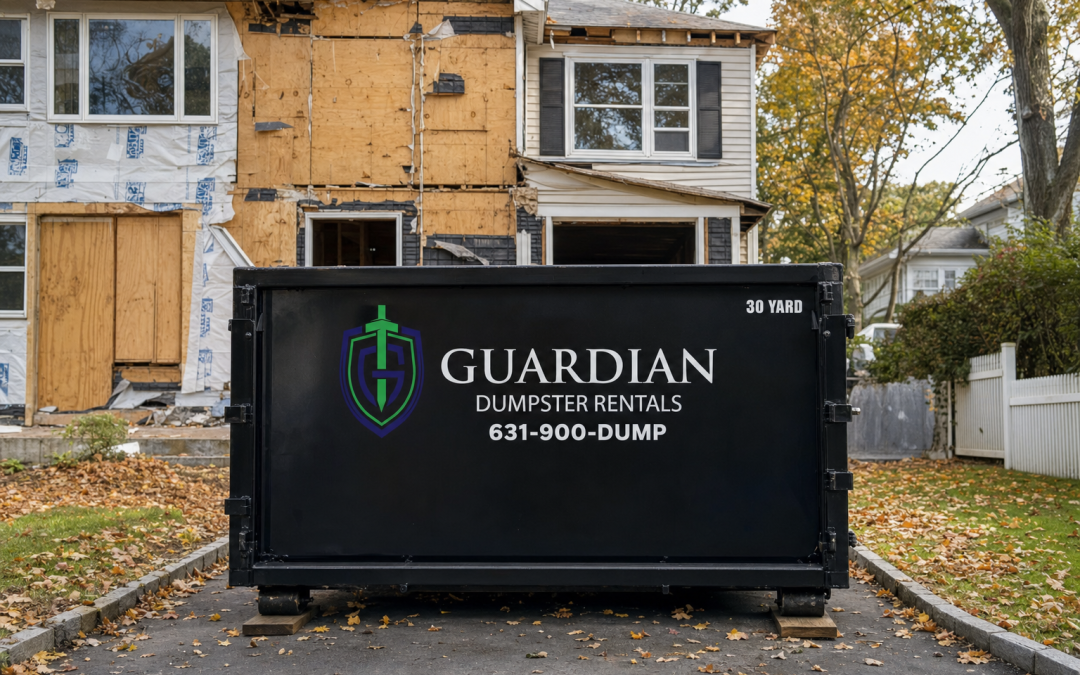
A 30 yard dumpster rental is the largest standard container most New York homeowners will ever need, handling full-home cleanouts, major remodels, and large demolition debris in a single container. Expect a roughly 22-foot-long roll-off, a set weight allowance built into the price, and a rental window that typically runs about one to two weeks.
Key takeaways
- A 30 yard dumpster rental in NY typically runs several hundred dollars to over a thousand depending on location, weight allowance, and rental length.
- Most 30 yard rentals include a set weight limit, often in the 3 to 5 ton range, with overage fees charged per additional ton.
- Standard rental periods usually run 7 to 14 days, and extra days are commonly billed at a flat daily rate.
- Brick, concrete, dirt, and yard waste are not allowed in these dumpsters, so confirm your debris list with the provider before delivery.
- Always ask upfront about included tonnage, prohibited items, overage fees, and placement requirements to avoid surprise charges.
If you’re planning a kitchen-to-basement renovation, clearing out an estate, or tearing off a roof while gutting interior rooms, the 30 yard container is usually the right call. It holds the equivalent of roughly nine to twelve pickup truck loads of debris, which means fewer swap-outs, fewer delivery fees, and less time coordinating hauls mid-project. Smaller jobs — a single bathroom remodel or a garage cleanout — are often better served by a 10 or 20 yard container instead, so it pays to match the box to the project rather than defaulting to the biggest option.
What a 30 Yard Container Handles Well
- Whole-home or multi-room renovations with cabinetry, drywall, and flooring debris
- Large estate cleanouts with furniture, boxes, and household items
- Roofing tear-offs combined with interior demolition
- Commercial cleanouts and large-scale decluttering projects
Keep in mind that heavy materials like brick, concrete, dirt, and yard waste are not allowed in these containers, so plan separate disposal for those if your project includes them. Providers who handle dumpster rental in Lindenhurst, New York and surrounding Suffolk County towns can walk you through exactly what’s accepted before you load a single bag.
The Quick Snapshot: Pricing, Weight, and Timing
- Pricing: Most companies quote a flat rate that bundles delivery, pickup, the rental period, and a set amount of tonnage. Your exact price depends on your town, debris type, and current disposal rates.
- Weight limits: A 30 yard container comes with a tonnage allowance; exceeding it triggers per-ton overage charges, so ask for the limit in writing.
- Rental window: One to two weeks is common, with daily extension fees if you need the box longer.
Why Fall Is the Smart Time to Book in NY
Autumn is the sweet spot for New York projects. The weather is still cooperative, contractors have more availability than in the summer rush, and you can finish before snow and ice make driveways slick and loading miserable. Once winter arrives, frozen ground, plow schedules, and snow-covered placement spots all complicate delivery. Booking in the fall also gives you flexibility — if your project turns out smaller than expected, a compact option like a 10 yard dumpster rental in Islip may be easier to secure on short notice before the end-of-year cleanout crunch begins.
How Much Does a 30 Yard Dumpster Cost in NY?
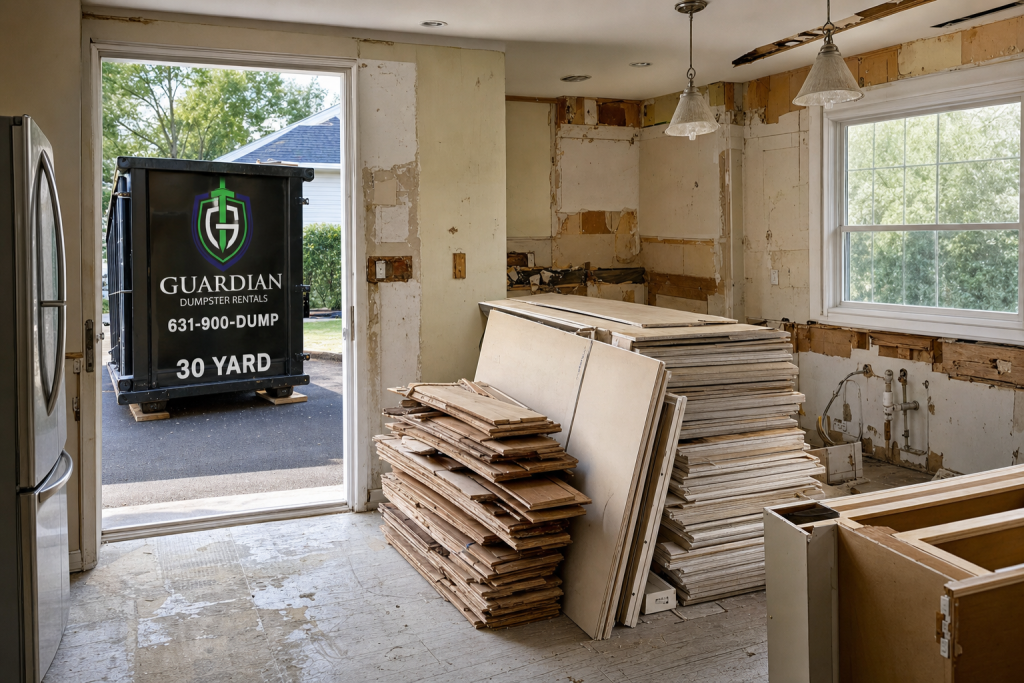
In New York, a 30 yard dumpster rental is typically priced as a flat rate that covers delivery, pickup, a set rental period, and a built-in tonnage allowance for disposal. Your final cost depends on your location, local landfill fees, and whether you exceed the included weight or rental days.
Flat-Rate vs. Variable Pricing
Most companies in the New York area quote one of two ways. Flat-rate pricing bundles everything — the haul, the container, and a weight allowance — into a single number, which makes budgeting simple for homeowners. Variable pricing starts with a lower base rate but bills disposal separately by the ton after the dumpster is weighed at the facility. Flat-rate is usually the safer choice unless you know your debris will be very light.
What’s Typically Included in the Quote
- Delivery and pickup: The driver drops the container and hauls it away when you’re done.
- A standard rental period: Often one to two weeks, depending on the company.
- Disposal tonnage: A set weight allowance; 30 yard containers generally include more tons than smaller sizes.
Common Add-On Fees to Watch For
- Overage charges: A per-ton fee for weight above your included allowance.
- Extended rental fees: A daily charge if you keep the dumpster past the agreed window.
- Trip fees: Charged if the driver can’t deliver or pick up because the area is blocked.
- Prohibited item fees: Applied when restricted materials end up in the load.
Pricing also varies by town within the state, since disposal facilities and hauling distances differ. If you’re comparing quotes on Long Island, for example, a 30 yard dumpster rental in Commack NY may be priced differently than the same container a few towns over, so always get a quote specific to your address.
Is One 30 Yard Cheaper Than Two Smaller Dumpsters?
Almost always, yes. Renting a 10 yard or 20 yard dumpster twice means paying for two deliveries, two pickups, and two separate disposal runs — and a 30 yard container holds more than either of those combined with a single haul. For large cleanouts, full-home renovations, or multi-room projects, one 30 yard rental usually costs meaningfully less per cubic yard of debris than booking smaller containers back to back. The smaller sizes still make sense for lighter jobs, but if you’re on the fence, the larger container is often the better value.
The best way to pin down your real cost is to call a local provider, describe your project, and ask for an all-in quote. Providers offering dumpster rental in Islip New York and surrounding communities can tell you exactly what’s included so there are no surprises on your invoice.
How Do Weight Limits Work With a 30 Yard Dumpster Rental?
Most 30 yard dumpster rentals include a set tonnage allowance in the quoted price — the hauler weighs the container at the disposal facility, and if your load exceeds that allowance, you pay a per-ton overage fee on the difference. Staying under the limit comes down to knowing your debris type and keeping the load dry.
The included tonnage varies by company and by how far the container has to travel to the transfer station, so always confirm the exact number in writing before delivery. When the truck picks up your dumpster, it’s weighed on a certified scale. If the net weight of your debris comes in under the allowance, you owe nothing extra. Go over, and the overage is billed per ton — usually prorated, so a few hundred extra pounds costs far less than a full ton would.
Why a 30 Yard Container Suits Bulky, Lightweight Debris
A 30 yard dumpster is built for volume, not density. That makes it a natural fit for remodeling debris that takes up a lot of space but doesn’t weigh much per cubic foot:
- Drywall — sheets and broken panels stack loosely and trap air gaps
- Kitchen and bathroom cabinets — hollow boxes that eat up volume fast
- Flooring — laminate, carpet, padding, and wood planks
- Trim, doors, and framing lumber from interior demolition
- Furniture and packed household junk from cleanouts
With material like this, you’ll typically fill the container to the rim long before you approach the weight limit. That’s exactly the scenario where a 30 yard dumpster rental in Commack NY makes more financial sense than ordering two smaller containers and paying two haul fees.
The Hidden Weight Problem: Rain
Here’s what catches New York homeowners off guard in the fall: an uncovered load sitting through a few days of rain can quietly gain hundreds of pounds. Drywall, carpet, padding, particleboard cabinets, and bare lumber all act like sponges. The debris you loaded well under the tonnage limit on Saturday can weigh noticeably more by pickup day the following week — and the scale doesn’t distinguish between debris weight and water weight.
The fix is simple:
- Cover the container with a tarp if rain is in the forecast
- Load absorbent materials like drywall and carpet last, so they sit on top for less time
- Schedule pickup promptly once the container is full rather than letting it sit exposed
If you’re unsure whether your project’s debris will push you near the included tonnage, describe the materials to your provider before booking. A good company handling dumpster rental in Amityville New York can tell you from experience whether a typical remodel like yours lands comfortably under the allowance or needs a plan to split the load.
How Long Can You Keep the Dumpster, and Which Size Do You Actually Need?
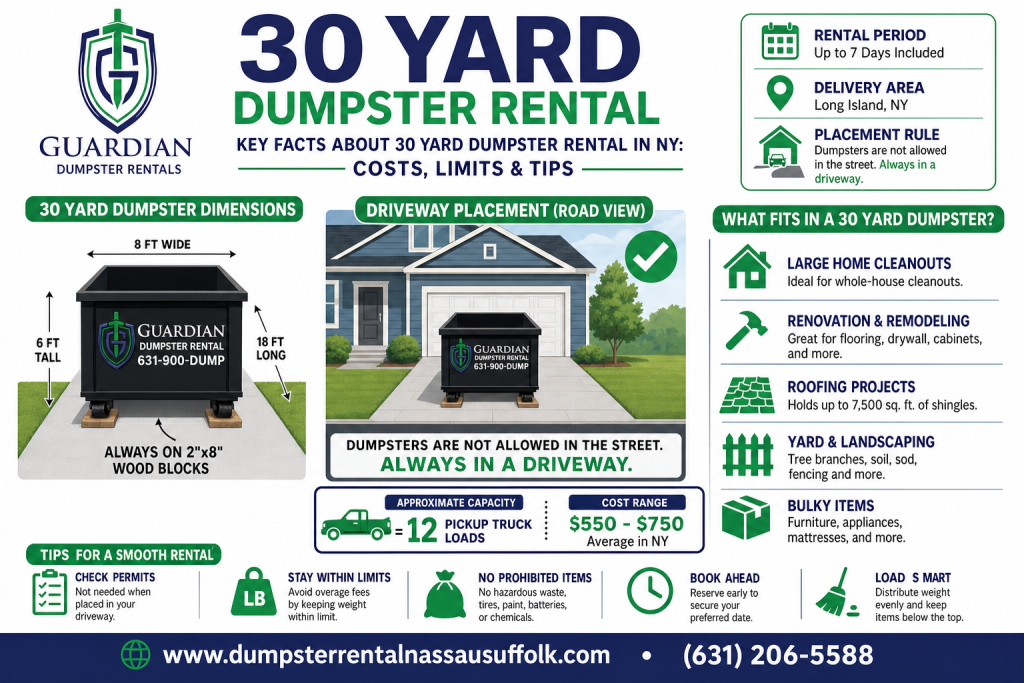
Most dumpster rentals in New York come with a standard rental period of about 7 to 14 days, with daily-rate extensions available if your project runs long. Choosing between a 10, 20, or 30 yard container comes down to the volume of debris, the type of project, and the space you have for placement.
Standard Rental Periods and Extensions
Every hauler sets its own window, but a one- to two-week rental is the norm for residential projects. If you need more time, most companies will extend the rental for a modest per-day fee — the key is to call before your scheduled pickup date rather than after, since unannounced delays can trigger automatic retrieval or extra charges. Ask about the extension policy up front so there are no surprises mid-project.
If your project involves contractors, coordinate the dumpster’s arrival with the messiest phase of the work. Having the container delivered during demolition — not during planning or finish work — means you’re not paying for days when the dumpster sits empty. For larger whole-home jobs, a 30 yard dumpster rental in Commack NY timed to the demo phase often eliminates the need for a second container swap.
Scheduling Tips for Multi-Phase Projects
- Demolition first: Schedule delivery for the day demo begins so debris goes straight into the container.
- Stagger swaps: On long renovations, plan a pickup-and-replace swap between phases instead of letting a full dumpster sit idle.
- Buffer a day or two: Projects almost always run slightly long, so build cushion into your rental window rather than booking it tight.
- Confirm pickup in advance: Call a day or two before you’re done to lock in removal and avoid extension fees.
Container Sizes Table: 10, 20, and 30 Yard Dumpsters Compared
| Size | Typical Dimensions | Capacity | Ideal Projects |
|---|---|---|---|
| 10 Yard | ~12 ft L x 8 ft W x 3.5 ft H | Roughly 3–4 pickup truck loads | Garage or attic cleanouts, small bathroom remodels, minor decluttering |
| 20 Yard | ~22 ft L x 8 ft W x 4.5 ft H | Roughly 6–8 pickup truck loads | Kitchen remodels, flooring and carpet removal, large basement cleanouts |
| 30 Yard | ~22 ft L x 8 ft W x 6 ft H | Roughly 9–12 pickup truck loads | Whole-home cleanouts, major renovations, estate cleanups, new construction debris |
When in doubt, size up — going one size larger usually costs far less than ordering a second dumpster later. That said, a smaller container is often the smarter call for single-room jobs; something like a 10 yard dumpster rental in Dix Hills fits comfortably in a driveway and handles a focused cleanout without wasted space. Match the container to your debris volume, line up delivery with your heaviest work, and the rental period will take care of itself.
What Can’t Go in Your Dumpster?
Brick, concrete, dirt, and yard waste — including fall leaves, branches, and grass clippings — are not allowed in your dumpster, along with hazardous materials like paint, chemicals, batteries, and propane tanks. Standard household junk and remodeling debris such as drywall, lumber, cabinets, flooring, and furniture are fully acceptable.
Knowing the difference before you start loading is the single best way to avoid surprise charges at pickup. When a driver arrives and spots prohibited material in the container, you may face extra sorting fees, a refused pickup, or the cost of a second trip. A few minutes of planning saves real money.
Materials That Are Never Allowed
The following items cannot go in a 30 yard dumpster rental, no exceptions:
- Brick — even small quantities from a patio or chimney teardown
- Concrete — slabs, footings, pavers, and broken sidewalk pieces
- Dirt — fill dirt, topsoil, and excavated soil of any kind
- Yard waste — fall leaves, branches, brush, stumps, grass clippings, and shrubs
- Hazardous items — paint, stains, solvents, motor oil, antifreeze, pesticides, batteries, propane tanks, and asbestos-containing materials
- Appliances with refrigerant — refrigerators, freezers, and air conditioners typically require special handling
- Tires — most disposal facilities will not accept them in a roll-off container
If your project involves any of these materials, ask your hauler about alternatives before delivery. Many homeowners planning a cleanout through a dumpster rental in Dix Hills New York find that a quick phone conversation up front resolves these questions in minutes and keeps the project on budget.
What Remodeling Debris Is Perfectly Fine
The good news: nearly everything from a typical home renovation or cleanout is accepted without issue, including:
- Drywall, plaster, and lath
- Lumber, trim, and wood framing
- Cabinets, countertops, and vanities
- Carpet, padding, hardwood, laminate, and vinyl flooring
- Doors, windows, and most roofing shingles
- Furniture, mattresses, and general household junk
- Cardboard, boxes, and packing materials
In other words, if you’re gutting a kitchen, finishing a basement, or clearing out decades of accumulated belongings, almost everything headed for the curb is fair game. Homeowners arranging a roll off dumpster rental in Lindenhurst for these kinds of projects rarely run into prohibited-item problems as long as masonry, soil, and landscaping debris stay out of the container.
When in Doubt, Ask First
Rules can vary slightly between haulers and disposal facilities, so if you have an unusual item — an old water heater, a hot tub shell, treated lumber — snap a photo and send it to your rental company before loading it. A quick yes or no beats an unexpected fee on your final invoice every time.
What Questions Should You Ask Before Delivery Day?
Before your 30 yard dumpster arrives, confirm five things: exactly where it will sit, whether you need a street permit, that the roll-off truck has enough clearance, that the spot is level and clear of debris, and how pickup will be scheduled. Sorting these out in advance prevents failed deliveries, extra trip fees, and permit fines.
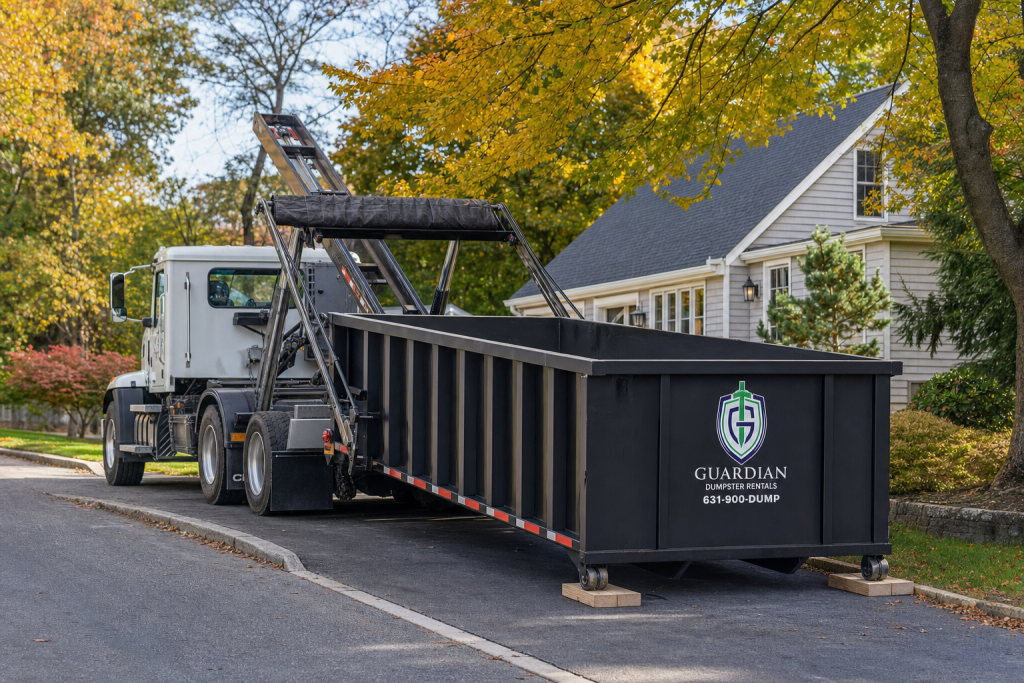
A 30 yard container is roughly 22 feet long, and the truck that delivers it needs significantly more room than that to maneuver. Running through a short checklist with your rental company — ideally when you book — is the easiest way to make delivery day uneventful.
Placement and Driveway Protection
- Ask where the container will be set down. Walk the spot with measurements in hand and confirm the footprint works, including space for the door to swing open at the rear.
- Ask about driveway protection. Most companies can place plywood or boards under the rails to protect asphalt or pavers. Confirm whether they bring boards or whether you should have them ready.
- Avoid soft ground. A loaded 30 yard dumpster is extremely heavy, and lawns or unpaved areas can rut or sink, especially after rain.
Permits for Street Placement
If the dumpster will sit on a public street or right-of-way, most NY towns and villages require a permit, and requirements vary block to block — some municipalities also require reflective markings or cones. Contact your town or village clerk directly; you can find your local government’s contact information through the official USA.gov local government directory. A driveway placement usually avoids the permit question entirely, which is one reason experienced providers of roll off dumpster rental in Lindenhurst and surrounding areas will ask about your placement plans up front.
Clearance for the Roll-Off Truck
- Overhead: confirm there are no low wires, tree branches, or overhangs — the truck bed tilts high when rolling the container off.
- Width and approach: gates, parked cars, and tight turns can block delivery. Ask the driver’s minimum width requirement.
- Straight run: the truck needs a straight line to back in and set the box down.
Seasonal and Site Prep
In fall, clear leaves from the placement spot before delivery so the driver can see the surface and set the container level — and remember that leaves and other yard waste can’t be loaded into the dumpster itself. A level, swept, debris-free pad also makes the container safer to load and easier to pick up.
Confirming Pickup Logistics
Ask how pickup is scheduled: is it automatic at the end of the rental period, or do you need to call? Confirm how much notice is required, whether same-day or next-day pickup is available, and what a swap-out costs if you fill the box early. Companies handling dumpster rental in Deer Park, New York and nearby communities typically outline these details at booking — but it never hurts to ask again and get the answers in writing.
About 9-12 pickup truck loads of debris
Typical 30 Yard Capacity
Often 3-5 tons included, varies by provider
Common Weight Allowance
Usually 7-14 days before extension fees apply
Standard Rental Window
No brick, concrete, dirt, or yard waste allowed
Prohibited Materials
30 Yard Dumpster Rental vs. Smaller Container Sizes
| Container Size | Best For | Approx. Capacity | Typical Rental Period |
|---|---|---|---|
| 10 Yard Dumpster | Small cleanouts, single-room remodels | Roughly 3-4 pickup truck loads | 7-14 days |
| 20 Yard Dumpster | Mid-size renovations, multi-room cleanouts | Roughly 6-8 pickup truck loads | 7-14 days |
| 30 Yard Dumpster | Major remodels, whole-home cleanouts, large construction projects | Roughly 9-12 pickup truck loads | 7-14 days |
Illustrative Example: A Whole-Home Remodel in Upstate NY
Illustrative example
Consider a hypothetical homeowner planning a full interior remodel of a two-story house, including kitchen demolition, flooring removal, and clearing out decades of stored household items. After comparing a 10 yard and 20 yard dumpster, they chose a 30 yard dumpster rental to handle the full volume in one container and avoid paying for multiple swap-outs. Before delivery, they confirmed the included weight allowance, the per-ton overage rate, and that brick, concrete, dirt, and yard waste would not be placed in the container. By asking these questions upfront and staging debris for efficient loading, they completed the project within the standard rental period and avoided extension or overage fees. This composite scenario reflects a common experience, not a specific client project.
Frequently asked questions
How much does a 30 yard dumpster rental cost in NY?
Pricing varies by county and hauler, but most NY companies quote a flat rate that bundles delivery, pickup, a set rental period, and a weight allowance. You pay extra only if you exceed the included tonnage or keep the container past the rental window. Always ask whether the quote is all-inclusive or if fuel surcharges, taxes, and overage fees are added later, since that’s where most surprise costs come from.
How long can I keep a 30 yard dumpster?
Most rental companies include a standard rental period of roughly one to two weeks, though this varies by provider. If your remodel runs long, you can usually extend for a daily or weekly fee—just call before your pickup date. Confirm the exact rental period and extension pricing when you book, because letting the container sit past the deadline without notice often triggers automatic late charges.
What happens if I go over the weight limit on my dumpster?
You won’t be turned away at pickup—the hauler weighs the load at the disposal facility and bills you an overage fee for each ton above your included allowance. To avoid this, ask for your exact tonnage limit in writing, load heavy materials evenly, and call the company if you think you’re getting close. They can sometimes swap the container mid-project rather than let one load run heavy.
What can’t I put in a 30 yard dumpster rental?
Brick, concrete, dirt, and yard waste are not allowed in the dumpster, so plan separate disposal for those materials before demo day. Hazardous items—paint, chemicals, batteries, tires, and appliances with refrigerants—are also typically prohibited. Loading banned materials can mean rejection fees or the hauler refusing pickup until you remove them, so always review the company’s prohibited items list before you start filling the container.
Is a 30 yard dumpster too big for my remodeling project?
For a whole-home remodel, large addition, or multi-room gut job, a 30 yard container is usually the right call. If you’re only redoing a single bathroom or clearing out a garage, a 10 yard dumpster may be enough, and a kitchen remodel or roofing job often fits a 20 yard. Renting slightly bigger is usually cheaper than ordering a second container, so when in doubt between two sizes, go up.
Do I need a permit to put a dumpster in front of my house in NY?
If the dumpster sits entirely on your private driveway or property, you generally don’t need a permit. If it will occupy a public street or sidewalk, most NY municipalities require a street-use permit from the local government, and rules vary widely by city and town. Ask your rental company—many know local requirements and some handle permits for you. Placing a container on public property without one can mean fines.
How much space do I need for a 30 yard dumpster delivery?
You need room for the container itself plus clearance for the truck to back in and roll it off—typically a long, straight stretch of driveway or street with overhead clearance free of wires and tree limbs. Before delivery, measure your space, clear parked cars, and send the company photos if access is tight. If the driver can’t place it safely, you may be charged a failed-delivery or dry-run fee.
Will a 30 yard dumpster damage my driveway?
It can, especially once loaded, since the weight concentrates on the steel rails and wheels. Most reputable haulers will place wooden boards or plywood under the contact points if you ask—some do it automatically. Request this when booking, avoid placement on soft asphalt during hot weather, and note that many rental agreements make driveway protection the customer’s responsibility, so get the plan in writing.
What questions should I ask before the dumpster is delivered?
Confirm five things in writing: the all-in price and what it includes, the exact weight allowance and per-ton overage rate, the rental period and extension cost, the prohibited items list, and placement requirements. Also ask how pickup is scheduled—some companies collect automatically at the end of the term while others wait for your call. Nailing these down before delivery prevents nearly every common billing dispute.
What are the biggest mistakes people make renting a 30 yard dumpster?
The most common errors: choosing a price without asking what tonnage is included, loading debris above the container’s fill line so the hauler can’t legally transport it, tossing prohibited materials like brick, concrete, dirt, or yard waste, blocking the pickup path with vehicles, and not scheduling removal, which racks up daily rental fees. A five-minute call to clarify terms before booking avoids almost all of these.
10 yard dumpster rental help near you
Related local pages
- Dumpster Rental Lindenhurst New York
- Dumpster Rental Deer Park New York
- Dumpster Rental Dix Hills New York
Ready to start your remodel? Call us today for a straightforward 30 yard dumpster rental quote and fast delivery anywhere in NY. Get in touch.
Last updated: October 7, 2026
Recent Comments