
20 Yard Dumpster Rental: One Bin for Kitchen & Bath Demo
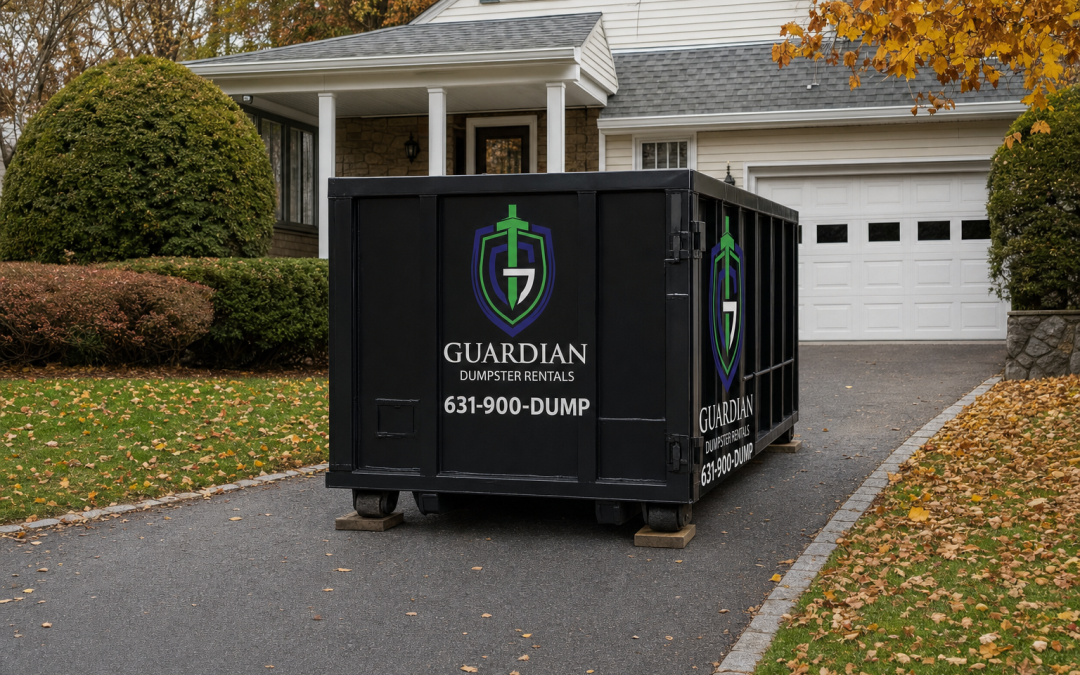
Can One 20 Yard Dumpster Rental Really Handle a Kitchen and Bath Demo?
Yes — a single 20 yard dumpster rental can handle a full kitchen and bathroom demolition in most homes, as long as you plan the tear-out and load the container efficiently. A typical kitchen gut and full bathroom gut together usually produce less debris than 20 cubic yards, leaving some buffer for surprises behind the walls.
Key takeaways
- A single 20 yard dumpster rental can typically hold debris from both a full kitchen and a full bathroom demo when projects are scheduled back-to-back.
- Sequencing your demo — gutting the kitchen first, then the bath while the bin is still on site — avoids paying for a second delivery and pickup in NY.
- Keep prohibited materials like brick, concrete, dirt, and yard waste out of the dumpster to avoid extra fees and stay within your rental agreement.
- Break down cabinets, vanities, and boxed fixtures before loading to maximize every cubic yard of a 20 yard container.
- Confirm your rental period up front — most back-to-back kitchen and bath demos fit comfortably within a standard 7-14 day rental window.
The math works in your favor. A 20 yard container holds roughly the volume of six full-size pickup truck beds. An average kitchen demo — cabinets, countertops, appliances you’re discarding, flooring, and drywall — typically generates somewhere in the range of 8 to 12 cubic yards once it’s broken down and stacked flat. A full bathroom gut, including the tub, vanity, toilet, tile, backer board, and old fixtures, commonly adds another 4 to 6 cubic yards. Combined, most projects land comfortably under the 20 yard ceiling.
Why One Container Beats Two Smaller Ones
Homeowners sometimes consider ordering a 10 yard dumpster for the kitchen and a second 10 yard for the bathroom. That approach almost always costs more, because you pay two delivery and pickup fees instead of one, and you may end up waiting on a swap-out mid-project while debris piles up in your driveway. One well-managed 20 yard dumpster rental keeps the job moving with a single drop-off and a single haul-away. If you’re pricing options for a project in Lindenhurst, New York, comparing one 20 yard against two 10 yards is usually the first calculation worth doing.
What Makes the Volume Work
- Cabinets collapse: Base and wall cabinets look bulky installed, but once knocked flat or broken down, they take up a fraction of the space.
- Tubs and vanities are mostly air: A standard tub, toilet, and vanity are hollow or open-topped, so other debris nests inside and around them.
- Drywall and tile stack dense: Sheet goods and tile pack tightly when laid flat rather than tossed in at angles.
- Appliances fit with planning: An old range or dishwasher slots in alongside flattened cabinetry when you load in the right order.
Fall is one of the busiest seasons for interior remodels on Long Island, so a single container also means one scheduling window to lock in instead of two. Whether you’re searching for a dumpster rental in Islip, New York or elsewhere in Suffolk County, booking one 20 yard bin ahead of your demo weekend simplifies the whole project.
The sections below break down exactly how much debris each room produces, the demo order that fills the bin most efficiently, and how to decide if a 10 or 30 yard container would actually serve your specific project better.
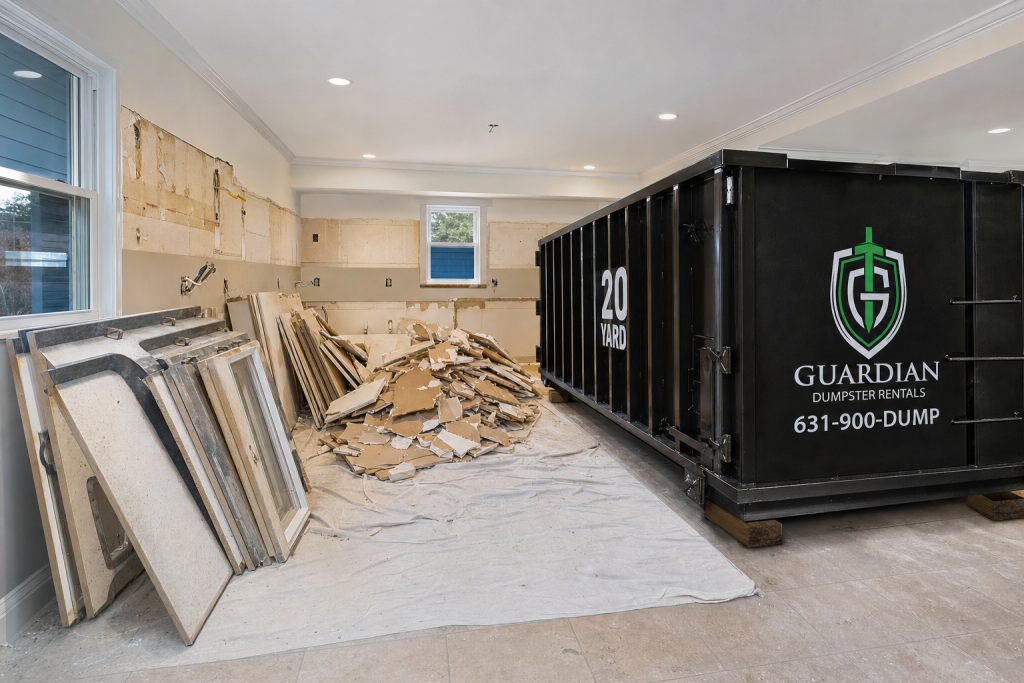
How Much Debris Does a Kitchen and Bathroom Demo Actually Produce?
A full kitchen gut typically generates 8 to 12 cubic yards of debris, while a standard bathroom demo adds another 4 to 6 cubic yards. Combined, most kitchen-and-bath projects land between 12 and 18 cubic yards — fitting inside a 20 yard dumpster with a modest buffer for surprises behind the walls.
Those numbers surprise a lot of homeowners, because cabinets and tubs don’t look like much until they’re sitting in a pile on the lawn. Demo debris is bulky and awkward — it takes up far more space broken apart than it did installed. Here’s how the volume typically breaks down room by room.
Kitchen Demo Volume Estimates
- Cabinets (uppers and lowers): 3 to 5 cubic yards for a typical 10×12 kitchen, even when broken down flat
- Countertops: 1 to 2 cubic yards depending on length and material thickness
- Drywall and plaster: 2 to 3 cubic yards if you’re opening walls for plumbing or electrical
- Flooring: 1 to 2 cubic yards for vinyl, laminate, or hardwood plus underlayment
- Old appliances and miscellaneous: 1 to 2 cubic yards for sink, trim, and packaging from the new build-out
Bathroom Demo Volume Estimates
- Tub or shower surround: 1 to 2 cubic yards — a standard tub alone eats significant space because it can’t nest with other debris
- Vanity and medicine cabinet: about 1 cubic yard
- Toilet and fixtures: roughly half a cubic yard
- Tile, backer board, and drywall: 1 to 2 cubic yards for a fully tiled bath
- Flooring and subfloor repairs: about 1 cubic yard
A New York-Sized Example
Picture a typical Long Island home: a 10×12 kitchen and a 5×8 hall bath, both getting taken down to the studs. The kitchen produces roughly 10 cubic yards once cabinets, counters, drywall, and flooring come out. The bathroom adds about 5 more. That’s 15 cubic yards against a 20-cubic-yard capacity — enough room left over for the unexpected, like water-damaged subfloor or an extra layer of old flooring hiding under the first. Homeowners arranging dumpster rental in Islip New York for this exact combination of rooms almost always find one 20 yard container covers the whole job.
The buffer matters more than people expect. Older homes often hide a second layer of linoleum, plaster-and-lath walls that produce more volume than modern drywall, or a cast iron tub that’s heavier and harder to break down. If you’re gutting two full bathrooms alongside the kitchen, your total can creep past 18 cubic yards — at that point it’s worth comparing against a larger container like a 30 yard dumpster rental in Commack NY rather than risking an overfilled bin.
For a standard one-kitchen, one-bath remodel, though, the math works: the debris load fits, and you’re not paying for empty air.
What Order Should I Demo the Kitchen and Bathroom to Fill One 20 Yard Dumpster Rental?
Gut the bathroom first, then the kitchen, all within a single rental window. The bathroom is smaller and faster, so finishing it early frees you to focus on the heavier kitchen teardown while the dumpster is still mostly empty. Sequencing both rooms back-to-back means one drop-off, one pickup, and one bill.
The biggest mistake homeowners make is treating these as two separate projects with weeks in between. If the bin sits half-full while you wait to start the second room, you are paying rental days for air. Plan both demos before the truck ever arrives, and you will get full value out of every day of your 20 yard dumpster rental.
Why the Bathroom Goes First
- It’s the quicker job. A typical full bath can be stripped to the studs in a day or two, which builds momentum and gives you an early win.
- Its debris is awkward, not bulky. Tubs, toilets, and vanities are irregular shapes that are easier to position in the bottom of an empty container.
- The kitchen produces the flat, stackable material. Cabinets, countertops, and drywall layer neatly on top of the bathroom fixtures, so the natural demo order also happens to be the ideal loading order.
Staging Debris Indoors During Cold Snaps
Long Island winters can stall an outdoor demo schedule fast. If a cold snap or snow hits mid-project, keep working and stage debris in the garage or a cleared room near the exit door. Stack cabinet boxes inside each other, lean doors against a wall, and pile smaller debris in contractor bags so everything can move to the bin in one fast push when the weather breaks. Homeowners who book a dumpster rental in Commack New York during winter months often use this stage-and-sprint approach to keep the project on schedule without extending the rental.
Back-to-Back Scheduling Saves You a Second Drop-Off
Every dumpster delivery involves a truck trip, and every trip costs money. Running the bathroom and kitchen demos consecutively — bathroom on days one and two, kitchen on days three through five — lets one container absorb both rooms before pickup. Splitting the work into two separate rentals means paying delivery and haul-away fees twice for the same total volume of debris. If you’re planning a remodel and want help mapping out a demo timeline, a local provider offering dumpster rental in Bay Shore New York can advise on rental windows that fit a two-room project.
One final tip: schedule your delivery for the morning before demo day. That way the bin is on-site and ready the moment the first vanity comes off the wall, and not a single rental day goes to waste.

How Do I Load a 20 Yard Dumpster Rental to Maximize Every Cubic Yard?
Load a 20 yard dumpster by breaking cabinets down flat, placing the tub and vanity first so smaller debris nests inside them, layering drywall like flooring between levels, and filling every void with small pieces. Keep the load level with the top rail so the driver can tarp it safely and legally for pickup.
A 20 yard container only holds 20 cubic yards if you actually use all 20. Tossing intact cabinets and a whole vanity over the wall creates air pockets that waste a third of your capacity. A little technique goes a long way, and it can be the difference between finishing with one bin or paying for a second haul.
Break It Down Before It Goes In
Five minutes with a drill or a sledge pays for itself. Cabinet boxes knocked flat stack like lumber instead of sitting as hollow cubes. The same logic applies whether you’re working on a project with a dumpster rental in Commack New York or anywhere else on Long Island — flat debris is dense debris.
- Unscrew or knock apart cabinet boxes so sides, shelves, and doors lie flat.
- Remove countertops in sections rather than wrestling full slabs over the side.
- Pull doors off hinges and stack them like plywood along a wall of the bin.
Nest the Big, Awkward Pieces First
The tub is your biggest space-waster if it goes in last. Set it in early, open side up, then fill the basin with tile fragments, old fixtures, and plumbing scraps. Do the same with the vanity cabinet and the sink base — treat every hollow item as a free container inside the container.
Layer Drywall Like Flooring
Drywall and paneling should go in as flat sheets, laid horizontally in layers. Each layer compresses the loose debris beneath it and creates a stable deck for the next round of material. Alternate: a layer of sheet goods, then a layer of broken-down cabinets and trim, then sheets again.
Fill Voids and Keep the Load Level
Walk the perimeter periodically and drop small debris — tile shards, backer board pieces, hardware — into gaps along the walls and corners. Two final rules matter most on pickup day:
- Never load above the top rail. Drivers in New York can refuse an overfilled container, and an uneven load can shift dangerously in transit.
- Tarp the bin between work sessions. Fall rain and leaves add real weight, and waterlogged drywall is dramatically heavier than dry material — weight you may pay for.
These habits apply at every size. Teams running a roll off dumpster rental in West Babylon use the same nest-and-layer approach on 10, 20, and 30 yard containers alike, because a well-packed bin is the cheapest bin you’ll ever rent.
What Can’t Go in the Dumpster During a Remodel in NY?
Four materials cannot go in your dumpster during a New York remodel: brick, concrete, dirt, and yard waste. Everything else from a typical kitchen and bath demo — cabinets, drywall, tile, fixtures, flooring, and countertops — is generally accepted, though heavy materials like tile still count against your weight allowance.
These restrictions exist because masonry, soil, and organic yard debris are processed through separate disposal streams and can quickly push a container past legal road weight limits. Even a partially filled bin of concrete chunks can exceed what a truck is permitted to haul. Before you swing the first hammer, walk the kitchen and bathroom and flag anything on the prohibited list so it never ends up in the container.
The Four Prohibited Materials
- Brick — including brick veneer behind an old range or fireplace surround
- Concrete — mortar beds under tile floors, concrete backer slabs, and broken pad sections
- Dirt — soil disturbed when relocating plumbing lines under a slab or crawl space
- Yard waste — branches, leaves, and shrubs, even if you trim landscaping to improve dumpster access
Watch the Weight of Tile and Fixtures
Tile is the sneaky one in a kitchen and bath demo. The tile itself is allowed, but ceramic and porcelain are dense, and a bathroom floor plus a tub surround can add up fast. Cast iron tubs and old porcelain sinks carry similar weight penalties. Plan to spread these heavy items across the bottom of the container rather than piling them in one corner, and ask your provider about the included weight allowance so you are not surprised by overage fees. Homeowners planning a dumpster rental in Dix Hills New York should confirm these details at booking, since weight terms vary by company.
What to Do with Materials the Container Can’t Accept
If your demo uncovers a mortar bed under the old tile or a brick accent wall, you have practical options:
- Separate it on site. Stack brick and concrete on a tarp or pallet away from the dumpster so no one tosses it in by habit.
- Ask about clean fill disposal. Some local facilities accept clean concrete and brick directly, often at lower cost than mixed debris.
- Compost or municipally dispose of yard waste. Most Long Island towns run seasonal yard waste collection programs.
- Offer usable fixtures for reuse. A working sink, vanity, or set of cabinets may be welcomed by a salvage or donation outlet, which also frees up space in your bin.
Getting the prohibited list right the first time keeps your project on schedule. Providers serving a dumpster rental in Babylon New York enforce the same rules, so a quick conversation before delivery is the easiest way to avoid a rejected load or an extra haul fee during your 20 yard dumpster rental.
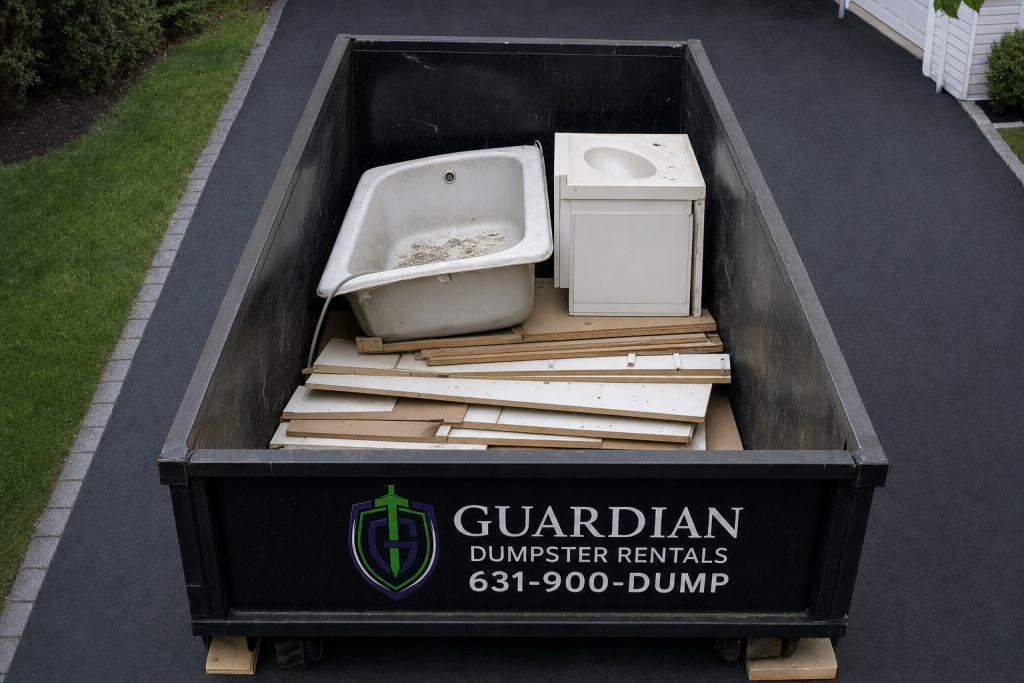
Is a 20 Yard Dumpster Rental the Right Size, or Should I Go 10 or 30?
For a combined kitchen and bathroom demo, a 20 yard dumpster rental is the right size for most homeowners. A 10 yard bin suits a single small room, while a 30 yard container only makes sense for a whole-floor gut or a multi-room remodel with heavy cabinetry, flooring, and fixtures throughout the house.
Sizing a dumpster is really about matching the container to the volume of debris, not guessing. Going too small means paying for a second haul; going too big means paying for empty air. Here is how the three common sizes compare.
Container Sizes at a Glance
| Size | Typical Dimensions | Holds Roughly | Best-Fit Projects |
|---|---|---|---|
| 10 Yard | About 12 ft long x 8 ft wide x 3.5 ft high | 3–4 pickup truck loads | Single bathroom demo, small kitchen cabinet tear-out, garage or closet cleanout |
| 20 Yard | About 22 ft long x 8 ft wide x 4.5 ft high | 6–8 pickup truck loads | Combined kitchen and bath demo, full kitchen gut with flooring, large cleanouts |
| 30 Yard | About 22 ft long x 8 ft wide x 6 ft high | 9–12 pickup truck loads | Whole-floor gut, multi-room remodel, large estate cleanout plus demo debris |
When a 10 Yard Is Enough
If you are only demoing one room — say, a hall bathroom with a tub, vanity, and toilet — a 10 yard container usually handles it with room to spare. A compact option like a 10 yard dumpster rental in Lindenhurst also fits tighter driveways, which matters on narrower residential lots.
When to Step Up to a 30 Yard
Choose a 30 yard container when the project goes beyond two rooms: gutting an entire floor, removing flooring and drywall throughout the house, or combining a remodel with a major household cleanout. The extra two feet of wall height holds bulky items like cabinets and tub surrounds that eat up volume fast.
Why the 20 Yard Hits the Sweet Spot
- It holds the full debris load from a typical kitchen plus one bathroom in a single haul.
- The 4.5-foot walls make it easy to load heavy fixtures over the side or walk debris in through the rear door.
- It still fits in most residential driveways, unlike larger commercial containers.
Whichever size you choose, keep weight limits in mind and separate out materials your hauler cannot accept — the EPA’s guidance on construction and demolition materials is a useful reference for what can be reused or recycled instead of landfilled. And if your project turns out smaller than expected, downsizing to something like a 10 yard dumpster rental near Islip can save money without slowing down your demo.
Roughly 6-8 pickup truck loads of debris
Typical 20 yard capacity
7-14 days — enough for sequential demos
Common rental period
Roughly 22 ft long x 8 ft wide — fits most NY driveways
Footprint needed
Brick, concrete, dirt, and yard waste
Not allowed in the bin
20 Yard Dumpster Rental vs. Other Sizes for Kitchen & Bath Demo
| Dumpster Size | Approx. Capacity | Best For | Fits Kitchen + Bath Demo? |
|---|---|---|---|
| 10 Yard | About 3-4 pickup truck loads | Single small bathroom demo or minor cleanout | Usually too small for both projects |
| 20 Yard | About 6-8 pickup truck loads | Combined kitchen and bathroom demo, mid-size remodels | Yes — the sweet spot for back-to-back demos |
| 30 Yard | About 9-12 pickup truck loads | Whole-home remodels or multi-room gut jobs | Yes, but often more capacity than needed |
Illustrative Example: One Bin, Two Rooms, Zero Extra Deliveries
Illustrative example
Consider a hypothetical homeowner in upstate NY planning a kitchen remodel followed immediately by a hall bathroom gut. Instead of ordering two separate containers, they scheduled a single 20 yard dumpster rental and demoed the kitchen first — breaking down cabinets flat and stacking countertops along the walls of the bin. With roughly a third of the container still open, they moved straight into the bathroom demo, loading the vanity, tub surround, and drywall the same week. By keeping brick, concrete, dirt, and yard waste out of the bin and loading strategically, they finished both demos within one rental period and paid for just one delivery and pickup. This composite scenario reflects how many back-to-back remodels play out when the timeline is planned around a single container.
Frequently asked questions
Will a 20 yard dumpster rental really hold debris from both a kitchen and a bathroom demo?
In most cases, yes. A typical kitchen demo (cabinets, countertops, drywall, old appliances if accepted) plus a standard bathroom tear-out (vanity, tub or shower surround, tile backer, fixtures) usually fits in a 20 yard container if you load it efficiently. The key is breaking down cabinets flat, nesting smaller debris inside larger pieces, and avoiding air gaps. If either space is unusually large or you’re also removing flooring throughout, a 30 yard may be safer.
How long can I keep a dumpster if I’m doing two remodels back to back?
Most rental companies include a standard rental period, often around a week to two weeks, with the option to extend for a daily fee. Before booking, tell the company you’re spanning two projects and ask about extension pricing upfront. Extending one 20 yard rental is almost always cheaper than paying for a second delivery, pickup, and base rental. Get the extension rate in writing so there are no surprises.
Should I demo the kitchen or the bathroom first to save dumpster space?
Start with the bathroom. Bathroom debris tends to be bulkier and oddly shaped—tubs, vanities, shower surrounds—so loading it first lets you place those pieces flat on the bottom. Kitchen debris like broken-down cabinets, drywall, and countertop sections can then be layered on top and packed into gaps. Doing it in reverse often leaves awkward voids under bulky bathroom items that waste capacity.
What happens if I fill the dumpster before the second project is done?
You have two options: pay for a swap-out, where the company hauls the full container and drops an empty one, or schedule final pickup and finish the remaining debris another way. A swap typically costs less than a brand-new rental since you’re already a customer, but it’s still an extra haul fee. Avoid this by loading strategically from day one—flatten everything, fill voids, and keep heavy items low and evenly distributed.
What can’t I throw in the dumpster during a kitchen and bath demo?
Keep out brick, concrete, dirt, and yard waste—these are not allowed in the container. Also excluded in most areas: paint, solvents, refrigerants, batteries, and other hazardous materials. Appliances with Freon usually need special handling. Ask your provider for their specific prohibited items list before you start demo so you can plan separate disposal for anything on it and avoid contamination fees at pickup.
Is it cheaper to rent one 20 yard dumpster twice or one 30 yard dumpster once?
One 30 yard rental is almost always cheaper than two separate 20 yard rentals, because you pay for delivery, pickup, and the base rental only once. However, if your combined debris genuinely fits in a single 20 yard container, that’s the cheapest option of all. Estimate your debris honestly: measure cabinet runs, count fixtures, and ask the rental company for guidance. Upsizing to a 30 yard costs far less than ordering a second container mid-project.
Can I overfill the dumpster if I’m running out of room near the end?
No—debris must stay at or below the top rim of the container. Haulers can’t legally transport overloaded dumpsters, so the driver may refuse pickup or charge you to offload the excess, delaying your project. If you’re getting close to the fill line, stop and reassess: break pieces down smaller, redistribute the load, or hold lightweight items back for regular trash. Planning your load order from the start prevents this problem.
Do I need a permit to keep a dumpster in my driveway for several weeks in NY?
If the dumpster sits entirely on your private driveway, you typically don’t need a permit, even for an extended rental. If it must go on the street or sidewalk, most New York municipalities require a permit, and longer placements may mean higher fees or renewals. Check with your local building or transportation department before delivery, and confirm whether your rental company handles permitting or expects you to.
What’s the biggest mistake people make when sharing one dumpster between two projects?
Loading carelessly during the first demo. Homeowners toss whole cabinets and bulky debris in loosely, then discover the container looks full when it’s really half air. Break down every cabinet, remove doors and shelves, stack drywall flat, and fill hollow items like vanities with smaller debris. The second-biggest mistake is not confirming extension fees before booking—some companies charge steep daily rates that erode the savings of using one bin.
How much weight can I put in a 20 yard dumpster before hitting overage fees?
Weight limits vary by company and region, so confirm your included tonnage before booking—exceeding it triggers per-ton overage charges at pickup. Kitchen and bath debris like cabinetry, drywall, and fixtures is usually manageable, but tile and countertop material adds up fast. Remember that brick, concrete, and dirt aren’t allowed in the container anyway, which helps keep weight down. If your demo includes a lot of tile, ask the company whether your estimated load fits the limit.
10 yard dumpster rental help near you
Related local pages
- Dumpster Rental Deer Park New York
- Dumpster Rental Lindenhurst New York
- Dumpster Rental Dix Hills New York
Ready to tackle both projects with one container? Call us today to reserve your 20 yard dumpster and lock in a single delivery fee before the fall rush fills our NY schedule. Get in touch.
Last updated: October 7, 2026
Recent Comments