
Prohibited Dumpster Items in NY: Remodel Debris Don’ts
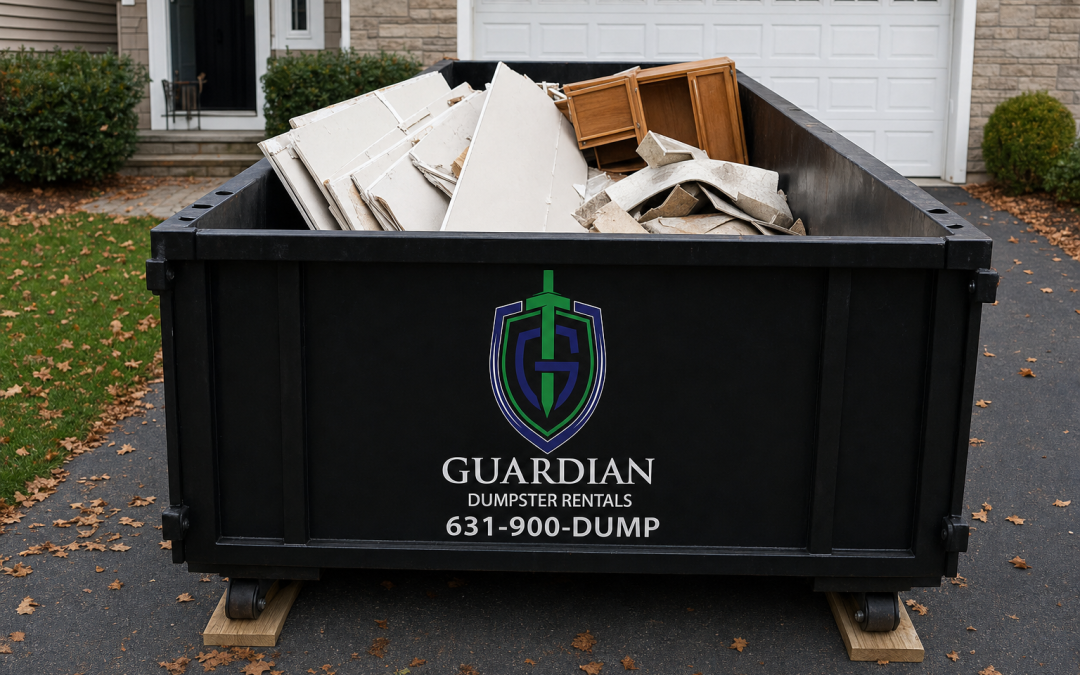
The Quick Answer: Prohibited Dumpster Items in NY — Brick, Concrete, Dirt, and Yard Waste Stay Out
The most common prohibited dumpster items in NY residential rentals are brick, concrete, dirt, and yard waste — none of these four materials can go in your container. Residential dumpsters are designed for remodel debris like drywall, flooring, cabinets, and fixtures, not heavy masonry or organic material that requires separate disposal.
Key takeaways
- Brick, concrete, dirt, and yard waste are prohibited dumpster items in most NY residential roll-off rentals, so plan separate disposal for them before demo day.
- Heavy masonry and soil can exceed road weight limits and damage trucks, which is why haulers ban them from standard 10, 20, and 30 yard dumpsters.
- Sort your remodel debris into allowed materials (drywall, wood, cabinets, flooring) and prohibited materials (brick, concrete, dirt, yard waste) before the dumpster arrives.
- Choosing the right size — 10 yard for small jobs, 20 yard for mid-size remodels, 30 yard for large projects — keeps your project on budget without overloading.
- Ask your hauler about alternative options for masonry, soil, and green waste so prohibited items never delay your pickup or trigger extra fees.
If you remember nothing else from this article, remember those four words: brick, concrete, dirt, and yard waste. They stay out of the dumpster, period. Everything else about planning a smooth remodel cleanup flows from that rule. When homeowners load a container with the right materials, pickup happens on schedule, the invoice matches the quote, and the project keeps moving. When banned materials end up in the box, you can face extra fees, a refused pickup, or the awkward job of unloading debris you already tossed.
What a Residential Dumpster Is Actually Built For
A residential roll-off — whether it’s a 10 yard, 20 yard, or 30 yard container — is engineered around the typical weight and volume of home renovation debris. A residential dumpster rental in Amityville, for example, is ideal for the kinds of materials that come out of a kitchen, bathroom, or basement remodel:
- Drywall and plaster from wall demo
- Old flooring — carpet, laminate, tile backing, and underlayment
- Cabinets, countertops, and vanities
- Fixtures like sinks, tubs, and light fixtures
- Trim, doors, framing lumber, and general construction scrap
The Four Materials That Stay Out
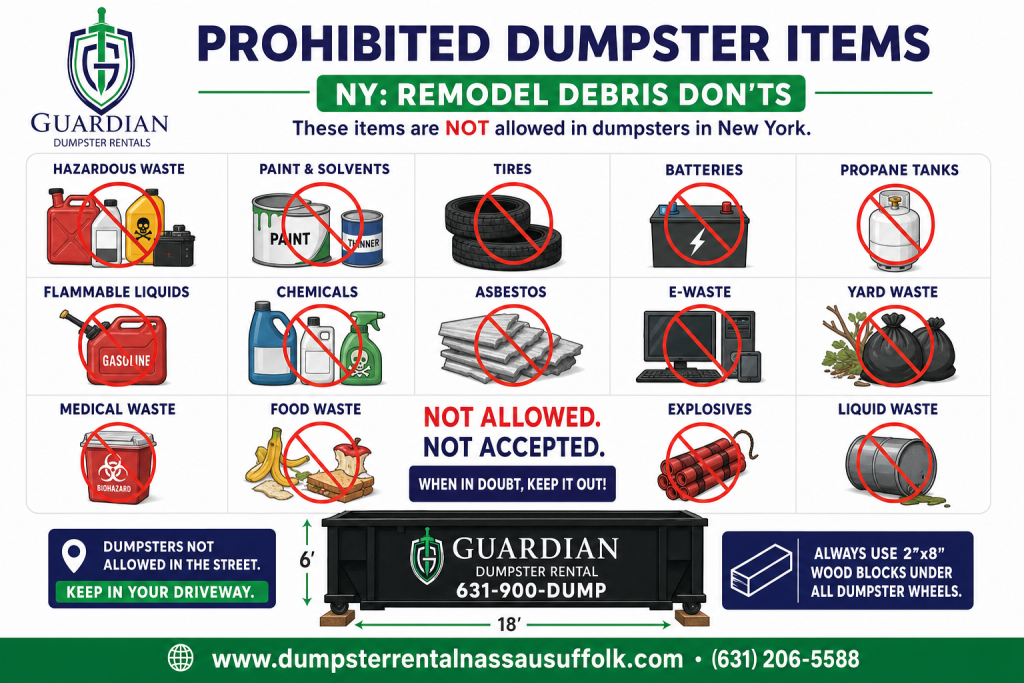
These items are prohibited in residential dumpsters and need their own disposal plan:
- Brick — from chimneys, walkways, or facade work
- Concrete — broken slabs, footings, pavers, and block
- Dirt — excavated soil, fill, and sod
- Yard waste — leaves, branches, brush, and grass clippings
Brick, concrete, and dirt are extremely dense, so even a partial load can exceed what a truck can legally haul. Yard waste, meanwhile, is handled through separate organic-material channels in most New York communities rather than mixed into construction debris.
Why This Matters Most During Fall Remodel Season
Fall is peak season for interior remodels on Long Island — and it’s also when leaves and storm debris pile up. That makes it tempting to toss a few bags of leaves or some old pavers on top of your demo debris. Resist the urge. Mixing yard waste or masonry into a load of remodel debris is the fastest way to turn a simple project into a headache. If you’re booking a dumpster rental in Bay Shore New York this season, plan separate disposal for anything on the banned list before the container arrives.
The rest of this guide covers exactly what’s prohibited, why these rules exist, where banned materials should go instead, and how to pick the right 10, 20, or 30 yard container for your remodel.
What Are the Prohibited Dumpster Items in NY Rentals?
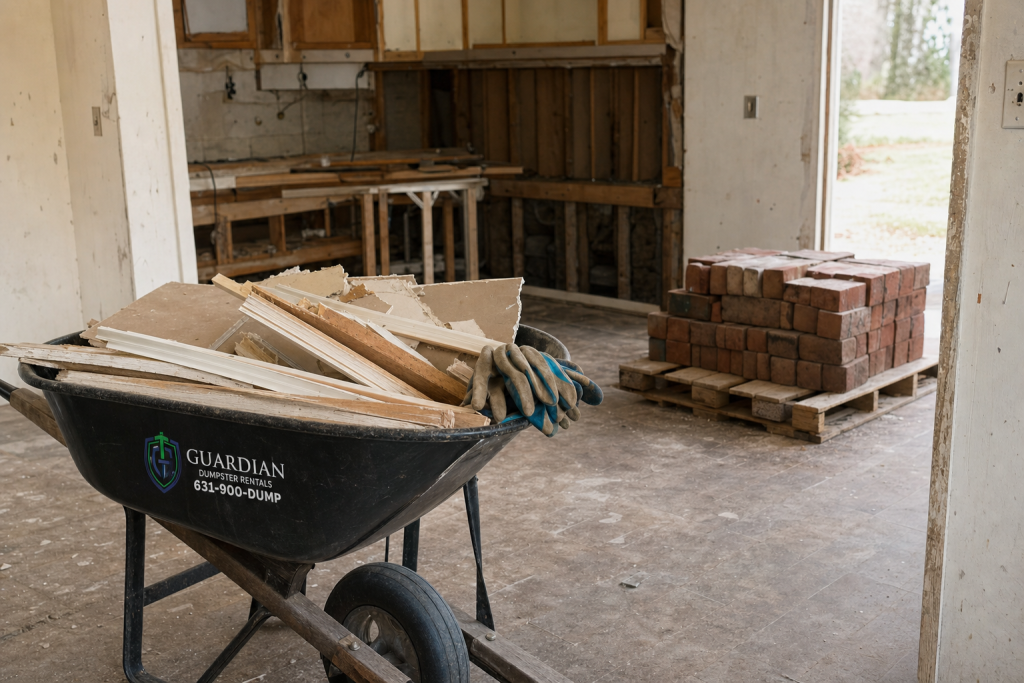
The prohibited dumpster items in most NY residential rentals are brick, concrete, dirt, and yard waste. These heavy and organic materials cannot go in a standard remodel dumpster. General construction debris — drywall, lumber, cabinets, flooring, tile backer, fixtures, and household junk — is allowed and makes up the bulk of a typical renovation load.
If you’re sorting through a demo pile right now, the dividing line is simpler than it looks: anything that came out of the structure of your home (walls, floors, cabinetry, trim) is generally fine, while anything that came out of the ground or is made of masonry stays out. Let’s break it down by category so you can mentally tag every item in your pile.
The Four Prohibited Categories
- Brick — whole bricks, broken bricks, pavers, and brick veneer pulled off a fireplace or facade.
- Concrete — slab pieces, footings, cinder blocks, concrete countertops, and old sidewalk sections.
- Dirt — excavated soil, fill, sand, and the clumps of earth clinging to removed shrubs or posts.
- Yard waste — leaves, branches, grass clippings, stumps, and hedge trimmings.
What IS Allowed: Real Remodel Examples
Here’s how the rules play out in the three most common home projects. A residential dumpster rental in Commack NY handles all of these allowed materials without issue:
- Kitchen remodel: Old cabinets, laminate countertops, sink, dishwasher housing, tile flooring, drywall, and trim are all fine. A concrete countertop or brick backsplash is not.
- Bathroom remodel: Vanity, tub, toilet, tile, cement board, drywall, and old plumbing fixtures can go in. If you jackhammered a concrete shower pan, that masonry stays out.
- Basement finish or cleanout: Paneling, carpet, framing lumber, shelving, old furniture, and boxed clutter are allowed. Chunks of the slab from a bathroom rough-in or trenching dirt are not.
Gray-Area Items Homeowners Ask About
Tile is a frequent point of confusion — ceramic and porcelain tile from a floor or shower is generally fine because it’s lightweight debris, not structural masonry. Potted plants, on the other hand, count as yard waste plus dirt, so set those aside. Landscape timbers are borderline; ask your hauler before tossing them in. When homeowners plan ahead with a residential dumpster rental in Babylon, confirming these edge cases up front avoids extra fees at pickup.
The simplest mental test: if the item is masonry, soil, or something that grew in your yard, it’s on the prohibited list. Everything else from a standard interior remodel almost always qualifies for the container.
Why Can’t Brick, Concrete, and Dirt Go in a Residential Dumpster?
Brick, concrete, and dirt are banned from residential dumpsters because their extreme weight can exceed truck and road limits, damage container floors and driveways, and violate landfill rules on inert fill. The restriction is driven by physics and regulations — not fine print — and ignoring it leads to overage fees or refused pickups.
It helps to understand just how heavy this material really is. A single cubic yard of concrete can weigh well over a ton, and dirt is not far behind. Fill even a quarter of a 20 yard dumpster with masonry rubble and the container may already be too heavy to lift safely, long before it looks full. Household remodel debris like drywall, cabinets, and flooring simply doesn’t compare in density.
Weight Limits Protect Trucks, Roads, and Driveways
Every roll-off truck has a maximum legal payload, and New York roads have weight limits the hauler must respect. A dumpster packed with brick or concrete can push the truck past those limits, making the load illegal to transport. The same weight concentrates on your property too — an overloaded container can crack a driveway or sink into soft ground. Providers who handle residential dumpster rental in Dix Hills structure their 10, 20, and 30 yard containers around typical household debris weights, not dense masonry.
Container Damage and Safety Risks
- Floor damage: Dropping chunks of concrete or brick into a container can dent or puncture the steel floor.
- Lifting hazards: Hoist cables and hydraulic systems are rated for specific weights; dense fill pushes them past safe limits.
- Uneven loads: Dirt and rubble shift during transport, making an overweight container even more dangerous on the road.
Landfill Rules Treat Inert Fill Differently
Transfer stations and landfills that accept mixed remodel debris often cannot accept inert materials like dirt, brick, and concrete in the same load. These materials are classified differently and are typically routed to dedicated aggregate recyclers or clean-fill facilities. If a mixed load arrives contaminated with masonry or soil, the facility can reject it or charge a much higher tipping rate — costs that get passed back to you.
Overage Fees Add Up Fast
Most rentals include a weight allowance, and anything over it is billed per ton. Because masonry and dirt are so dense, even a small amount can blow past the allowance and turn an affordable rental into an expensive one. Companies offering residential dumpster rental in Babylon list these prohibited dumpster items up front precisely so homeowners aren’t surprised at the scale house. Keeping brick, concrete, and dirt out of the container protects your budget as much as it protects the equipment.
Where Do I Take Yard Waste, Leaves, and Masonry Instead?
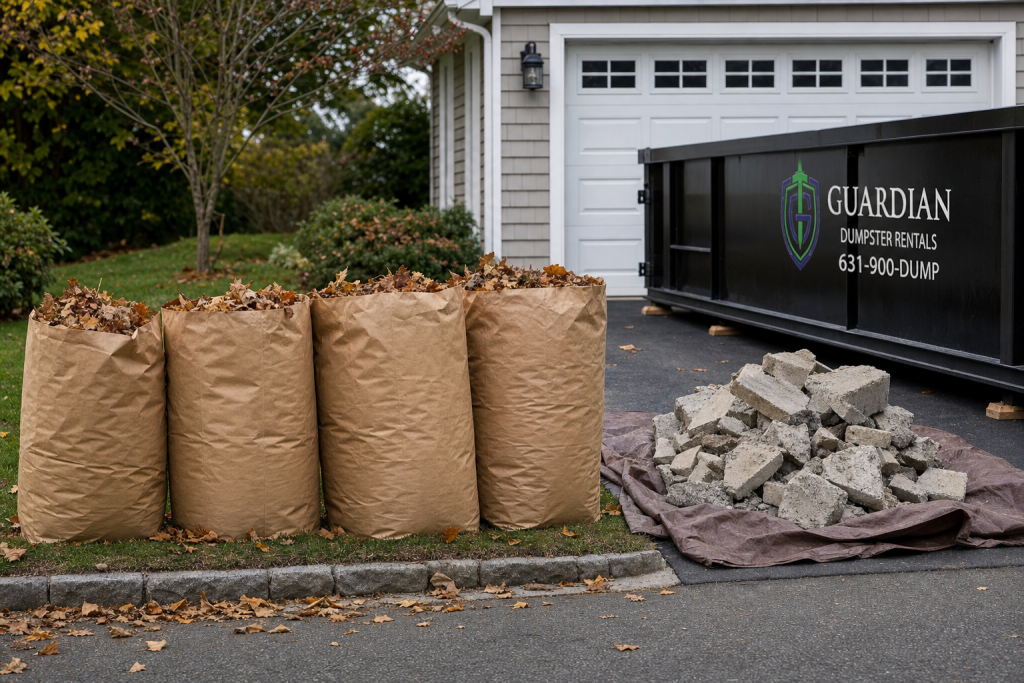
Yard waste and fall leaves should go to your town’s curbside leaf collection or a municipal compost drop-off site, while brick and concrete belong at a clean-fill or masonry recycling yard. These outlets accept the materials dumpster rentals can’t, usually at low or no cost for residents, and keep your dumpster safely within its weight allowance.
Municipal Leaf and Yard Waste Collection
Most New York towns run seasonal leaf and yard waste pickup, and fall is the busiest window for it. Towns across Long Island typically collect bagged leaves, brush, and trimmings on scheduled days through late autumn. Check your town’s sanitation or public works page for exact dates, bag requirements (many require paper lawn bags), and brush bundling rules. If you’re mid-remodel and booking a dumpster rental in Babylon, New York, it makes sense to time your exterior cleanup around these pickup dates so green waste goes to the curb instead of tempting you to toss it in the container.
Compost Drop-Off Sites
If you miss curbside collection or generate more than the pickup limits allow, many towns and some counties operate compost facilities where residents can drop off leaves, grass clippings, and brush. Some sites even give back finished compost or mulch to residents. Bring proof of residency, and call ahead to confirm hours and what’s accepted — rules vary from town to town.
Clean-Fill and Masonry Recycling Yards for Brick and Concrete
Brick, concrete, block, and similar masonry are never allowed in our dumpsters, but they’re actually valuable to the right facility. Clean-fill and aggregate recycling yards crush this material into reusable base stone. To use one:
- Keep masonry separate from household debris — most yards only take “clean” loads free of trash, wood, and metal.
- Search for aggregate recyclers or concrete recycling yards near you; many accept small residential loads for a modest per-ton fee.
- For small quantities, a pickup truck or utility trailer trip is usually all you need.
- For larger masonry demos, some haulers offer dedicated clean-concrete containers as a separate service — ask before you load anything.
Why Wet Leaves Protect Your Wallet, Too
There’s a practical money reason to keep leaves out of your container beyond the rules on prohibited dumpster items: water weight. Fall leaves soak up rain like a sponge, and a few dozen soggy bags can add hundreds of pounds that count against your included tonnage. Homeowners arranging a dumpster rental in Lindenhurst, New York for a fall remodel save real money by sending leaves to town collection and reserving the dumpster’s weight allowance for the drywall, flooring, and cabinetry the project actually produces. Keeping banned materials out isn’t just about compliance — it’s the cheapest way to finish your project without overage fees.
What Size Dumpster Do I Need for a Remodeling Project?
For most New York remodels, the answer comes down to three sizes: a 10 yard dumpster handles a bathroom gut, a 20 yard dumpster suits a kitchen tear-out or whole-home flooring removal, and a 30 yard dumpster covers a full-floor renovation. Pick based on the rooms involved, not just the bags of debris you expect.
Remodel debris is bulkier than people expect. Cabinets don’t break down flat, drywall stacks awkwardly, and old vanities and tubs eat space fast. It almost always costs less to size up once than to pay for a second haul because the first container filled early. The table below matches each size to the projects it handles best.
Container Sizes Table
| Size | Typical Dimensions | Best For | Load Examples |
|---|---|---|---|
| 10 Yard | Approx. 12 ft L x 8 ft W x 3.5 ft H | Bathroom gut, small closet or laundry room remodel | Old tub, vanity, toilet, tile backer board, drywall scraps, trim |
| 20 Yard | Approx. 22 ft L x 8 ft W x 4.5 ft H | Kitchen remodel, flooring tear-out across several rooms | Cabinets, countertops, old appliances (check local rules), carpet, underlayment, laminate |
| 30 Yard | Approx. 22 ft L x 8 ft W x 6 ft H | Whole-floor renovation, multi-room demo | Drywall and framing lumber, doors, cabinetry, flooring, fixtures from several rooms at once |
Matching the Size to Your Project
- 10 yard: Fits in a standard driveway and is the easiest to place on tight Long Island lots. If you’re gutting a single bathroom, a 10 yard dumpster rental in West Islip or a similar local option is usually all you need.
- 20 yard: The workhorse for kitchen remodels. Cabinet runs, countertops, and old flooring from multiple rooms fill a 10 yard container surprisingly fast, so the extra capacity prevents overflow.
- 30 yard: Choose this when demo spans an entire floor — gutting a kitchen plus a bath, or stripping every room back to the studs. The taller walls swallow bulky items like doors and full cabinet boxes.
One more sizing tip: think about weight, not just volume. Even without the prohibited dumpster items like masonry in the mix, dense loads of tile and plaster can hit weight limits before the container looks full. If your project leans heavy, mention it when you book a roll off dumpster rental in Islip or the surrounding area so the hauler can recommend the right fit.
When in doubt between two sizes, go bigger. The price difference between a 20 and 30 yard container is far smaller than the cost of a second delivery.
How Do I Plan My Demo Debris Before the Dumpster Arrives?
Plan your demo debris by walking the project, listing every material you’ll remove, and pulling banned items like brick, concrete, dirt, and yard waste out of the loading plan from day one. Stage those in separate piles for proper offsite handling, choose a 10, 20, or 30 yard container to match the remaining debris, and schedule delivery around fall weather.
A little prep work before the truck shows up saves you from overweight fees, rejected loads, and a half-full dumpster blocking your driveway longer than it needs to. Here’s a simple walkthrough homeowners can follow.
Step 1: Inventory Everything Coming Out
Walk each room or outdoor area and write down what’s being demolished: drywall, cabinets, flooring, trim, fixtures, roofing, siding. The U.S. EPA’s guidance on construction and demolition materials is a helpful reference for identifying what you’ll actually generate during a remodel.
Step 2: Separate Prohibited Dumpster Items Early
Before anything hits the container, flag the prohibited dumpster items on your list. Keep these completely out of the loading workflow:
- Brick and block — stage on pallets or a tarp away from the work zone
- Concrete — pile it separately for masonry recycling
- Dirt and soil — keep it covered so rain doesn’t turn it to mud
- Yard waste — bag leaves and brush per your town’s collection rules, following New York State DEC recycling and composting guidelines
Marking a “no-go” zone with cones or tape keeps helpers from tossing the wrong material into the bin mid-project.
Step 3: Match the Container to What’s Left
Once banned materials are out of the equation, size the dumpster to your remaining debris. A single bathroom or small kitchen gut typically fits a 10 yard container — a 10 yard dumpster rental in West Babylon is a common pick for that scale. Whole-room renovations usually call for a 20 yard, while multi-room remodels or roofing-plus-interior jobs justify a 30 yard.
Step 4: Time Delivery Around Fall Weather
Autumn on Long Island brings wet leaves, early frosts, and the occasional surprise snowfall. Schedule delivery so the container arrives right as demo begins — not a week early — and plan to load and haul before heavy weather sets in. A tarp over the open top keeps rainwater and blown leaves from adding weight you’ll pay for. If you’re coordinating a home project nearby, a residential dumpster rental in Amityville can be timed to your contractor’s demo schedule so the bin never sits idle under the elements.
With materials inventoried, banned items staged separately, and the right size on order, loading day becomes fast, clean, and fee-free.
Brick, concrete, dirt, and yard waste — never in the dumpster
Prohibited materials
10, 20, and 30 yard roll-off containers
Available sizes
Commonly 7–14 days, depending on the hauler
Typical rental period
Keep debris level with the top rail — no overfilling
Fill rule of thumb
Prohibited Dumpster Items vs. Allowed Remodel Debris by Container Size
| Dumpster Size | Typical Remodel Use | Allowed Debris | Prohibited Items |
|---|---|---|---|
| 10 Yard | Bathroom remodel or small cleanout | Drywall, tile backer, fixtures, trim | Brick, concrete, dirt, yard waste |
| 20 Yard | Kitchen remodel or flooring tear-out | Cabinets, flooring, lumber, drywall | Brick, concrete, dirt, yard waste |
| 30 Yard | Whole-home remodel or large demo | Framing lumber, drywall, doors, furniture | Brick, concrete, dirt, yard waste |
Hypothetical Example: Planning Around Prohibited Debris
Illustrative example
Consider a homeowner in upstate NY planning a kitchen and patio remodel in the same month. In this illustrative scenario, they initially assumed their 20 yard dumpster could take the old paver bricks and excavated dirt along with the kitchen debris. After reviewing the hauler's prohibited items list, they arranged separate disposal for the brick, concrete, dirt, and yard waste, and reserved the 20 yard container strictly for cabinets, drywall, and flooring. The result in this composite example: no rejected pickup, no overweight issues, and a demo schedule that stayed on track.
Frequently asked questions
What are the most common prohibited dumpster items during a home remodel?
For residential remodel dumpsters in NY, the big four prohibited dumpster items are brick, concrete, dirt, and yard waste. These heavy, dense materials can exceed truck weight limits and are handled through separate disposal streams. Other typical no-gos include hazardous materials like paint, solvents, batteries, tires, and appliances containing refrigerant. Always confirm your rental company's specific list before loading, since policies vary by provider and municipality.
Why can't I put concrete or brick in a regular residential dumpster?
Concrete and brick are extremely heavy. Even a small amount can push a 10, 20, or 30 yard dumpster past legal road weight limits, making it unsafe or illegal for the truck to haul. Heavy debris can also damage the container. Because these materials are processed at different facilities than household remodel debris, most companies prohibit them entirely in standard residential dumpsters rather than risk overweight loads.
What happens if I accidentally put dirt or yard waste in my dumpster?
If a driver spots prohibited material at pickup, they may refuse the haul until you remove it, leaving the dumpster on your property longer. If it's discovered at the disposal facility, you'll typically face extra fees, sorting charges, or a contaminated-load penalty on top of your rental cost. If you catch the mistake yourself before pickup, remove the material right away and call your rental company to confirm the load is acceptable.
Where do I take brick, concrete, and dirt if they can't go in the dumpster?
Common options include local recycling or aggregate facilities that accept clean concrete and brick, landscape suppliers that take clean fill dirt, and municipal transfer stations with designated drop-off areas. Some haulers offer separate heavy-debris pickup services. Call ahead to confirm what each facility accepts, whether material must be clean and free of rebar or trash, and what fees apply. Your dumpster rental company can often point you to local options.
How do I plan my demo so prohibited materials don't slow the project down?
Walk the project before demo day and identify anything involving masonry, soil, or landscaping. Schedule those materials for separate disposal — a recycling facility run, a heavy-debris hauler, or municipal drop-off — before or alongside your dumpster rental. Keep two staging areas on site: one for allowed remodel debris headed to the dumpster, one for prohibited materials. This prevents mixed piles, keeps the dumpster legal, and avoids pickup delays or fees.
What size dumpster do I need for a typical remodeling project?
A 10 yard dumpster suits small jobs like a bathroom remodel or single-room flooring tear-out. A 20 yard works for kitchen remodels, roofing debris, or multi-room projects. A 30 yard fits large renovations, whole-home cleanouts, or major additions. Remember that none of these sizes can take brick, concrete, dirt, or yard waste — size your container for the allowed debris only and plan separate disposal for heavy materials.
What remodel debris IS allowed in a residential dumpster?
Most standard remodel debris is fine: drywall, lumber, trim, cabinets, countertops, flooring, carpet, tile backer board, doors, windows, insulation, and general household junk. Roofing shingles are often allowed but may have quantity limits, so confirm first. The key exclusions are brick, concrete, dirt, yard waste, and hazardous items. When in doubt about a specific material, ask your rental company before it goes in the container.
Can yard waste go in the dumpster if I'm also doing landscaping during my remodel?
No. Branches, stumps, grass clippings, leaves, and soil are prohibited in residential dumpsters even if they're part of the same project. Yard waste is typically composted or processed separately under NY waste rules. Instead, use your municipality's yard waste collection program, a local compost or green waste drop-off site, or hire a landscaping company that hauls its own debris. Keep landscaping waste in a separate pile so it never mixes with your remodel debris.
What's the biggest mistake homeowners make with remodel dumpster rentals?
Assuming everything from the demo can go in one container. Homeowners often load a few wheelbarrows of concrete or old brick 'just to top it off,' then get hit with contamination fees or a refused pickup. The second most common mistake is overfilling — debris must stay below the rim. Plan your disposal streams before demo starts, and treat brick, concrete, dirt, and yard waste as separate jobs from day one.
Does a 30 yard dumpster have the same prohibited item rules as a 10 yard?
Yes. The prohibited list doesn't change with container size. Brick, concrete, dirt, and yard waste are banned from 10, 20, and 30 yard residential dumpsters alike, because the issue is material type and weight, not container capacity. A bigger dumpster gives you more room for allowed debris like drywall, lumber, and cabinetry, but it never becomes an option for heavy masonry or soil. Those always need a separate disposal plan.
Residential Dumpster Rental help near you
- Residential Dumpster Rental Commack NY
- Residential Dumpster Rental Bay Shore NY
- Residential Dumpster Rental
Related local pages
- Dumpster Rental Greenlawn New York
- Dumpster Rental Lindenhurst New York
- Dumpster Rental West Islip New York
Planning a fall remodel? Call us to reserve the right 10, 20, or 30 yard dumpster and get straight answers on what can and can't go inside. Get in touch.
Last updated: October 7, 2026
Recent Comments